
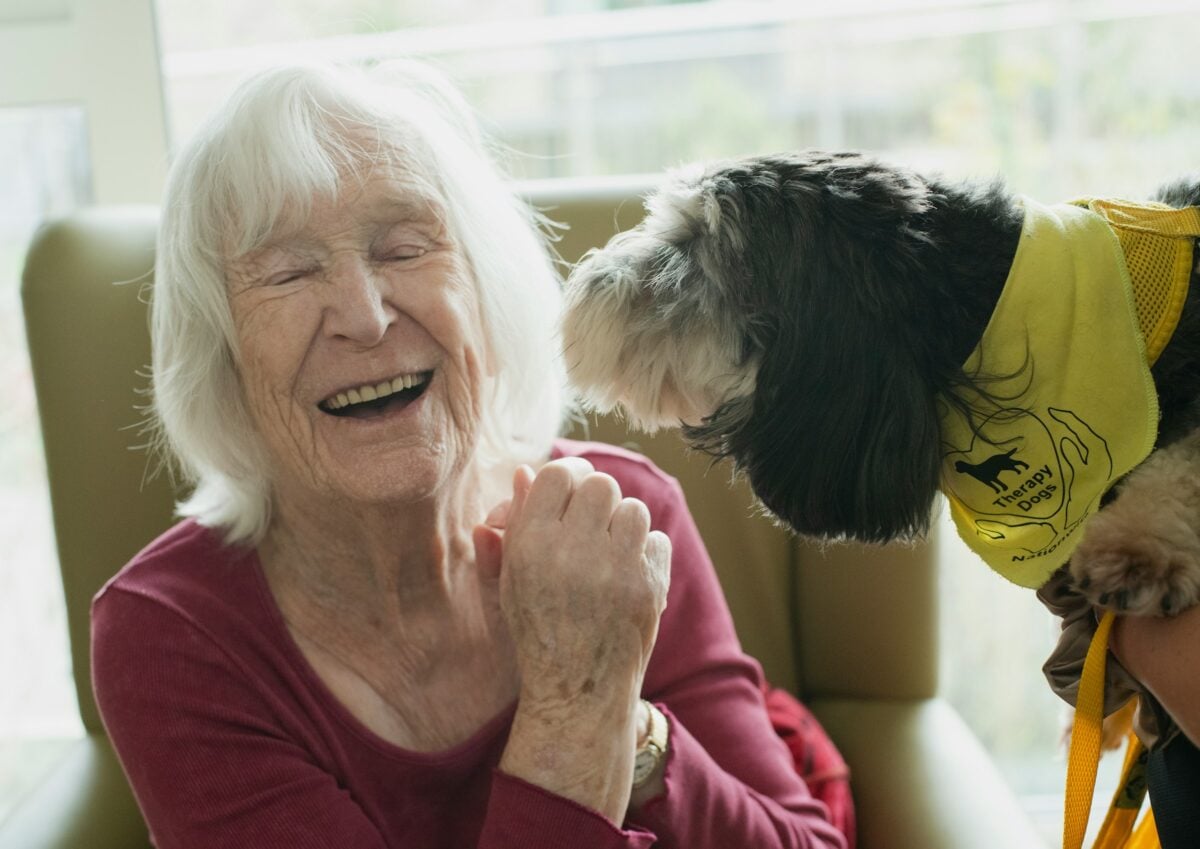
There’s a quiet moment every pet owner remembers: your dog hesitates at the stairs for the first time, or your cat suddenly chooses the lower couch instead of the sunny windowsill. You tell yourself they’re just getting older, and maybe the cooler autumn air is making them cozy and lazy. But sometimes that “just slowing down” story is the very thing that hides a real, treatable problem.
I still remember the first chilly fall when my normally unstoppable dog paused at the park gate and turned back toward home. I thought he was just mellowing with age. Months later, we learned he had arthritis that could have been helped sooner. That guilt stays with you. This season, instead of brushing changes off as “just age,” let’s walk through the subtle autumn shifts that owners misread again and again, so your older pet doesn’t quietly suffer behind a comforting myth.
1. Sleeping More Because “It’s Cozy Weather”
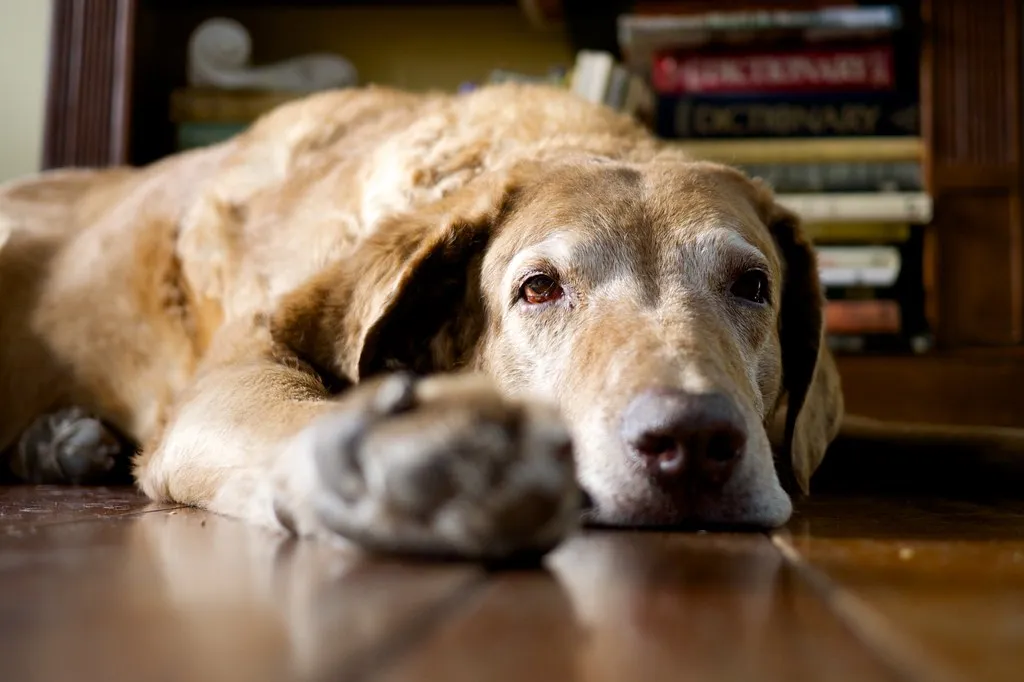
When the days get shorter and the air turns crisp, it feels perfectly normal that your older pet sleeps more. You might even find it adorable: the senior dog snoring in a patch of late-afternoon light or the elderly cat burrowed deep in blankets for hours. But a gradual increase in sleep, especially when paired with less interest in play or family life, can be an early sign of pain, cognitive decline, or illness rather than just seasonal coziness.
What often gets missed is the pattern. If your pet is still eager to get up for walks, mealtimes, and greeting visitors, that extra sleep is less worrying. If they start skipping favorite activities or seem hard to rouse, that’s not just autumn vibes, that’s a change in quality of life. Owners frequently reassure themselves that “he’s just like us, more tired in fall,” when in reality, older bodies can be fighting arthritis, organ disease, or even depression-like states that deserve a vet’s attention.
2. Stiffness on Chilly Mornings Dismissed as “Old Bones”
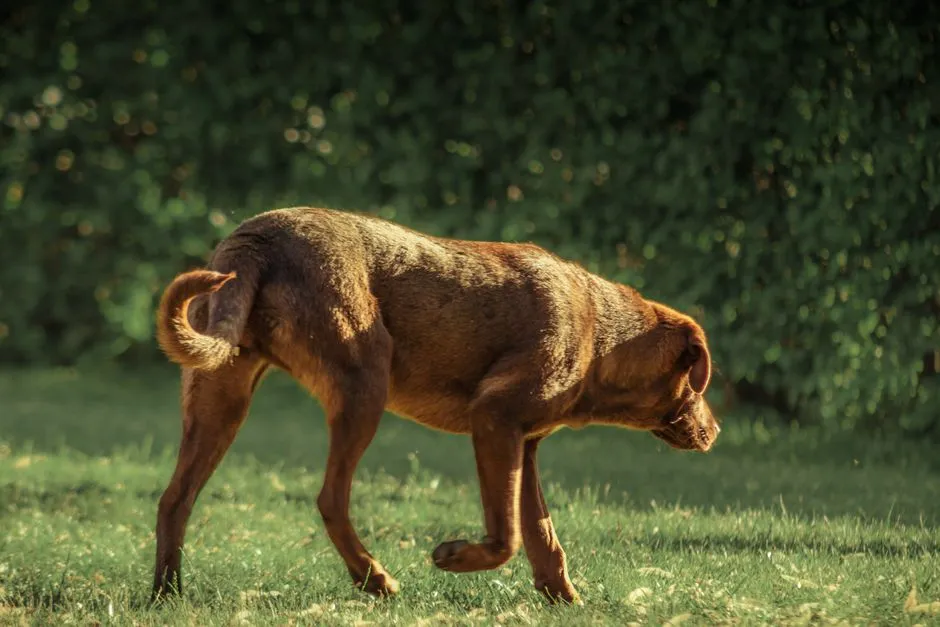
Cool, damp autumn mornings are brutal for aging joints, and pets feel it just as much as we do. That slow, careful rise from the bed, the first few limping steps after lying down, or the reluctance to jump into the car are often brushed off as “old bones” and considered inevitable. But age itself isn’t a disease; pain is. And pain is almost always more treatable than owners realize.
Modern veterinary care offers joint supplements, anti-inflammatory medications, weight management strategies, and even physical therapy that can dramatically improve mobility. The heartbreaking part is how many pets shuffle around for years because their humans believe this discomfort is simply the price of getting older. If your pet moves like an entirely different animal after they “warm up,” that stiffness is a red flag, not a cute quirk of age or autumn.
3. Slower Walks Attributed to “Enjoying the Scenery”
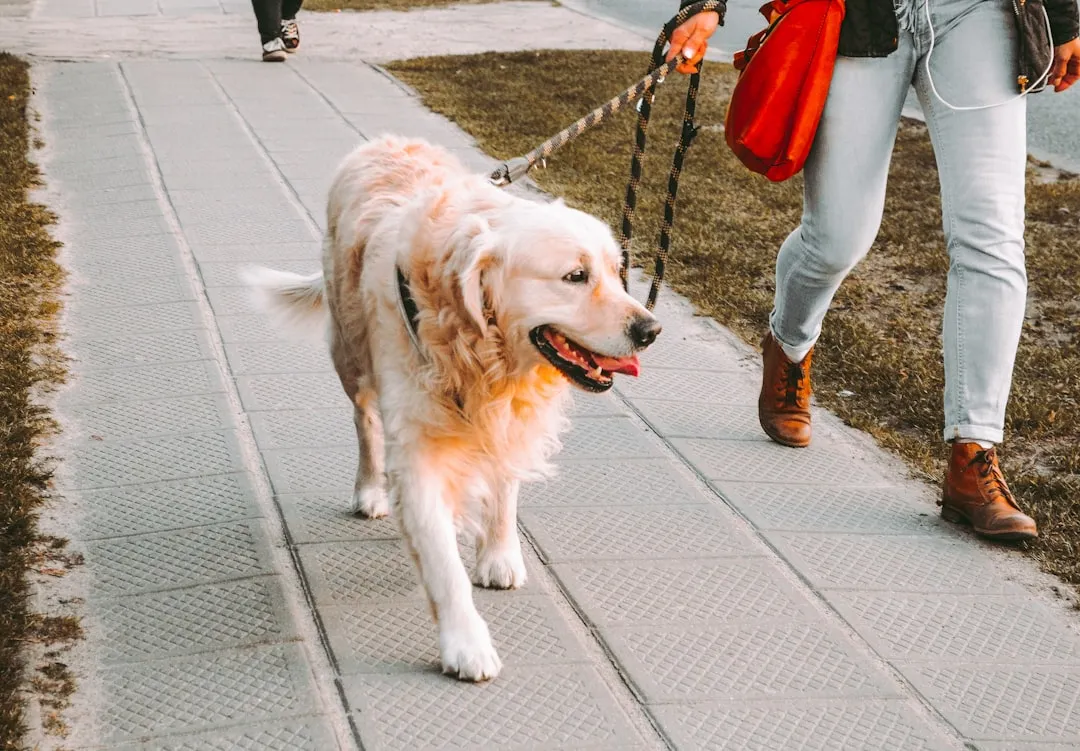
It’s easy to romanticize slower walks in fall: your dog lingers to sniff leaves, seems in no rush, and you may tell yourself they’re simply savoring the world with wise, senior grace. Sometimes that is true; older dogs often do become more observational and less frantic. But if a dog that used to power through the neighborhood suddenly starts stopping, panting more, or sitting down mid-walk, that’s not just a newfound appreciation of nature.
Cardiac issues, lung disease, anemia, pain, or even underlying cancers can present as decreased stamina on walks long before other obvious symptoms appear. Owners will often shorten walks and call it “age-appropriate exercise,” unknowingly masking a medical decline. A smart rule of thumb: if your dog is choosing slower walks but still seems bright and enthusiastic, watch and adapt. If your dog looks like they need to stop rather than want to stop, it’s time to see the vet.
4. Reduced Appetite Blamed on Cooler Weather
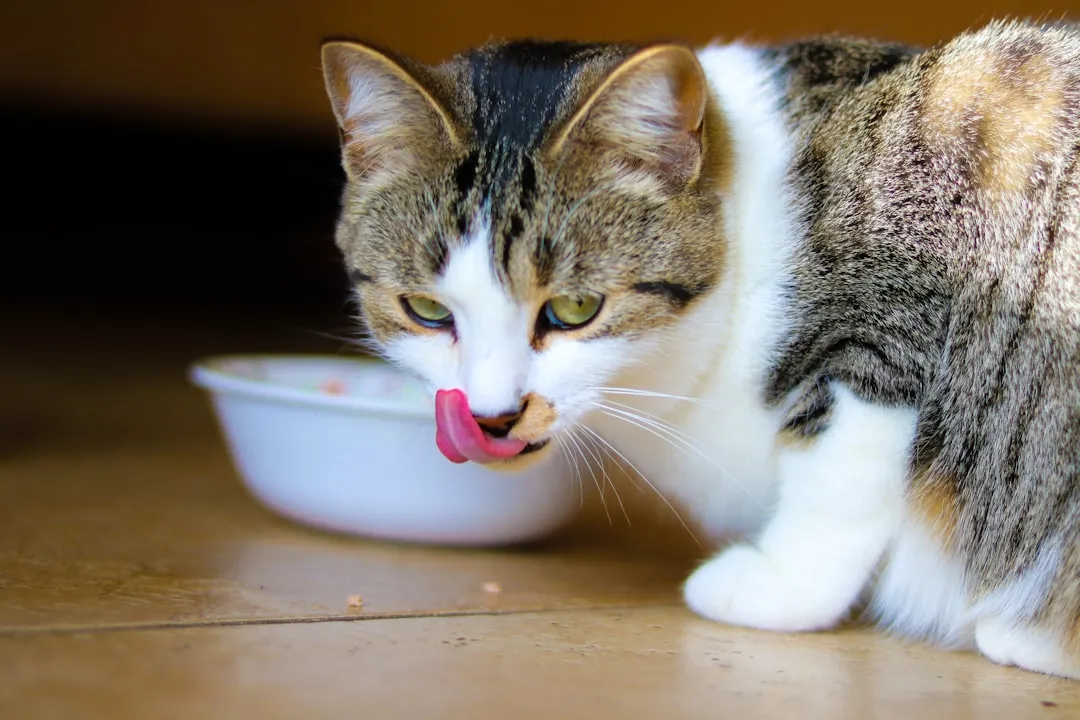
When temperatures drop, some pets do eat slightly less, especially if they’re not burning as many calories outside. But many owners over-accept a declining appetite in older pets as a normal seasonal quirk. That half-finished bowl, treats left on the floor, or the senior cat walking away mid-meal are easy to wave off as “she’s just picky lately.” The problem is that appetite is one of the clearest health barometers we have.
Dental pain, kidney disease, gastrointestinal trouble, nausea, and even early cancer can all show up as cooler-weather “picky eating” that actually has nothing to do with the season. Older cats, especially, are masters of quiet decline; mild weight loss through autumn can become severe by winter if you don’t step in early. If your pet’s appetite changes more than very slightly or you notice weight loss when you run your hands along their ribs and spine, that deserves real investigation, not a seasonal shrug.
5. Weight Gain Brushed Off as “Winter Fluff”
The flip side of appetite change is the subtle weight gain that creeps in when walks get shorter, evenings get darker sooner, and everyone gravitates to the couch. Many owners lovingly call it “winter fluff” or “holiday weight,” especially on older pets who look extra cute and round in their fall photos. But extra pounds on an aging body are not just cosmetic; they dramatically worsen arthritis, strain the heart, and increase the risk of diabetes and other metabolic issues.
Because weight change happens gradually, owners rarely notice until it’s become a serious issue. A better habit is to run your hands over your pet once a week throughout fall: can you still feel their ribs with light pressure, see a waist from above, and notice a tummy tuck from the side? If not, your pet is not just getting “cozy” for winter; they’re carrying something their joints and organs now have to fight against every single day. Adjusting food and exercise in autumn can literally add quality years to their life.
6. Avoiding Stairs Labeled as “Being Sensible”
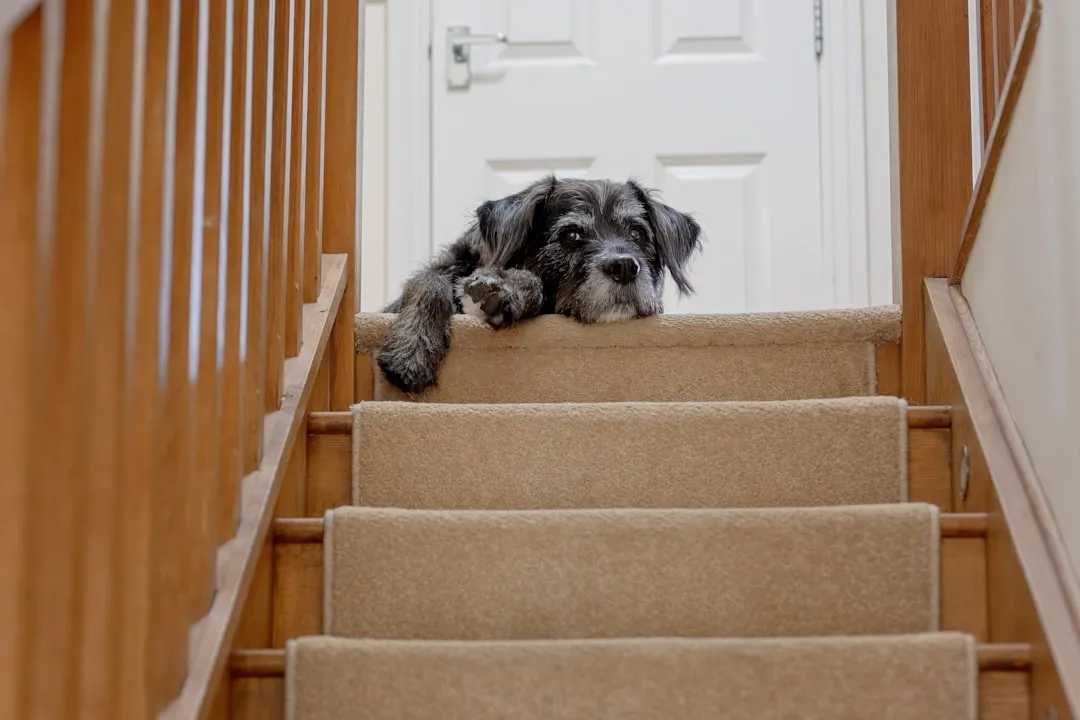
When an older dog stops racing up the stairs or a cat abandons the highest shelf they used to rule, owners often say they’ve become sensible with age. It sounds respectful and almost flattering: they’re being careful, they know their limits. But animals don’t avoid favorite spots for no reason. Pain, weakness, or neurological issues are the real drivers behind that new “sensibility.”
Stair and jumping avoidance is one of the clearest practical signs that something has shifted physically. Maybe it’s hip dysplasia flaring up in cooler weather, spinal problems, muscle loss, or heart or lung issues making them short of breath. Normal aging might mean doing those things more slowly; it doesn’t usually mean never attempting them at all. When you see your pet pause at the bottom of the stairs, look up, then quietly turn away, that is a conversation starter with your vet, not a moment to praise their caution and move on.
7. More Nighttime Restlessness Chalked Up to “Weird Fall Energy”
As the evenings get long and quiet, many owners notice their older pets pacing at night, getting up and down, or wandering the house while everyone else is asleep. It’s tempting to blame squirrels, neighborhood noises, or random autumn “spookiness.” In reality, nighttime restlessness in senior pets is often tied to pain, cognitive decline (a kind of pet dementia), anxiety, or underlying internal disease.
Those restless nights can be miserable for both pet and owner, but far too many people try to solve them with later walks or tiring play rather than medical evaluation. If your pet used to sleep through the night and now pants, whines, paces, stares at walls, or seems disoriented in the dark, that is not just a seasonal quirk. It may be an early warning that their brain or body needs help, and there are medications, supplements, and environmental changes that can make nights peaceful again.
8. Increased Clinginess Seen as “Sweet Senior Bonding”
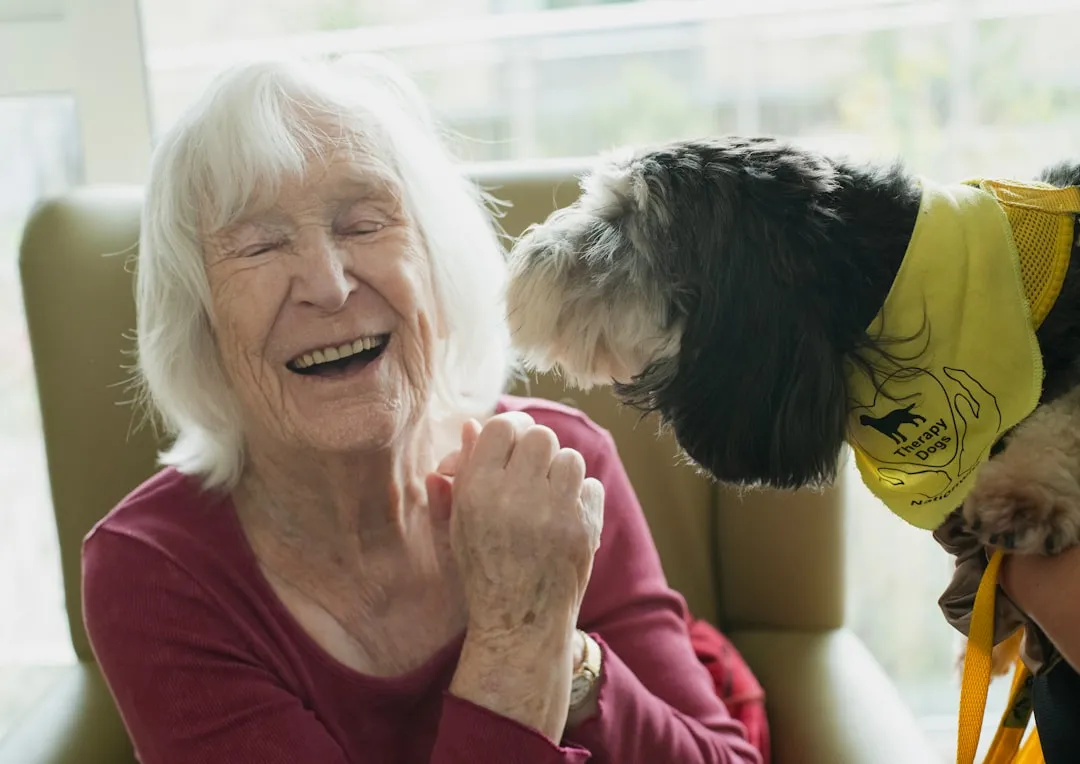
It can feel heart-melting when an older pet suddenly wants to be near you all the time as the weather cools. They follow you from room to room, insist on touching you when they sleep, and protest if you close a door between you. Many owners interpret this as a deepening bond, a sign their pet is treasuring time together. While that may be partially true, clinginess can also be a quiet symptom of anxiety, vision or hearing loss, or cognitive decline.
Autumn brings storms, wind, darker evenings, and more time indoors, all of which can heighten an already anxious brain. A pet who feels disoriented in low light or struggles to hear household sounds might latch onto you as their only reliable anchor. The loving thing is not just to bask in the affection but to ask why the behavior shifted. If the clinginess is new, intense, or accompanied by agitation when you leave, your pet may need more than extra cuddles to feel secure.
9. Withdrawing as “Wanting More Peace and Quiet”
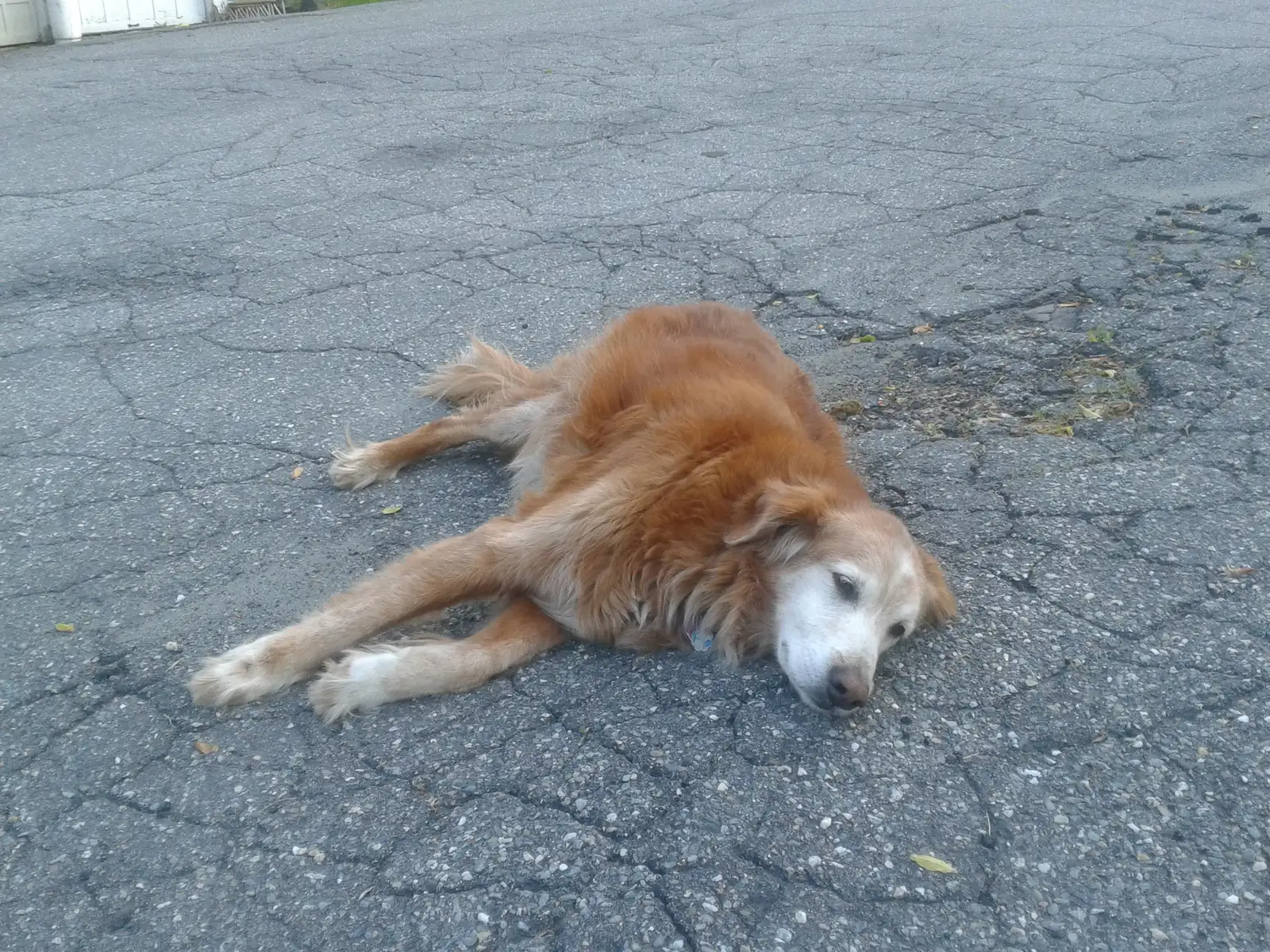
The opposite of clinginess, withdrawal often sneaks by even more easily. You may notice your older cat spending longer under the bed, or your dog choosing a back room instead of the family sofa during movie night. Many people assume older pets just crave peace and quiet, particularly in busier fall households with school routines and sports schedules returning. But sudden or progressive withdrawal is one of the clearest signs that something is off.
Pain, nausea, cognitive decline, depression-like states, and even subtle household stress can drive pets away from the life they used to enjoy. Yes, some seniors do prefer a little more space, but their core personality should still shine through. If the “velcro dog” becomes a ghost, or the social cat turns into a shadow, that’s not just maturity or autumn mood. It’s your cue to look closer and to advocate for them with someone who can check their body, not just their behavior.
10. “Grumpy” Reactions to Touch Oversimplified as Old-Age Moodiness
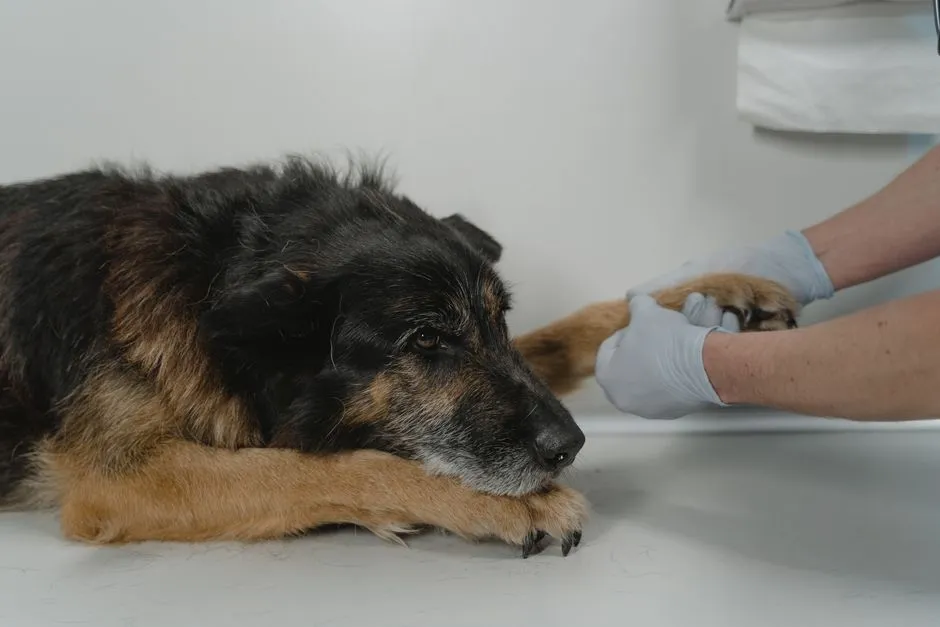
An older pet that once loved belly rubs, grooming, or being picked up might suddenly grumble, move away, or even snap. It’s so common for people to joke that their senior dog is becoming a cranky grandparent or their cat is “over it now that they’re old.” Under that joke, though, there’s often a more uncomfortable truth: they react because it hurts. Our hands are landing on sore joints, inflamed gums, or tender muscles, and they are telling us the only way they can.
Pain-related behavior changes are massively underestimated, especially in fall when stiff joints and cooler weather make everything ache a bit more. Instead of scolding or writing it off as “just who they are now,” imagine how you’d behave if someone hugged or lifted you by a hurting shoulder every day. Changes in tolerance for being handled, groomed, or lifted should always be treated as information about the body first, and personality second.
11. Occasional House Soiling Excused as “Accidents Happen”
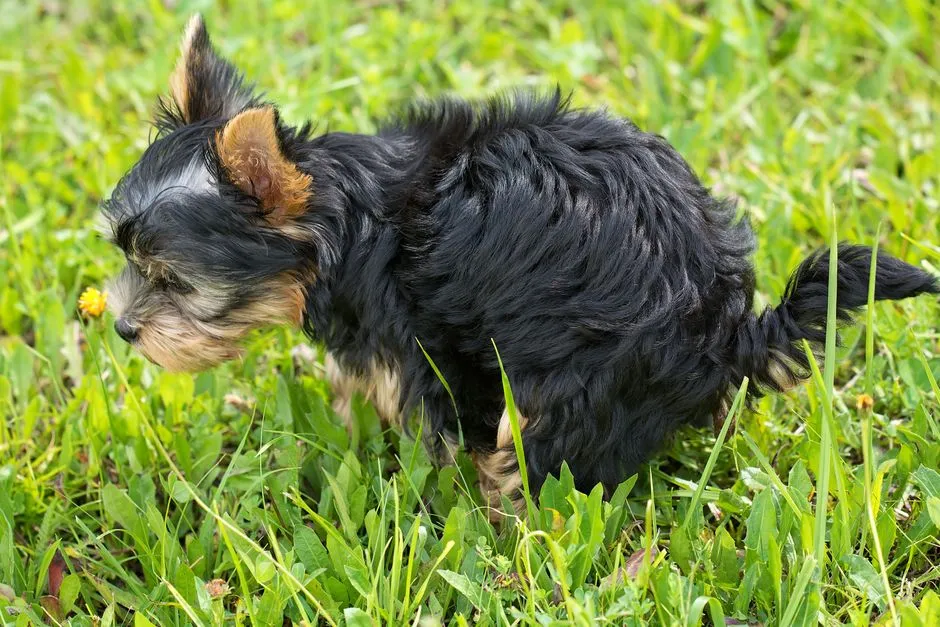
Finding a puddle or a pile indoors from an older pet can be embarrassing or frustrating, and many owners just clean it up quietly and tell themselves it’s an occasional accident. With the colder weather and more time inside, they may assume the schedule or the pet’s age is to blame. But even one or two unexplained accidents in a previously house-trained pet is worth taking seriously.
Urinary tract infections, kidney disease, diabetes, arthritis (making posturing painful), cognitive decline, or simple urgency from weakened sphincter control can all underlie autumn “oops” moments. Cats who start missing the litter box might be avoiding it because climbing in hurts or the box is in a cold, hard-to-reach place. Instead of silently tolerating accidents as inevitable, see them as a blinking warning light that your pet’s body is struggling in ways they can’t fix alone.
12. Subtle Vision and Hearing Loss Blamed on “Being Ignorant”
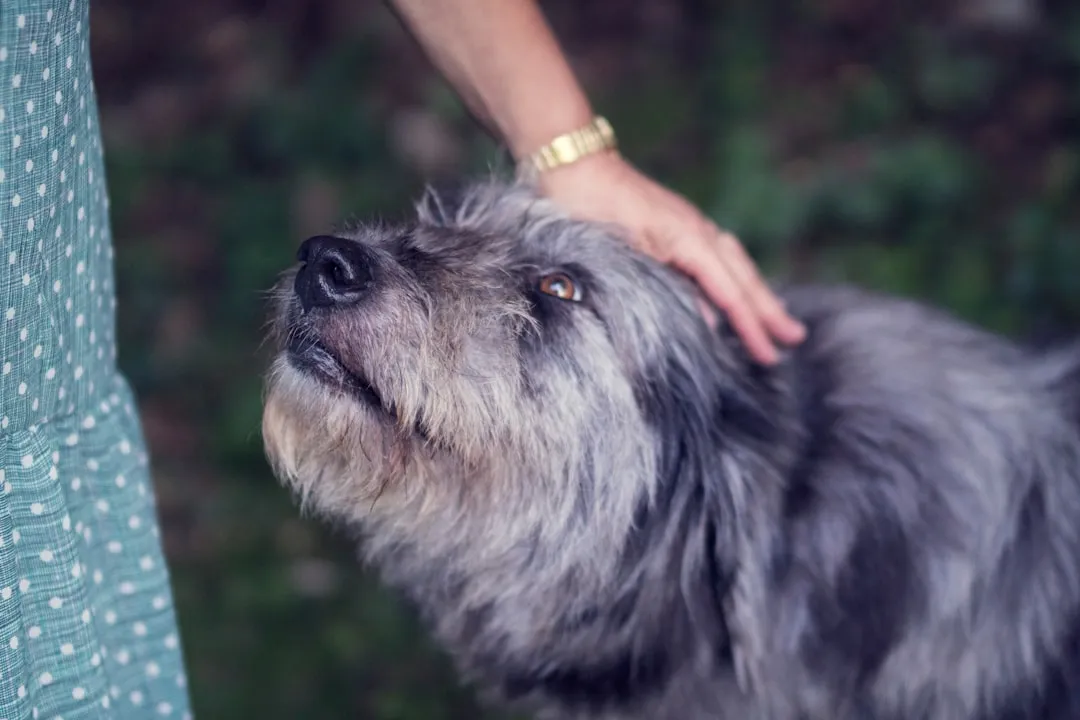
As days get darker earlier, changes in vision and hearing become more obvious, but owners often mislabel them as stubbornness or inattentiveness. Your dog might not come when called at dusk, or your cat might startle more easily at sudden movements. Rather than asking whether their senses are fading, many people conclude their pet is being difficult or ignoring them out of spite or old-age independence.
In reality, sensory decline is very common in older pets, and autumn’s low light and long shadows only reveal it more clearly. A dog who walks into furniture or hesitates at unfamiliar stairs is not clumsy; they’re coping. A cat who fails to notice you entering a room may not be aloof; they genuinely didn’t hear or see you clearly. Recognizing this early lets you adjust your home, routines, and communication style so your pet feels safer instead of confused or scolded.
13. Coughing in Cool Air Written Off as “Seasonal”
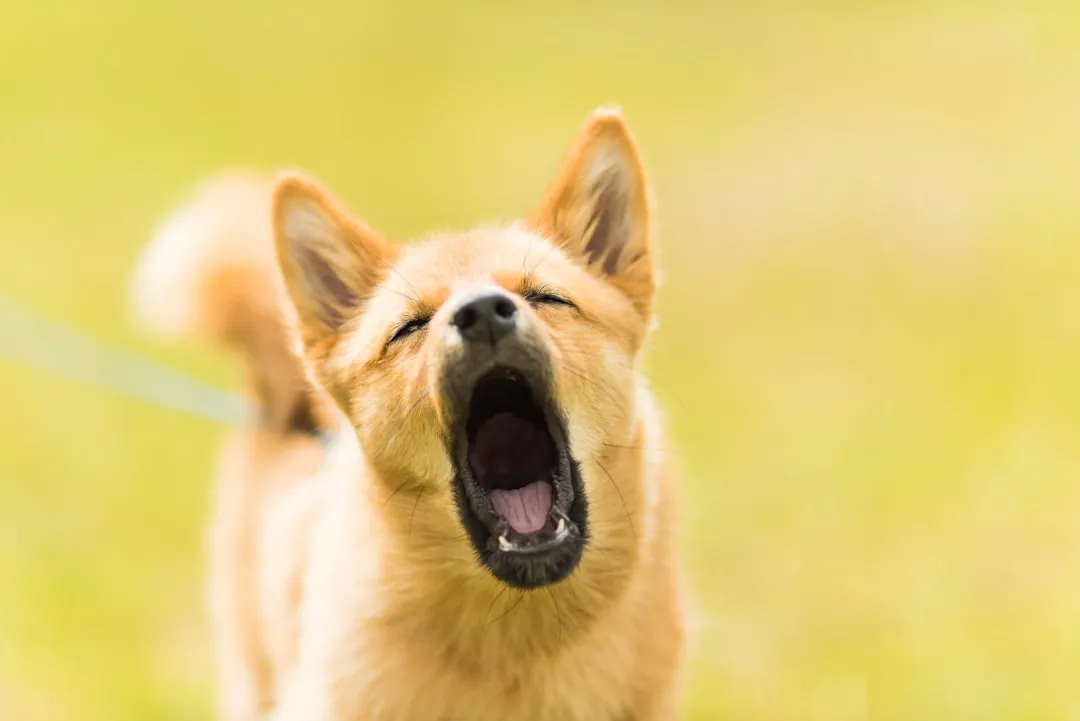
Those first crisp walks of fall sometimes come with a new sound: a soft cough after excitement, a little throat-clearing in the evening, or wheezing after chasing a ball. Because humans get seasonal coughs, we tend to project that onto our pets, too, especially when it happens in cool air. But repeated or persistent coughing, gagging, or noisy breathing is never something to ignore in an older animal.
Heart disease, collapsing trachea, lung disease, infections, and even certain cancers can show up first as “she just gets a little cough in the cold.” Waiting until winter or hoping it will pass can mean losing precious time when treatment could significantly improve comfort and longevity. If your pet coughs regularly, especially at night or after lying down, the question is not “what season is it,” but “what is your heart and respiratory system trying to tell us?”
14. “Senior Moments” Brushed Off Instead of Recognized as Cognitive Decline
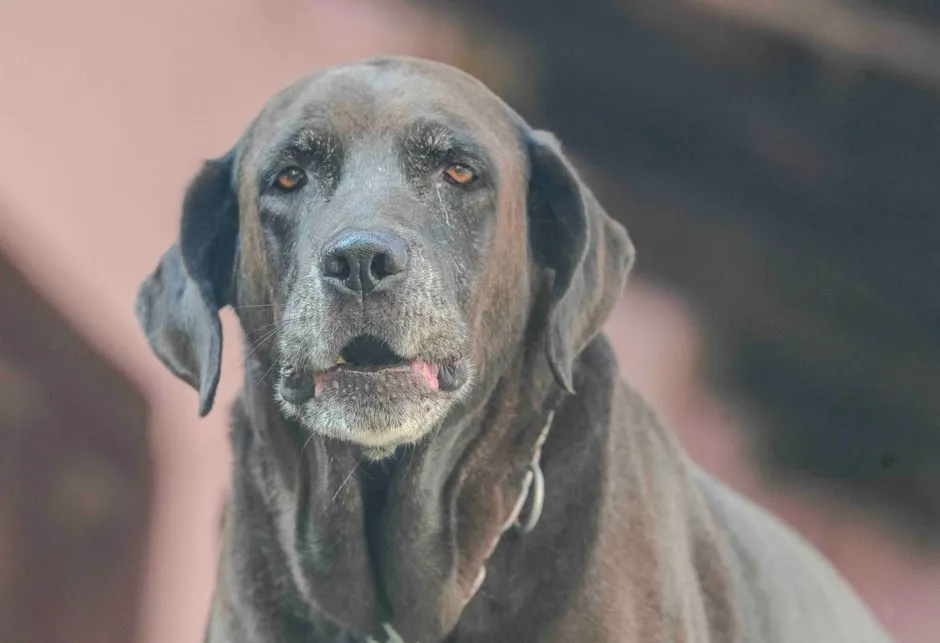
You might laugh the first time your dog walks into a room and looks puzzled, or your cat stares at a wall like they forgot what they were doing. Owners often joke about “senior moments,” shrugging off changes like getting stuck behind furniture, forgetting familiar routes, or seeming confused at the door. While occasional odd behavior is normal, repeated disorientation, altered sleep patterns, or changes in how they interact with you can signal cognitive dysfunction, a kind of dementia in pets.
Autumn often amplifies these signs because the house is darker, routines shift, and outdoor time may be reduced. Ignoring early cognitive decline means missing the chance to slow its progression with diet, supplements, medication, and environmental enrichment. Instead of making endless jokes about your pet being ditzy, it’s worth asking whether their brain might be aging in a way that needs proactive support, not just affectionate teasing.
15. Dull or Shaggier Coat Dismissed as “Winter Fur”
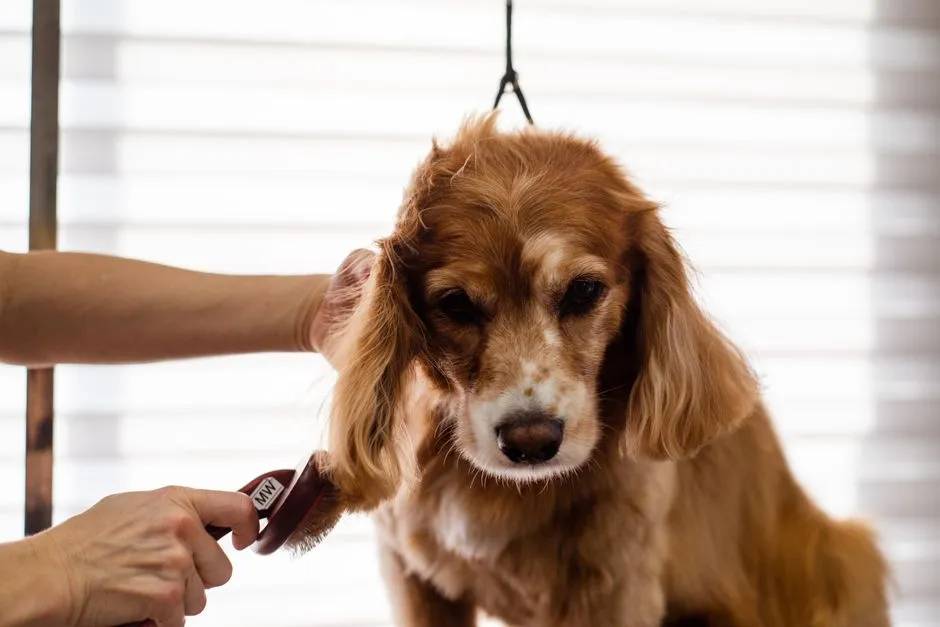
Many pets naturally grow a thicker coat for cooler weather, which is completely normal. But a coat that becomes dull, greasy, flaky, or patchy is not just “winter fur,” especially in older animals. Owners often assume they just need a bath or a new brush, when in reality, changes in coat quality can be early signs of endocrine issues like hypothyroidism, Cushing’s disease, nutritional deficits, or poor grooming due to pain or stiffness.
If your pet’s fur looks more like an unkempt coat hanging on them than a healthy seasonal change, it deserves more than cosmetic concern. Cats who stop grooming thoroughly may be too sore to twist and reach. Dogs with brittle hair may be dealing with underlying hormonal trouble. Autumn is a good time to pay close attention: when everyone else is posting glossy fall portraits, what is your pet’s coat honestly telling you about their internal health?
16. Bad Breath and Drooling Assumed to Be Harmless Age Things
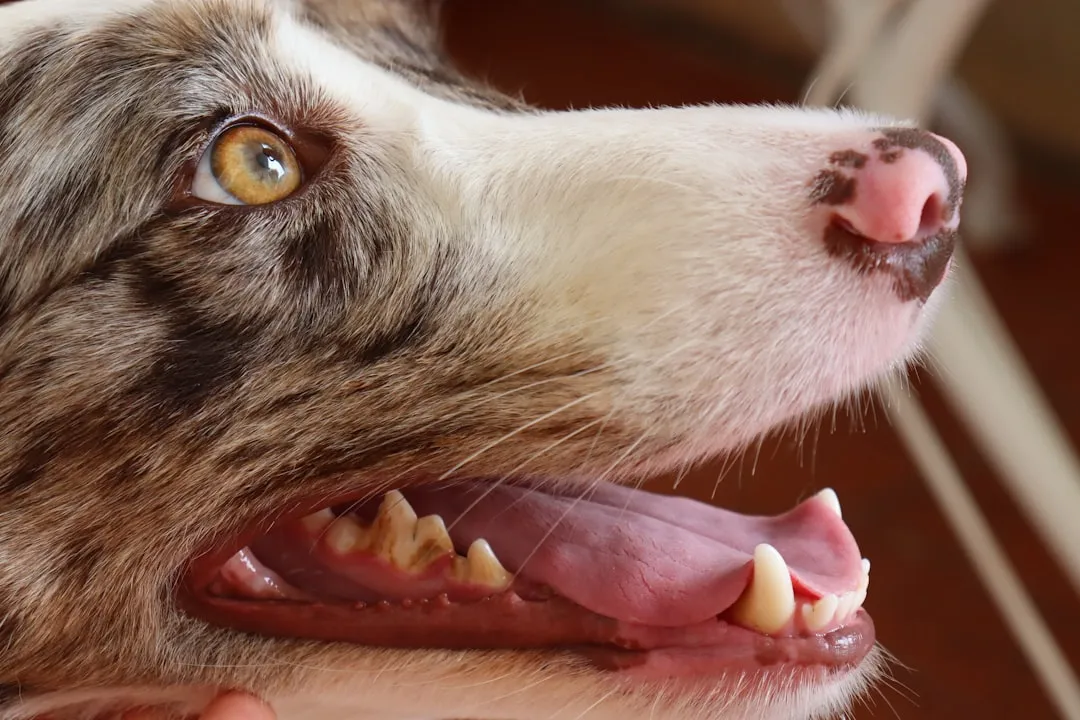
That whiff of foul breath when your senior dog yawns or the drool on your older cat’s chin often gets treated as an unpleasant but normal part of aging. People joke about “old dog breath” like it’s as inevitable as falling leaves. But chronic bad breath, drooling, pawing at the mouth, or reluctance to chew harder foods are almost always signs of dental disease, oral pain, or even more serious issues like oral tumors.
Cooler weather can make it easier to ignore smells, and in busy autumn schedules, dental care slides down the priority list. For your pet, though, every single day with a painful mouth is a day lived in quiet misery. Dental disease does not just stay in the mouth; the chronic inflammation and bacteria can affect heart, kidneys, and overall health. Calling it “just old breath” is one of the kindest-sounding but cruelest mistakes owners make.
17. Less Interest in Play Misread as “Outgrowing Toys”
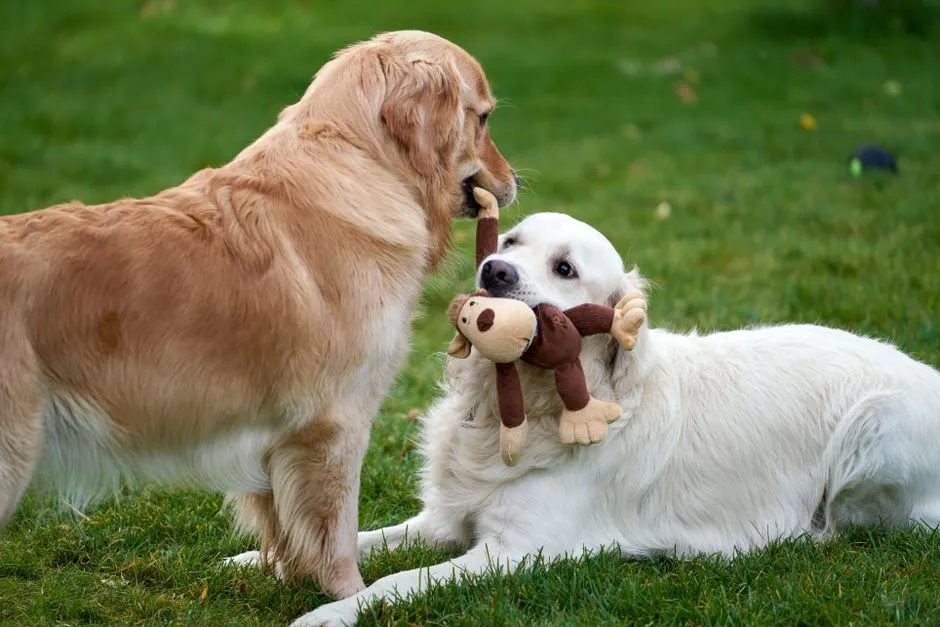
The sight of an older pet walking past toys they once adored can feel bittersweet, and many owners respond by buying new toys or deciding their pet has simply matured. While it’s true that energy and play drive often shift with age, a sudden or marked drop in play interest is more likely to reflect pain, fatigue, or low mood than some wise distancing from childish games. Play is one of the purest expressions of well-being in animals.
If a pet who used to light up at the sight of a ball now watches from the sidelines, or a cat who chased feathers for hours now looks away, that is information, not just a phase. Before you label them as “over toys,” ask whether their body is comfortable enough to engage or their mind is bright enough to be curious. Adjusting the type of play to their age is great; accepting total loss of joy as inevitable is not.
18. Changes in Vocalization Blamed on Quirkiness
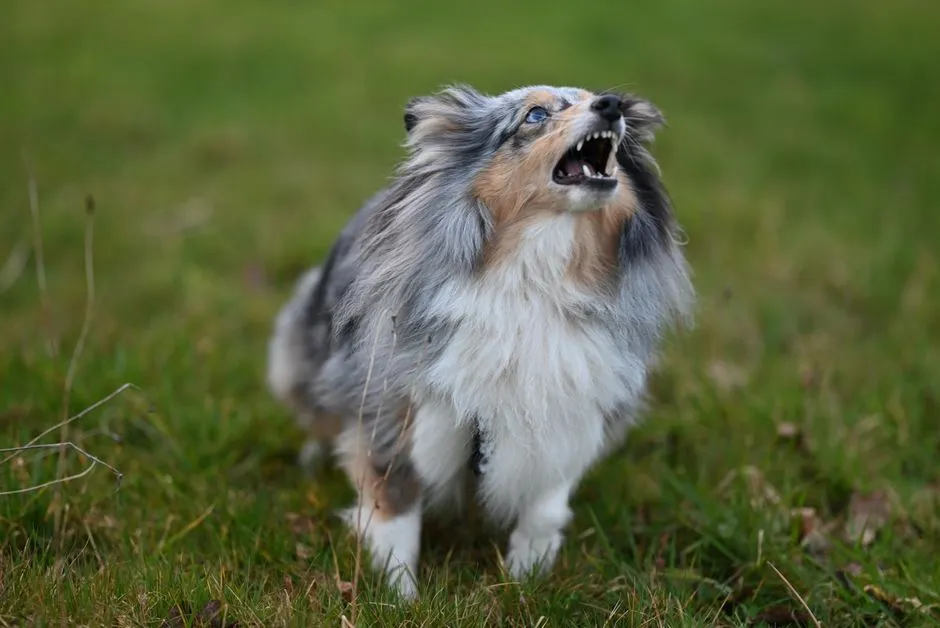
Older pets sometimes start “talking” more in autumn evenings: the dog who barks at nothing, the cat who yowls at night, the sudden whining or howling when they’re alone in a darker house. Many people write this off as quirkiness, attention-seeking, or seasonal restlessness. They assume their pet is just developing a new habit rather than asking what might be driving the noise from the inside out.
Increased or altered vocalization can be tied to pain, anxiety, cognitive decline, sensory loss, or even high blood pressure and hyperthyroidism in cats. A normally quiet animal who suddenly has a lot to say is not just extra dramatic for fall; they are likely distressed, confused, or uncomfortable. Instead of only working on training or ignoring the noise, it’s worth checking whether their body and brain are in balance first.
19. Owner Guilt Leading to Over-Comforting and Under-Treating

One of the most subtle autumn mistakes is emotional, not physical: owners feel guilty that their pet is aging and instinctively try to make life softer and easier in all the wrong ways. Extra treats, fewer walks, endless couch time, and a mentality of “let them do whatever they want, they’re old” can unintentionally accelerate decline. What feels like love in the moment can add weight, stiffness, and boredom to a body already struggling to keep up.
Compassion for an aging pet absolutely matters, but true kindness often means choosing structure over indulgence. A tailored exercise plan, thoughtful diet, regular vet checks, and environmental adjustments (ramps, rugs, heated beds) are far more loving than just wrapping them in a blanket of lowered expectations. Autumn is a season of soft light and honest reflection; it’s the perfect time to ask whether you’re comforting your own fear of loss or genuinely supporting your pet’s best possible life, right now.
Conclusion: Aging Is Inevitable, Suffering Is Not
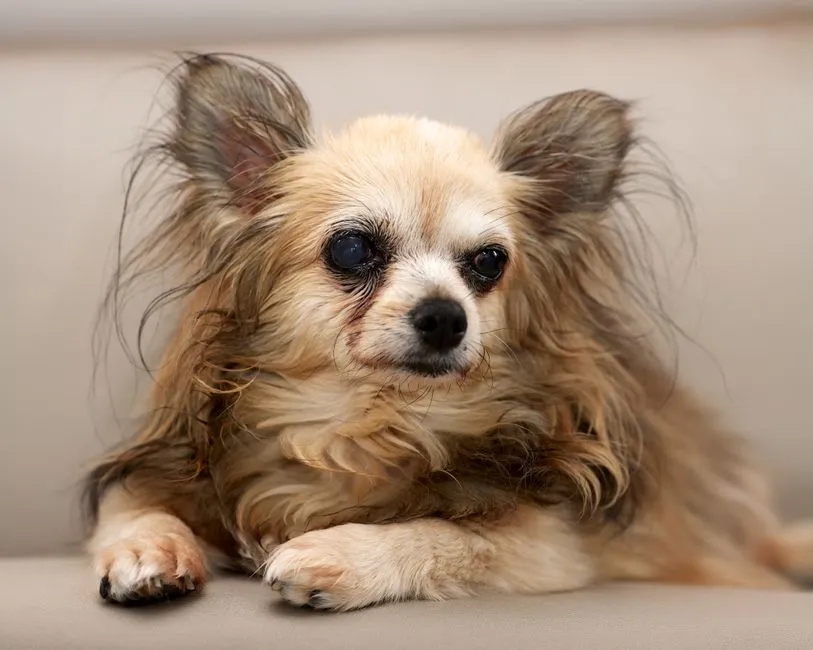
The hardest truth about sharing life with animals is that they age much faster than we do, and that feels brutally unfair. It’s tempting to protect your heart by telling yourself every limp, every nap, and every odd behavior is simply “what happens” when they get old, especially as the year winds down into autumn. But normal aging should look like slower joy, not quiet suffering. When we hide behind the idea that “it’s just age,” we often leave our pets to carry pain and confusion alone.
In my view, calling everything “slowing down” is a polite way of looking away, and our pets deserve better. They gave us wild puppy zoomies and fearless kitten leaps; they’ve earned more than a resigned shrug when their bodies and brains start to struggle. So this fall, instead of brushing changes aside, treat them like clues and start asking questions early. If your older pet could speak, would they really say they’re just cozy and tired – or would they beg you to notice the difference?
