
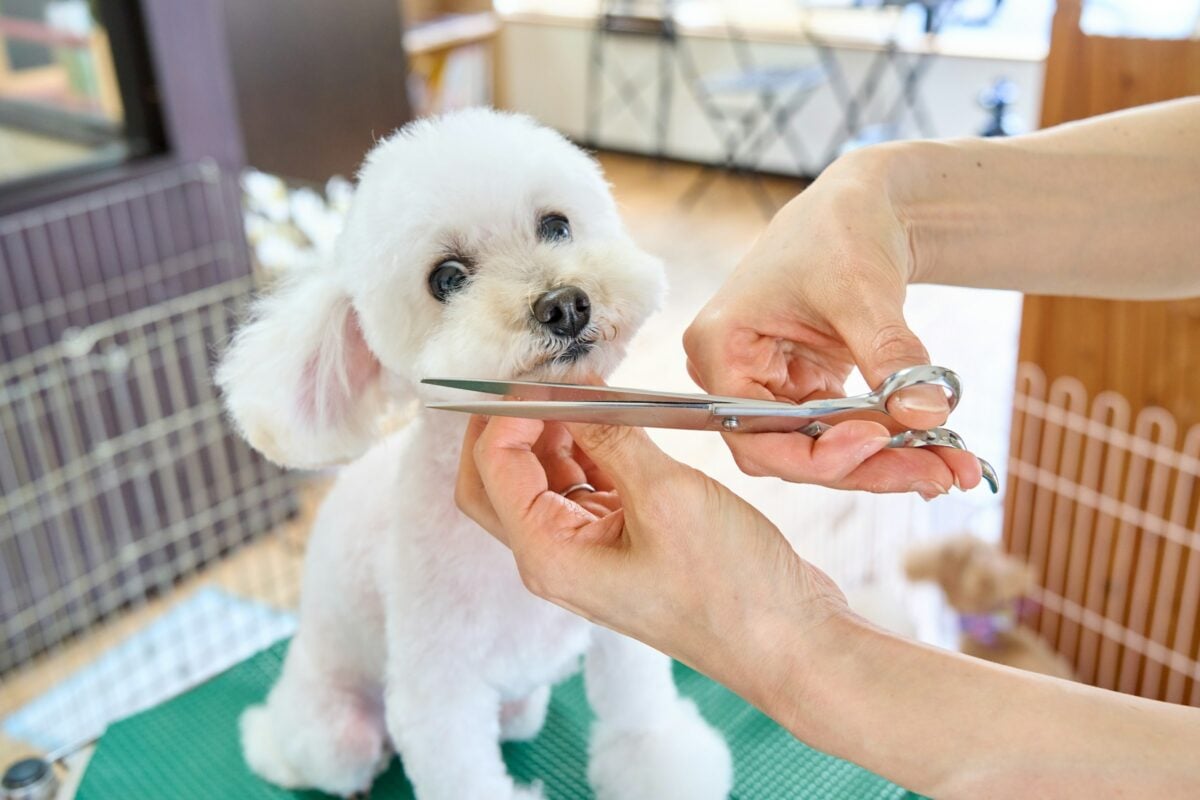
There’s a moment every groomer recognizes: the day a dog you’ve known for years suddenly steps onto the table a little slower, sighs a little deeper, and looks at you with eyes that say, “I’m tired, but I’m still me.” Owners see the gray fur and maybe the slower walks, but groomers see a whole hidden world of changes that creep in quietly with age.
Spending hours up close with senior dogs, hands on their skin, joints, paws, and faces, groomers often notice the things nobody talks about. Some of those things are heartbreaking, some are oddly beautiful, and many are small clues that can genuinely help an old dog stay more comfortable. Once you know what to look for, you’ll never look at your senior pup the same way again.
1. The Silent Stories in Their Eyes
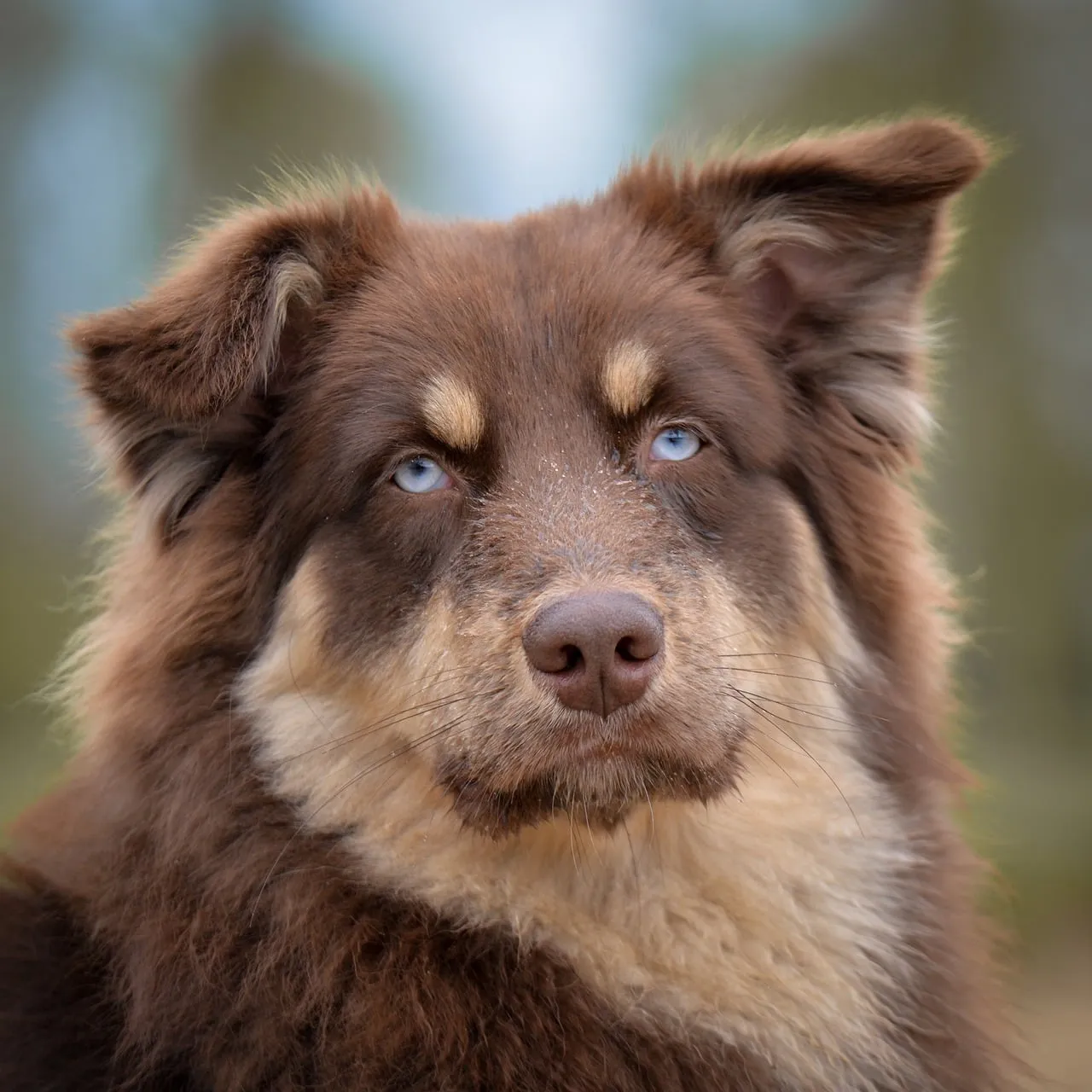
The first thing groomers notice in an older dog is the eyes, long before anyone calls the dog old. That slightly cloudy, bluish haze that many owners assume is just age can sometimes point toward normal aging changes, but it can also hint at vision shifts and early issues that deserve a vet’s attention. From the grooming table, when you’re face to face with a dog for an hour, those subtle changes are impossible to ignore.
Groomers also see how an older dog’s eyes track movement, or how they don’t. Maybe a dog startles more when you move a hand too fast with scissors, or hesitates at a step down off the table. It’s not just vision; it’s trust, confusion, and adaptation happening in real time. The eyes tell you when a dog is still sharp, when they’re getting foggy, and when they’re relying more on smell and touch than sight.
2. The Way Their Coat Stops “Bouncing Back”
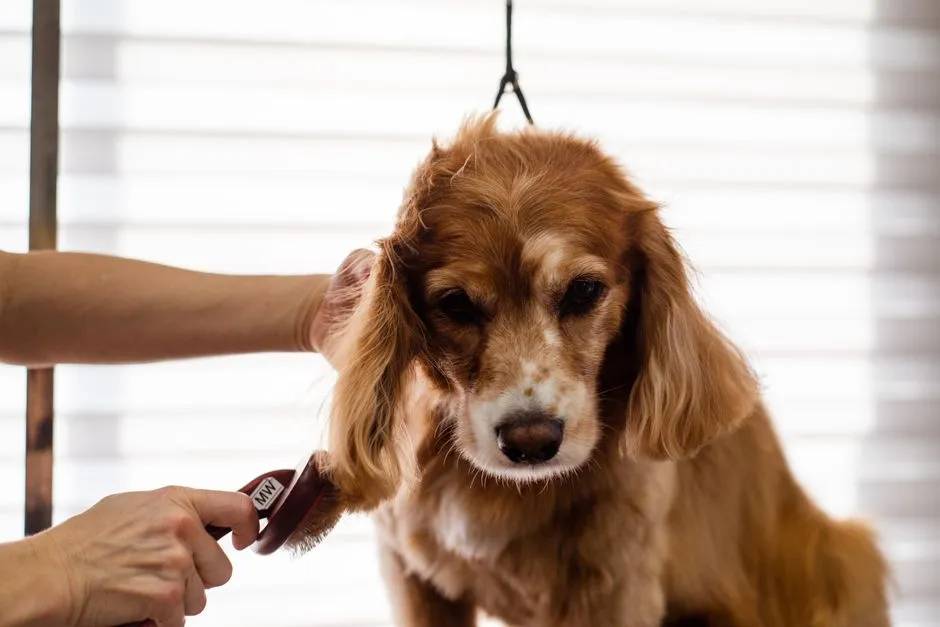
On a young dog, a quick brush and the coat springs back shiny and fluffy, almost like it has its own energy. On a senior dog, groomers see the opposite: fur that feels drier, thinner, or patchy in places, almost like a favorite sweater that’s been washed one too many times. That loss of bounce can reflect changes in hormones, diet, underlying health, or just the slow wear and tear of time.
Groomers feel this difference right away when they run a comb down the back and it doesn’t glide as easily, or the undercoat doesn’t shed out the way it used to. Sometimes it’s a clue that a dog needs better nutrition or a vet check, and sometimes it simply means they need gentler products and slower, more frequent brushing. Either way, the coat becomes less about style and more about keeping that older skin protected and comfortable.
3. The Hidden Map of Lumps, Bumps, and Odd Textures
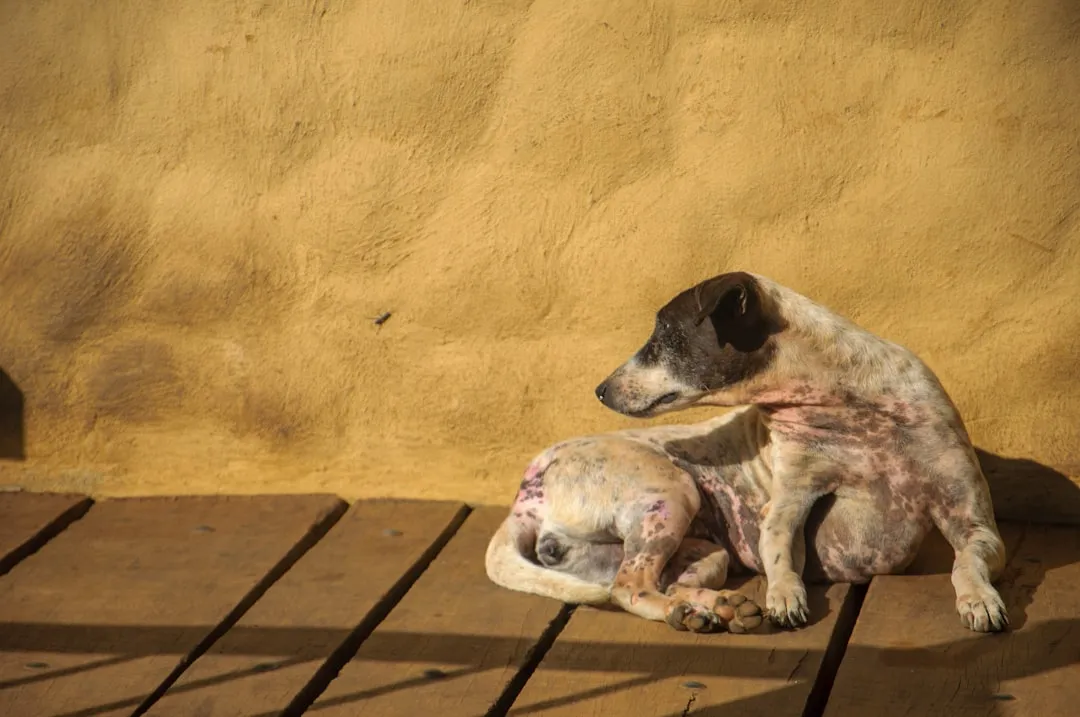
Ask any groomer and they’ll tell you: older dogs come with topographical maps under their fur. Little lumps along the ribs, soft fatty masses on the sides, tiny skin tags in awkward spots. Many owners never notice these until the groomer says, “Hey, have you felt this?” because they’re buried under fur and not always obvious in day-to-day cuddles.
Some of these bumps are harmless and common with age, while others are red flags that deserve a vet visit. Groomers learn to feel the difference between something that’s been there for years and something new that popped up between appointments. It’s not their job to diagnose, but it is very much their job to say, “This wasn’t here last time, please get it checked.” That quiet heads-up can make a massive difference for an older dog.
4. How Their Paws Tell the Truth About Pain
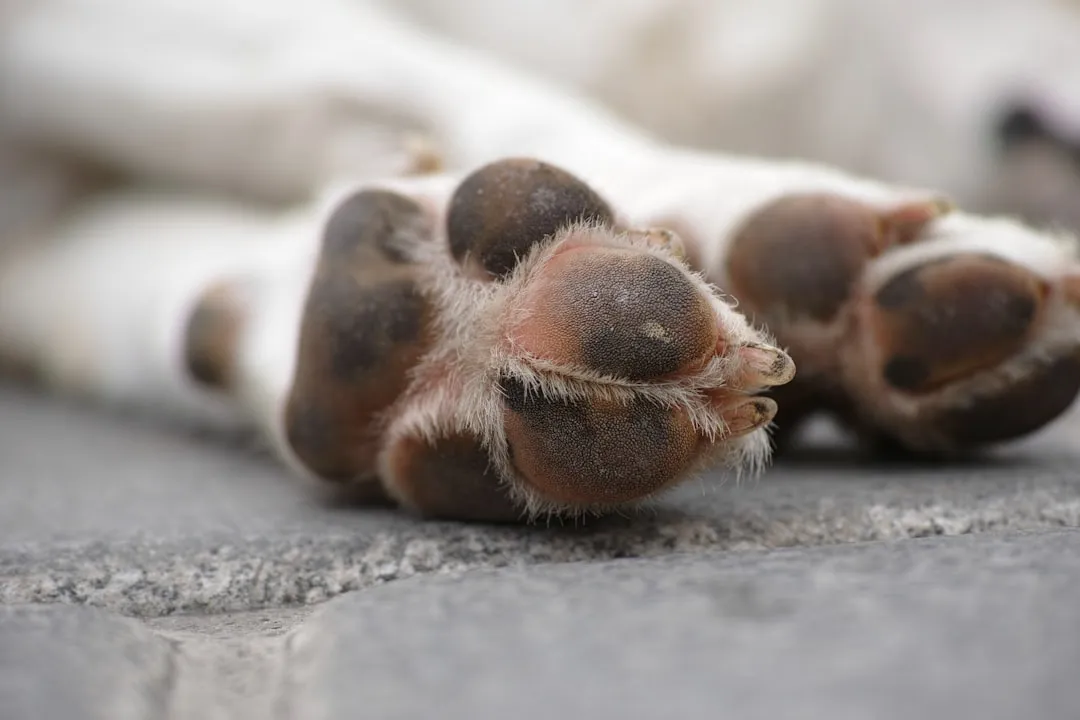
Paws might be the most honest part of an old dog. On the grooming table, when nails are trimmed and pads are cleaned, groomers notice when a dog suddenly pulls back a foot that never used to be sensitive. Stiff toes, thickened pads, or nails that grow longer faster because the dog is moving less can all quietly point toward arthritis or joint pain.
Sometimes it’s as simple as noticing that a dog leans heavily to one side when the other paw is lifted, or that they start to tremble halfway through a nail trim. Those little reactions suggest that standing is harder work than it used to be. A good groomer will slow down, add more support, use softer handling, and gently tell the owner, “I think those joints might be bothering them more than you realize.”
5. The Strange, Sweet Shift in Their Smell
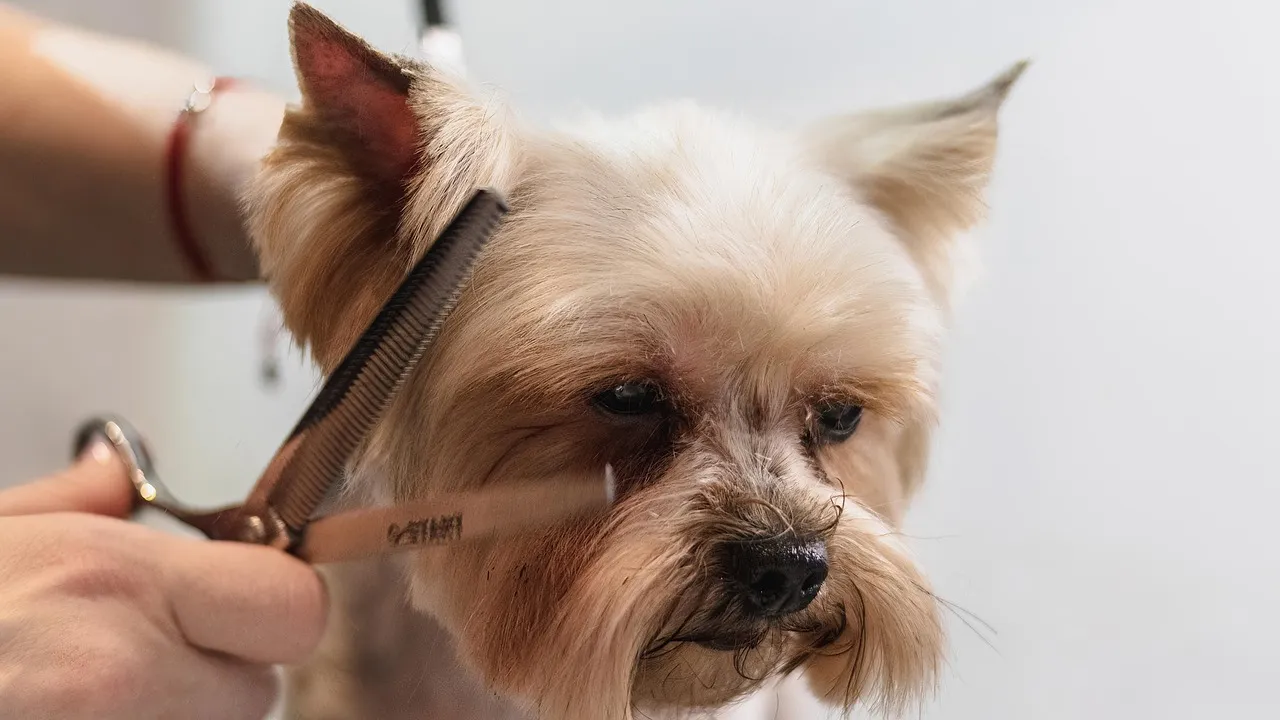
People like to joke about “dog smell,” but groomers will tell you that senior dogs have their own specific scent. It’s subtle but distinct: sometimes a little yeasty, sometimes metallic, sometimes just… older. This can be related to changing skin, dental issues, or early kidney or liver changes. It’s not always alarming, but it is always a clue.
When you wash and dry a dog up close, the nose picks up things the eyes can’t see. A groomer might notice that even after a good bath, a faint odor lingers around the ears, mouth, or rear, hinting at infections, dental disease, or anal gland issues. For an older dog, that smell isn’t just a nuisance; it can be a sign they’re uncomfortable in ways they can’t show until you get really close.
6. The Exhaustion That Hides Behind “Being Good”
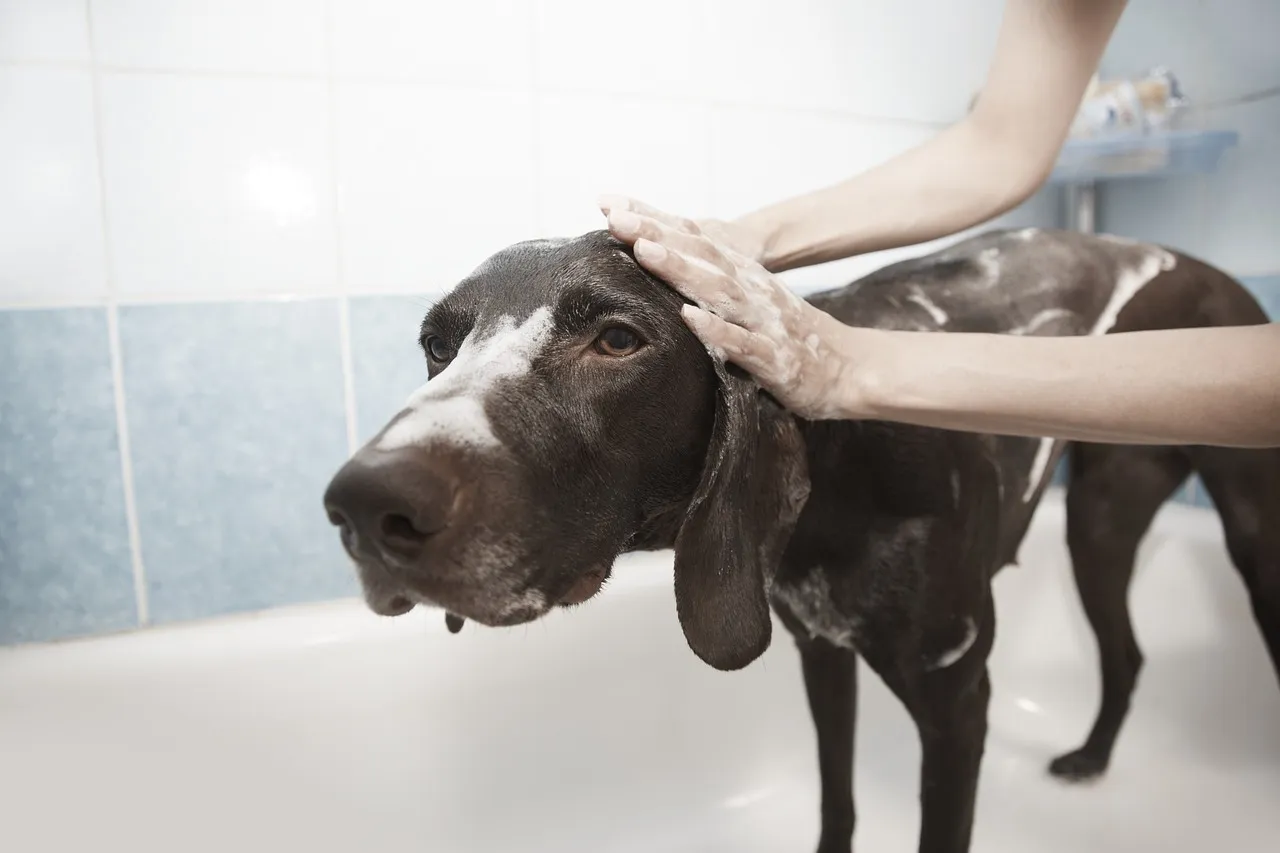
Owners often say their old dog is finally “so well behaved” at the groomer, as if they’ve suddenly matured. Groomers know that sometimes, that calm isn’t good manners; it’s fatigue. An older dog who used to wiggle and protest but now stands still and quiet might simply be too tired or too sore to put up a fight.
From the grooming table, you notice when a dog’s stillness is peaceful and when it looks like effort. The heavy breathing, the slower responses, the way they lean their head into your hand like they’re borrowing strength. Groomers learn to read that and adjust the appointment: shorter sessions, more breaks, softer tools, and sometimes the hard conversation that grooming might need to be scaled back for the dog’s sake.
7. The Micro-Flinches That Reveal Hidden Soreness
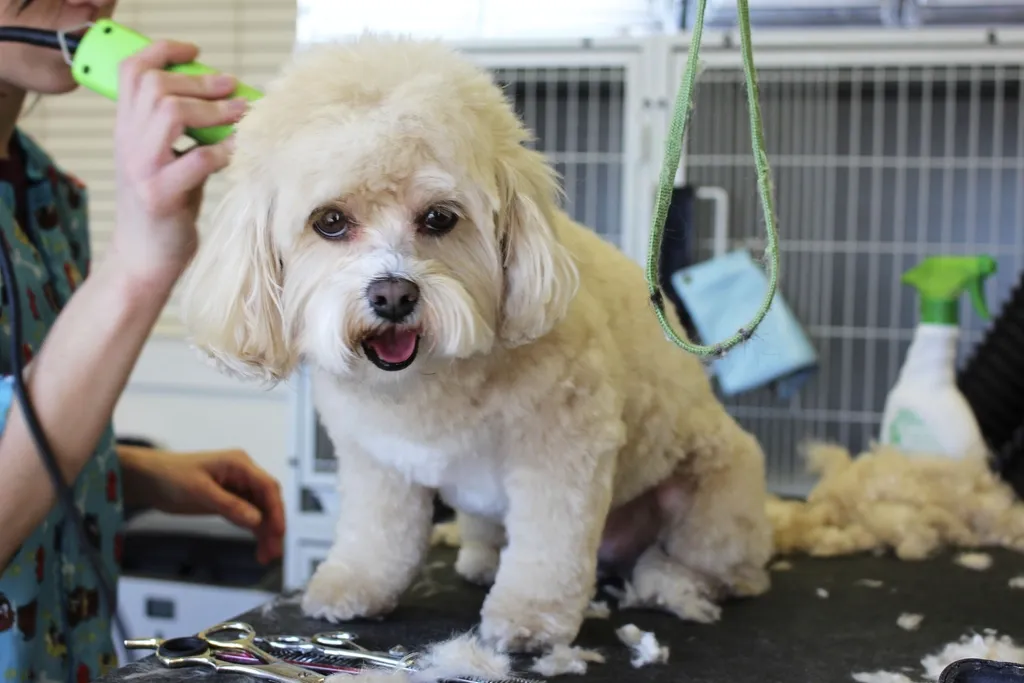
One of the biggest things groomers see in older dogs is tiny flinches: a twitch when you brush near the hips, a stiffening when you lift the tail, a quick head turn when you touch the back or neck. These are not dramatic reactions, so most people never see them. On the grooming table, where touch is constant, they stand out sharply.
These little signals can point to arthritis, spinal issues, or lingering injuries from years back. A dog may still play, still walk, still look “fine” at home, but the repeated, precise movements of grooming reveal where the body is quietly complaining. A thoughtful groomer will work around those sore spots, support the dog’s body more carefully, and gently let the owner know that something seems to hurt long before it becomes obvious in everyday life.
8. How Their Skin Starts to Tell on Them
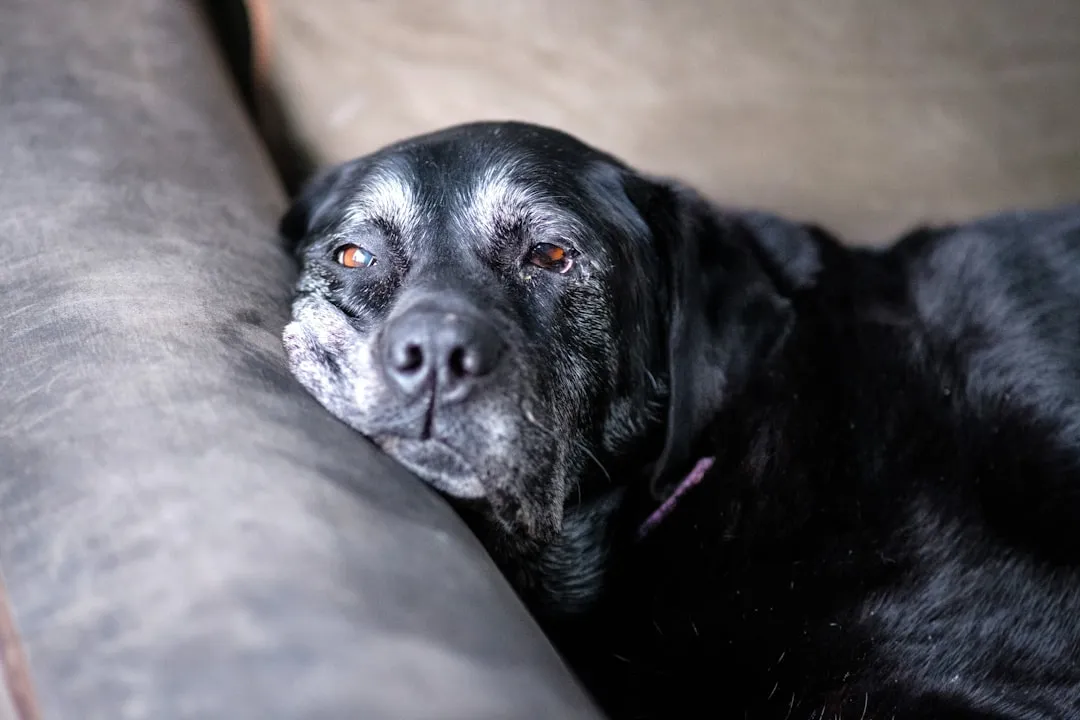
Under the fur, an older dog’s skin can tell a story all on its own. Groomers notice when it becomes thinner, more fragile, or dotted with little dark spots, dandruff, or irritated patches. What used to tolerate any shampoo now suddenly reacts, and what used to be smooth might feel papery or bumpy in ways it never did before.
This is where the groomer’s choice of products and technique really matters. Harsh shampoos, too-hot dryers, or rough brushing can cause damage that a younger dog would shrug off. A good groomer notices when a senior’s skin is “different this time,” switches to gentler formulas, cooler air, softer brushes, and lets owners know when persistent redness or flaking might need a vet’s eye instead of just another bath.
9. The Way Their Nails Become a Quiet Risk
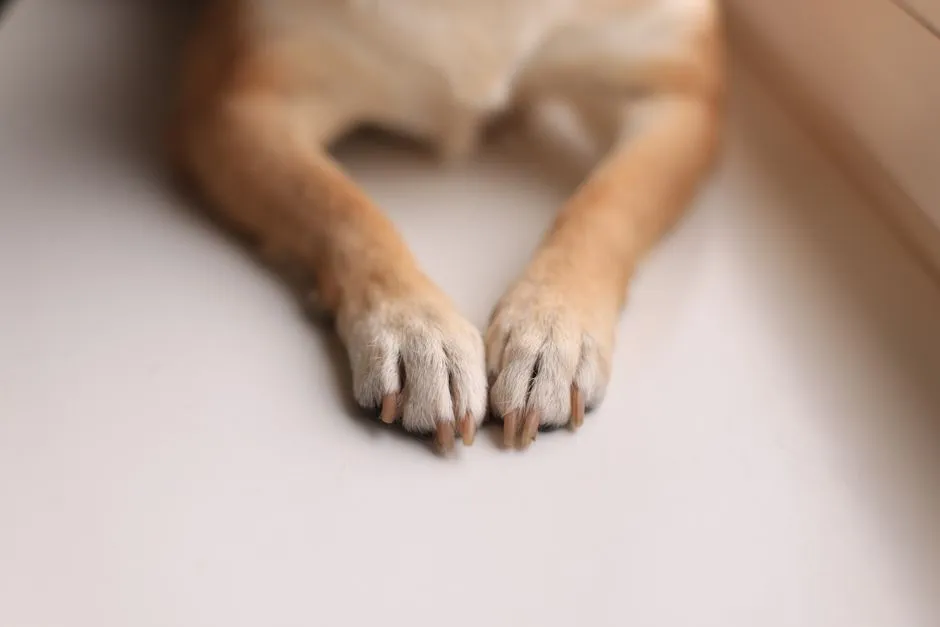
Long nails are a problem at any age, but in seniors they can be downright dangerous. Groomers see how quickly older dogs’ nails can overgrow when they are walking less or avoiding hard surfaces. Those nails change the angle of the foot, affect balance, and can make already-aching joints work even harder.
On the table, a groomer can literally feel the difference in how an old dog stands once the nails are shortened properly. Many senior dogs suddenly balance more easily, stop sliding, or seem less hesitant to move. It is a small, often ignored detail that can make an oversized difference in daily comfort for a dog who already finds each step a little more work than it used to be.
10. The Subtle Panic of a Dog Losing Their Senses
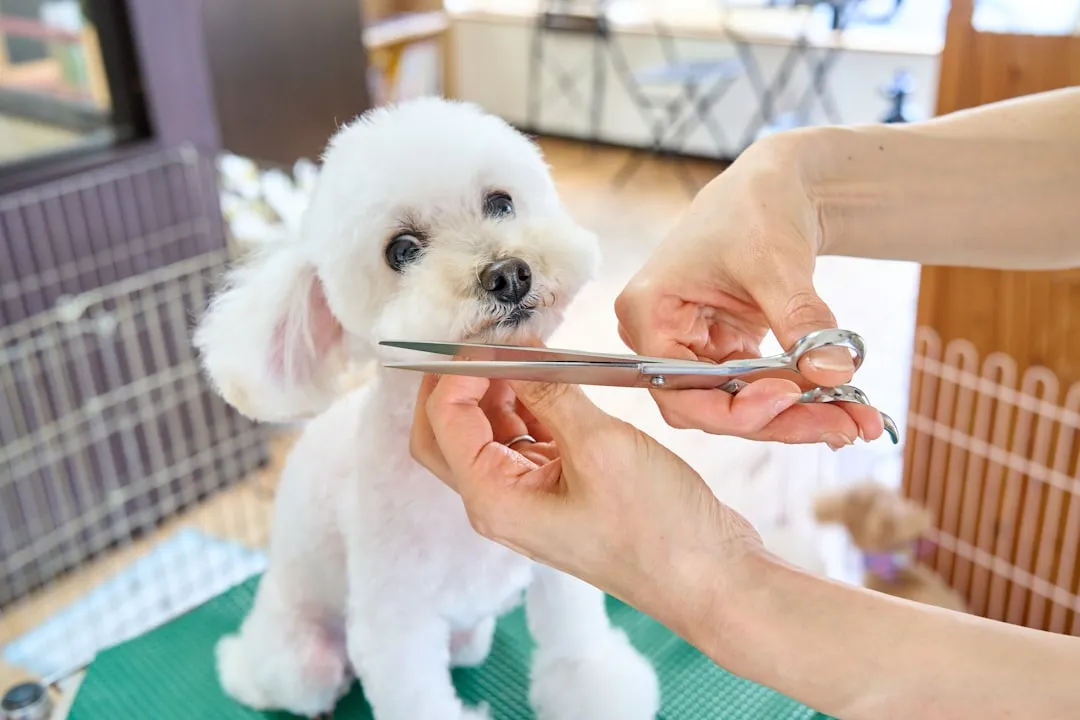
One of the most heartbreaking things groomers see is the quiet panic of a dog whose world is fading. A dog who once trotted confidently into the salon might suddenly freeze at the door, startled by sounds they cannot place or movements they barely see. Ordinary grooming noises, like clippers and dryers, can seem much louder and more confusing to a dog who is slowly losing hearing or sight.
On the table, this shows up as trembling, startled jumps, or frantic head turns toward sounds that never bothered them before. A sensitive groomer will slow the pace, use more touch and calm body language, and talk to the dog even if the dog might not hear every word. It is about anchoring them, helping them feel that even though the world is fuzzier and louder, they are still safe and still understood.
11. The Funny Little Ways They Ask for Breaks
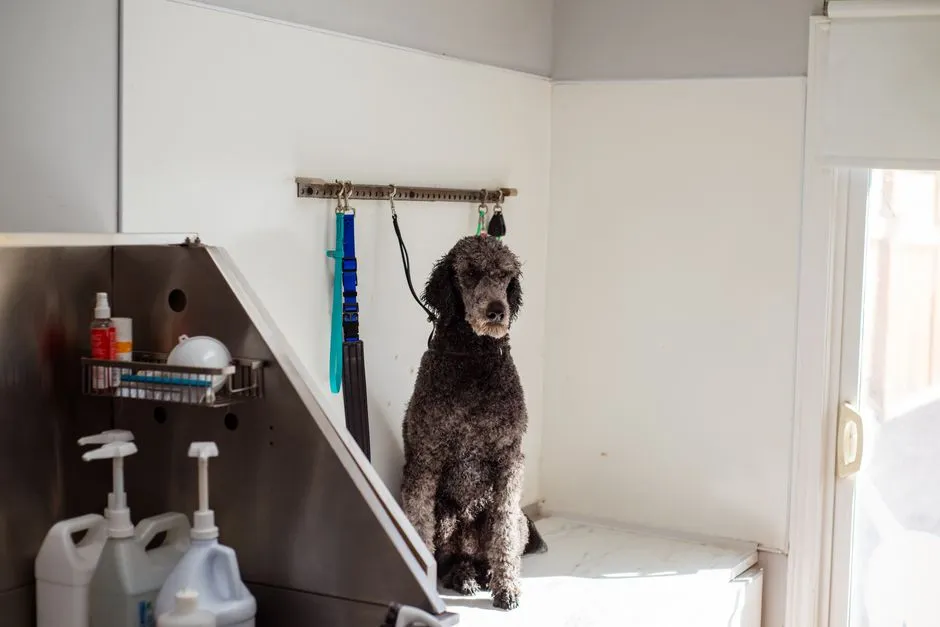
Young dogs fight grooming by wiggling, barking, or tossing their heads. Old dogs do it in quieter, almost polite ways. A senior pup might suddenly sit down in the middle of a bath, lean against the groomer’s body, or slowly turn their head away when the process is getting to be too much. It looks small, but from inches away, it is very clear: they are asking for a pause.
Groomers often become experts at reading those tiny “I need a minute” signals. Maybe the dog starts to yawn repeatedly, lick their lips, or stare at a fixed point. Those are stress cues and fatigue cues rolled into one. The best groomers listen, give that breather, and adjust expectations. With seniors, a half-finished perfect haircut is often kinder than pushing through to photo-ready perfection at the cost of their comfort.
12. The Way Old Friendships Deepen on the Table
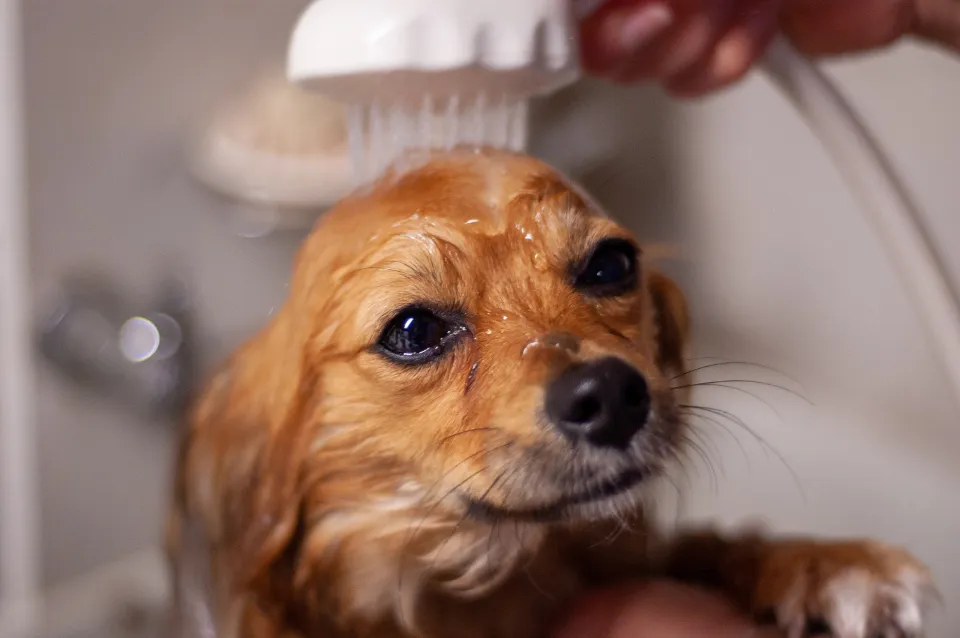
There’s a bond that forms between a groomer and a dog they’ve seen every few weeks for years. When that dog gets old, the relationship quietly shifts from routine maintenance to something more tender. The dog that once bounced through the door now walks slowly, but still nudges the same groomer’s hand, trusting them with one more bath, one more brush, one more hour together.
Groomers feel this in the way seniors relax into familiar hands, close their eyes when their ears are wiped, or lean heavily during drying as if saying, “I know you’ll hold me.” That emotional shift is rarely talked about, but it’s deeply real. For many groomers, caring for an aging dog is not just a job; it’s honoring the last chapters of a long friendship, one session at a time.
13. The Quiet Changes in Breathing and Heartbeat
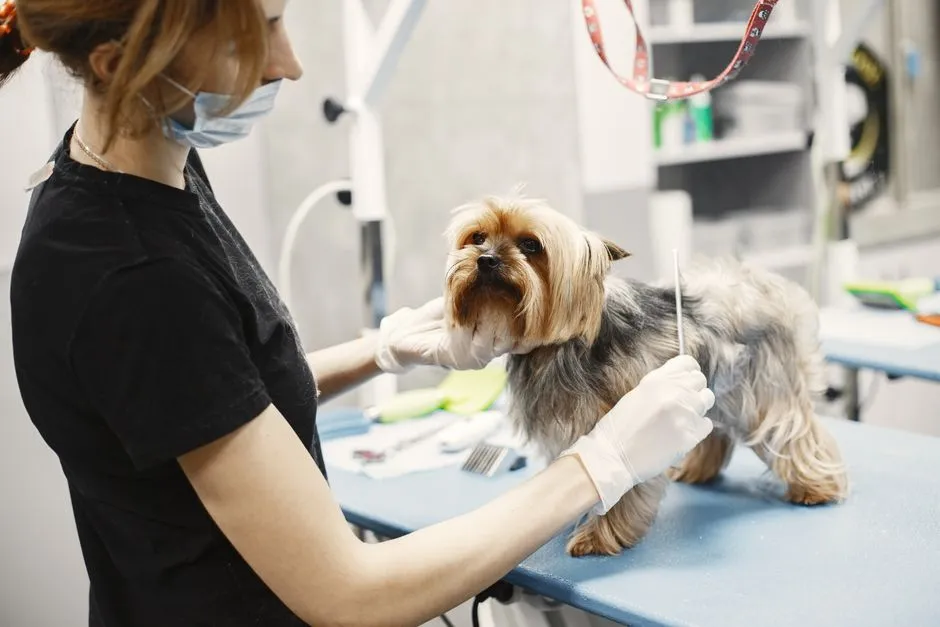
Most people don’t listen to their dog’s breathing for an hour straight, but groomers do. They notice when panting becomes heavier, when the chest rises and falls unevenly, or when a dog starts breathing more quickly even while standing still. Sometimes it’s anxiety, but in older dogs it can also hint at heart or respiratory changes that deserve a closer look from a vet.
On the grooming table, a groomer has a hand on the dog’s body constantly: lifting, supporting, holding. In that closeness, they feel when a heartbeat seems unusually fast or when a dog’s energy dips sharply halfway through a session. They cannot diagnose, but they can say, “Something doesn’t feel like it used to,” and encourage an owner not to shrug it off. That extra pair of attentive hands can catch the early whispers of bigger issues.
14. The Growing Fear of Slips and Falls
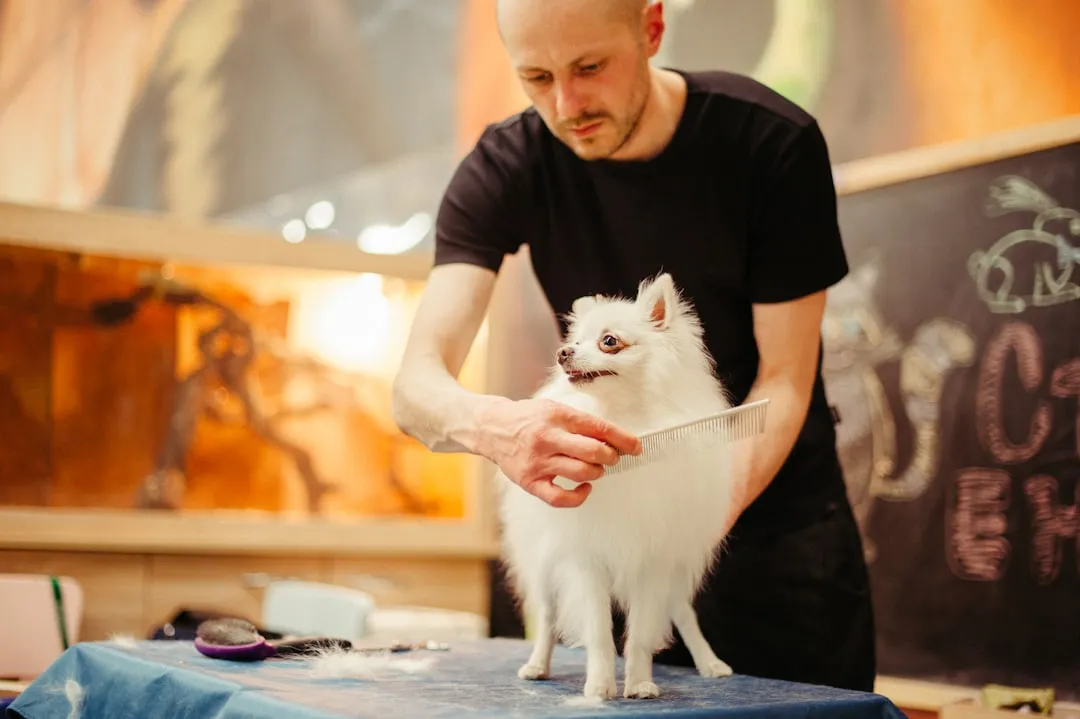
One of the most practical things groomers notice about older dogs is how unsure they get on their feet. Wet surfaces, grooming tables, and tubs become risky terrain for bodies that are less coordinated than they used to be. A dog who once hopped into the tub now hesitates at the edge like it’s a cliff, and a misstep can shake their confidence for the rest of the appointment.
Because of that, groomers often start adjusting their routines long before owners realize their dog is struggling with mobility. They use more non-slip mats, lower tables, extra hands for support, and gentler lifting techniques. Those adaptations are not about convenience; they are about preserving an old dog’s fragile sense of safety, so grooming does not become something they dread or fear.
15. The Shifts in Their Tolerance and Patience
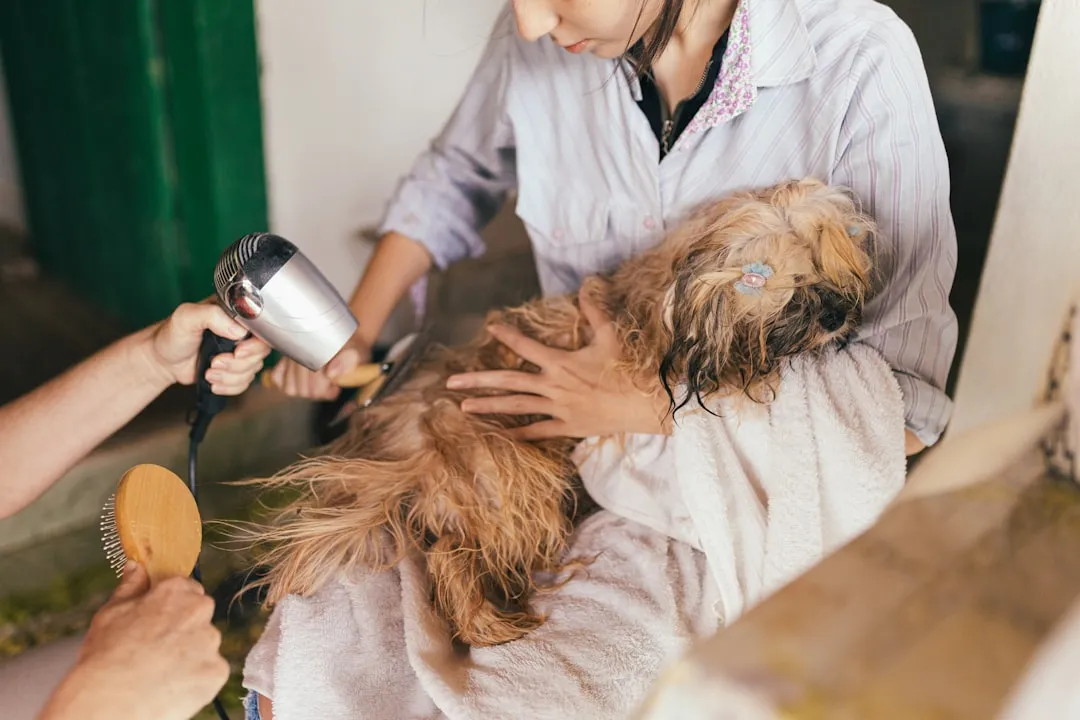
People expect old dogs to be endlessly patient, but groomers know that is not always true. Some seniors get grumpier with age, less willing to tolerate long sessions, certain tools, or having their faces and feet handled. It is not them being bad; it is them having less bandwidth, less flexibility, and less ability to shrug off minor discomforts.
On the table, this might show up as low growls, lip lifts, or sudden snaps where there never used to be any. A thoughtful groomer does not label that dog “mean”; they see it as communication. They shorten sessions, modify styles, move more slowly, and sometimes suggest a vet check to rule out pain. The goal shifts from “best groom ever” to “least stressful, most comfortable experience possible.”
16. The Way Grooming Becomes Health Care, Not Just Beauty
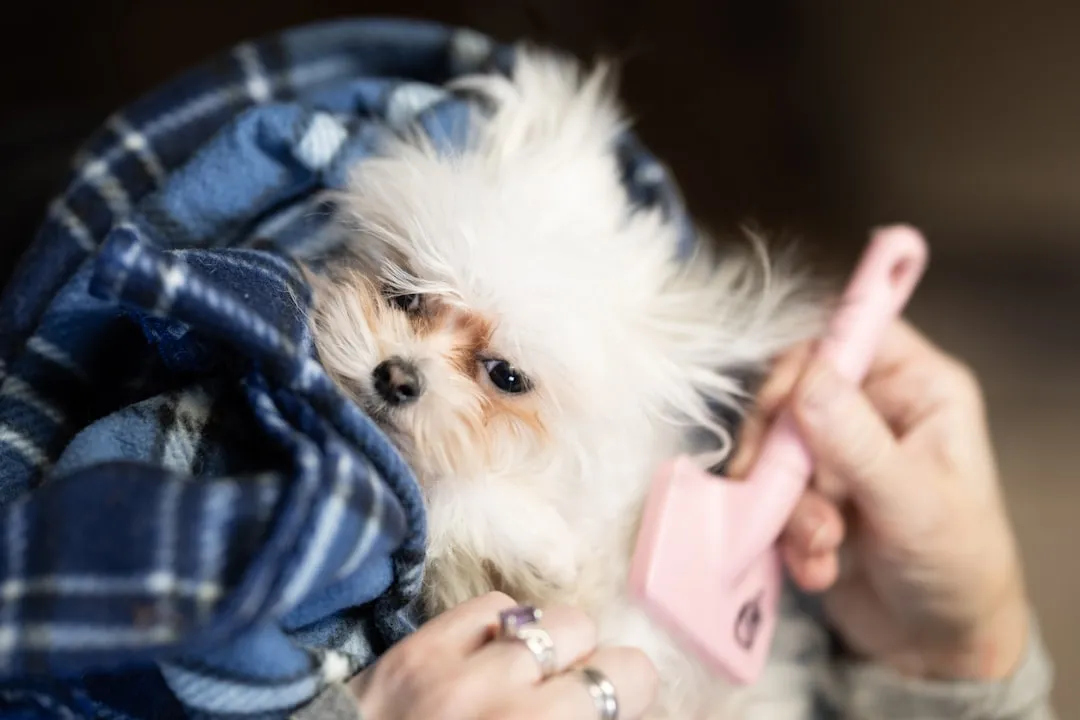
With young dogs, grooming is often about looks: cute trims, stylish cuts, fluffy finishing. With old dogs, that priority flips. Groomers start thinking in terms of hygiene clips instead of show clips, short sanitary trims to keep urine and feces from irritating thin skin, and shorter coats that dry quickly so fragile bodies are not left damp and chilled.
The grooming appointment gradually becomes part wellness check, part spa day. Cleaning ears to prevent infections, keeping eyes free of gunk, trimming fur around the mouth to avoid mats soaked with drool, all take on new weight. Owners may come in asking for the “usual,” but an experienced groomer will often gently recommend more practical, low-maintenance styles that keep the dog comfortable between visits, even if they are less glamorous.
17. The Delicate Dance Around Cognitive Decline
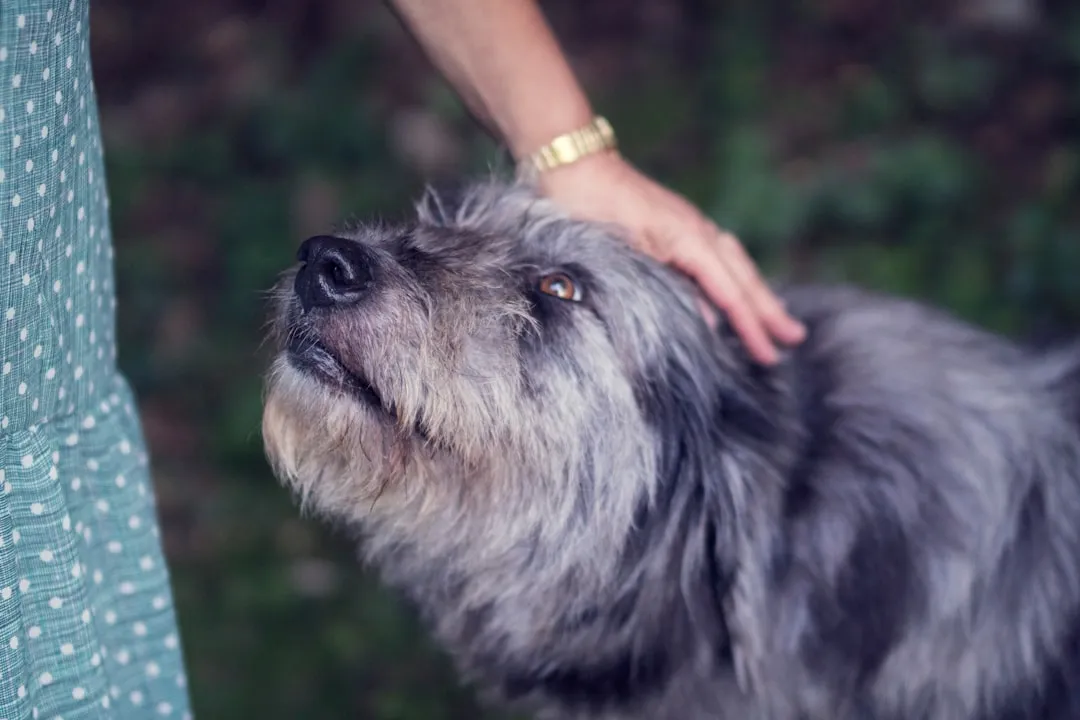
Some of the saddest changes groomers see in older dogs are the signs of mental fogginess. Dogs who seem lost on the table, who stare into space, who suddenly panic halfway through a bath as if they have no idea where they are or how they got there. At home, owners might just see a little extra wandering or nighttime restlessness; on the table, that confusion can be stark and sudden.
Groomers learn to move more slowly with these dogs, keep routines extremely consistent, and use reassuring touch to anchor them. It might mean doing only part of the groom one day and finishing the rest another time, or scheduling appointments at quieter times so the overwhelm is lower. For a dog whose mind is slipping, kindness is not optional; it is the only way grooming remains possible at all.
18. The Farewell Appointments Nobody Talks About
There are grooms that feel different from the moment the dog walks in. Maybe the owner mentions a new diagnosis, maybe the dog is skin and bones, maybe the eyes are dull in a way that feels final. Groomers know, often before it is said out loud, when they are probably giving a dog their last proper bath and trim.
In those sessions, everything slows down. The haircut might be simpler, the bath gentler, the drying shorter. It stops being about aesthetics and becomes a small act of love: cleaning up a life-long friend so they feel lighter, cleaner, and cared for in their final days. Many groomers carry those last appointments with them for years, long after the fur has grown out and the dog is gone.
19. The Quiet Gratitude Written All Over an Old Dog
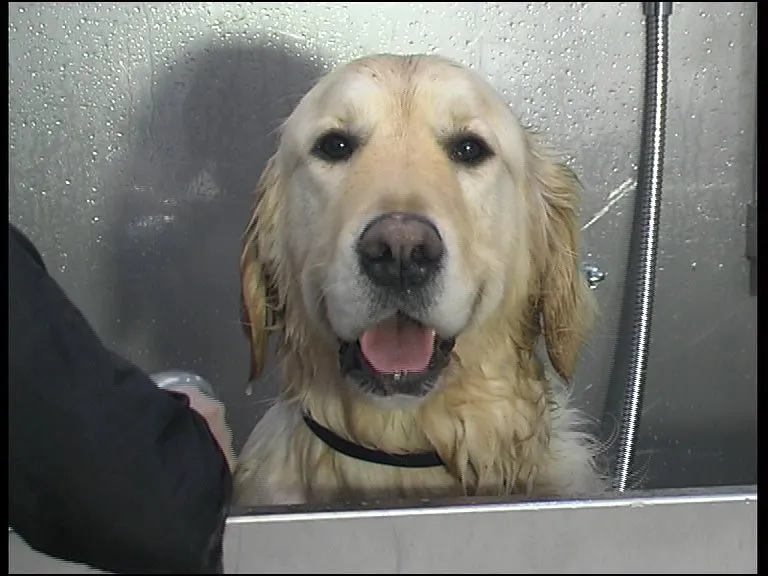
For all the tough parts, there is something incredibly moving about grooming an old dog who has seen it all and still chooses to trust you. The way they rest their chin in your hand, the way they close their eyes when warm water runs over aching joints, the little tail wag they still manage when you say their name. It is not flashy, but it runs deep.
Groomers see a kind of gratitude in seniors that is hard to explain but impossible to miss once you have felt it. These dogs do not care about perfect lines or fancy styles; they care that someone is gentle, patient, and willing to adjust the world to fit their aging bodies. In that sense, grooming an old dog becomes less a beauty service and more a quiet conversation: you take care of me, I’ll keep trying for you.
Conclusion: Why Groomers See Old Dogs Differently (And Why It Matters)
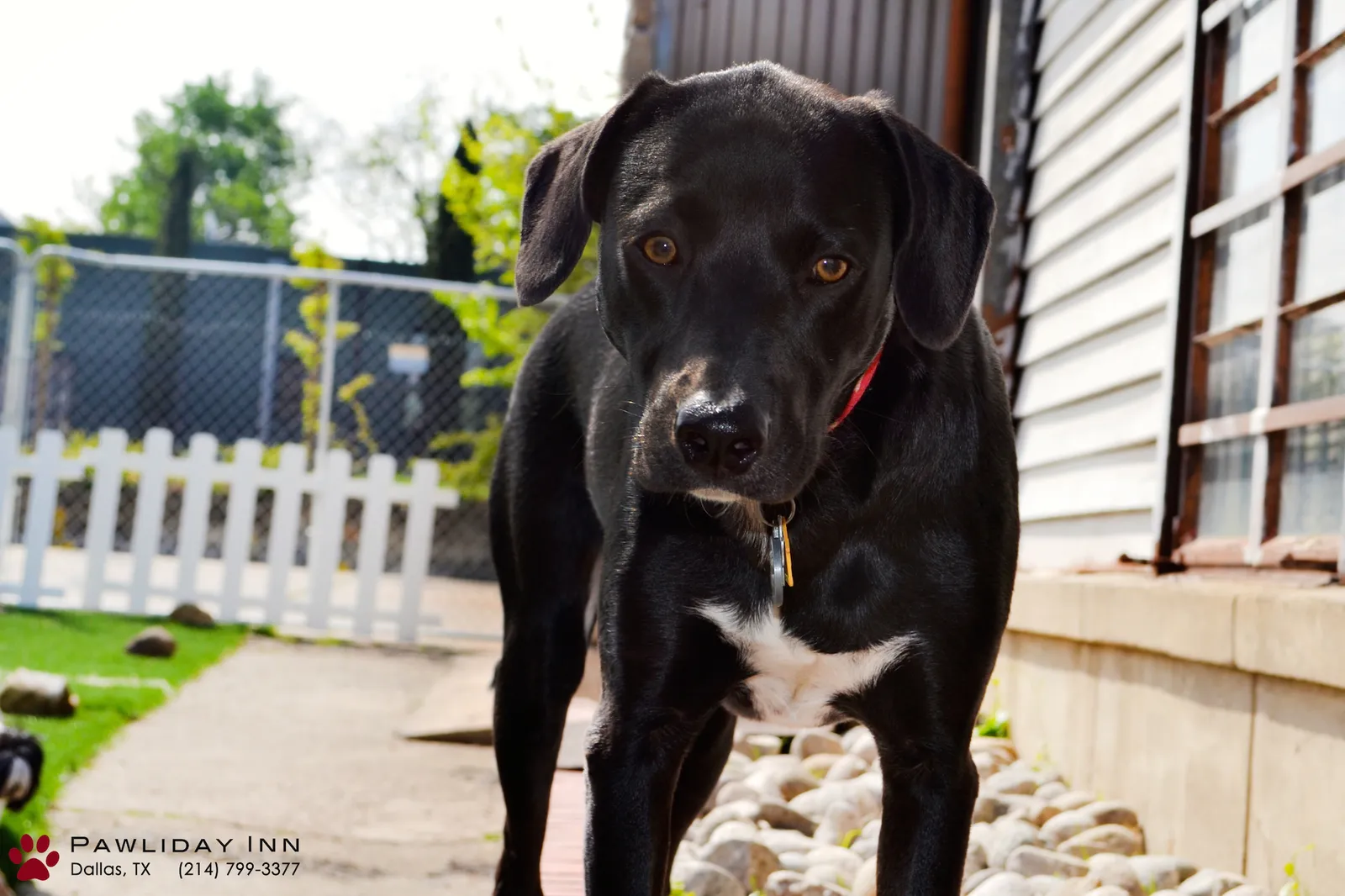
From the outside, an aging dog just looks a bit slower and grayer. From the grooming table, though, you see a completely different layer: the sore spots, the confusion, the silent aches, and also the fierce, stubborn will to keep going. Groomers live in that in-between place where health, comfort, and care all collide, and it forces them to be honest about what an old dog really needs, even when it’s not pretty or sentimental.
If there’s an opinion to walk away with, it’s this: we owe our senior dogs more than just nostalgia for their younger days. We owe them adaptations, shorter appointments, softer brushes, practical haircuts, and the courage to notice when something is off instead of dismissing it as “just old age.” Next time your gray-muzzled friend comes back from the groomer, ask what they noticed, and really listen. You might find that the person who trimmed their fur just handed you a quiet roadmap to caring for their final years better than you ever expected – what part of that could you possibly afford to ignore?
