
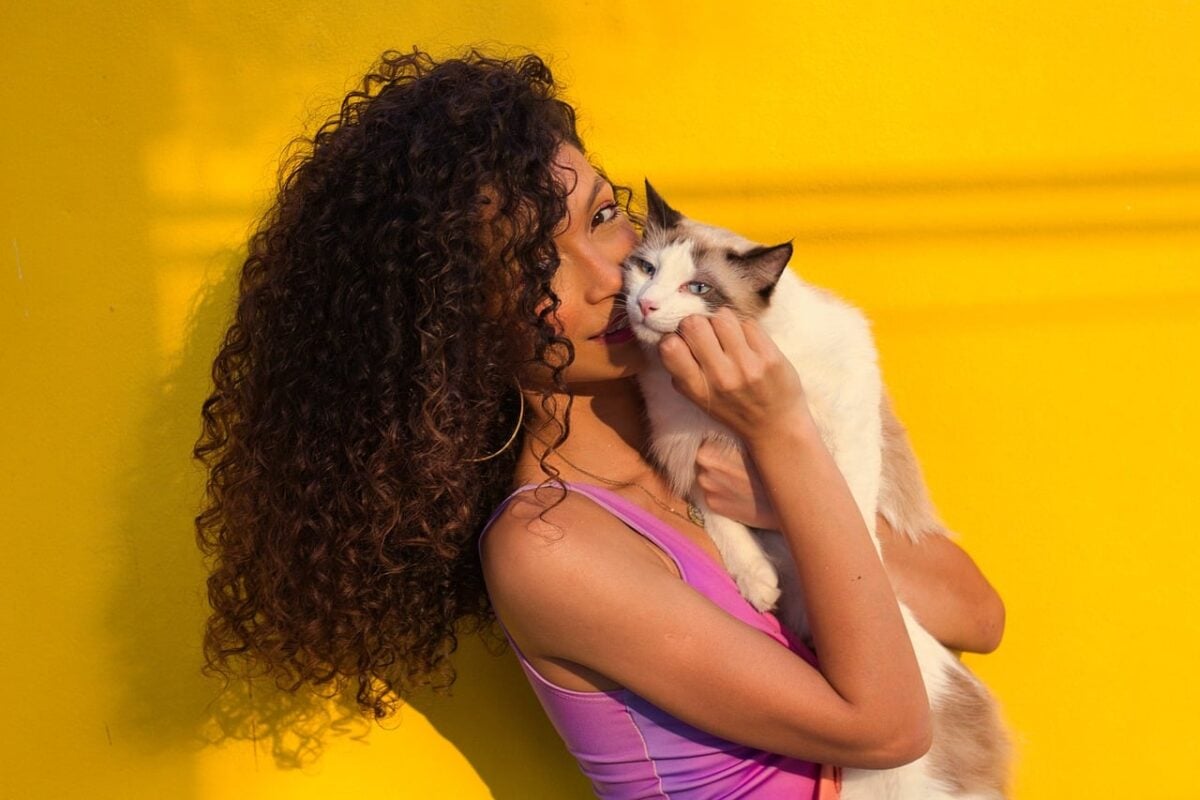
If you’ve spent your life around wagging tails and eager eyes, stepping into the world of cats feels a bit like switching planets. Suddenly the animal in your living room has opinions, personal policies, and a silent union you were never told about. It can be hilarious, confusing, and genuinely a little humbling.
When I adopted my first cat after a lifetime of dogs, I kept thinking something was wrong with her. Why did she stare at me from across the room instead of following me? Why did she come over, purr like a tractor, then randomly swat my hand and walk off as if I’d offended her ancestors? If that sounds intriguing (or alarming), get ready – because cat reality is wildly different from dog reality.
1. Affection Is Real, But It’s Very Much on Their Terms
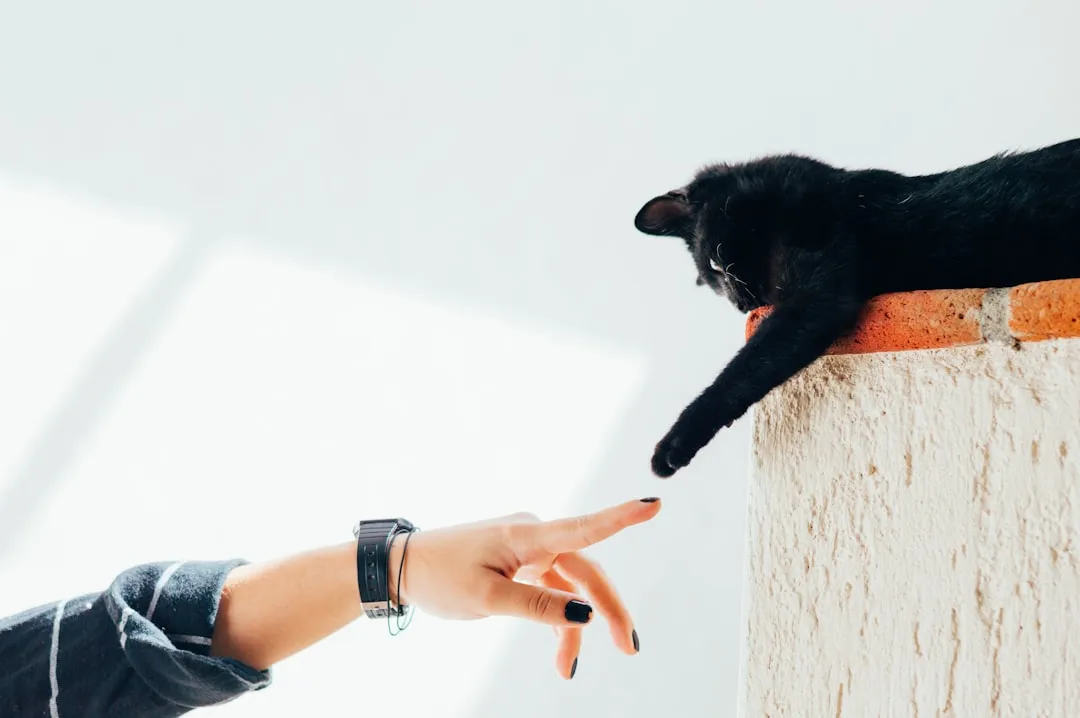
The first shock for dog people is that cats can absolutely love you deeply, but they refuse to perform it on command. A dog might race to the door the second you come home, whereas a cat could stay on the sofa and just flick an ear in your direction like a royal acknowledgment. That tiny ear flick, though? In cat language, that’s actually a pretty big deal.
Instead of constant in-your-face devotion, cat affection tends to show up as slow blinks, casual head bumps, and choosing to nap near you. They might not leap up when you call, but if they quietly follow you from room to room and settle nearby, that is cat-level clingy. It feels subtle compared to a dog’s enthusiasm, but once you tune into it, it’s surprisingly moving.
2. “Ignoring You” Is Often Their Way of Checking In
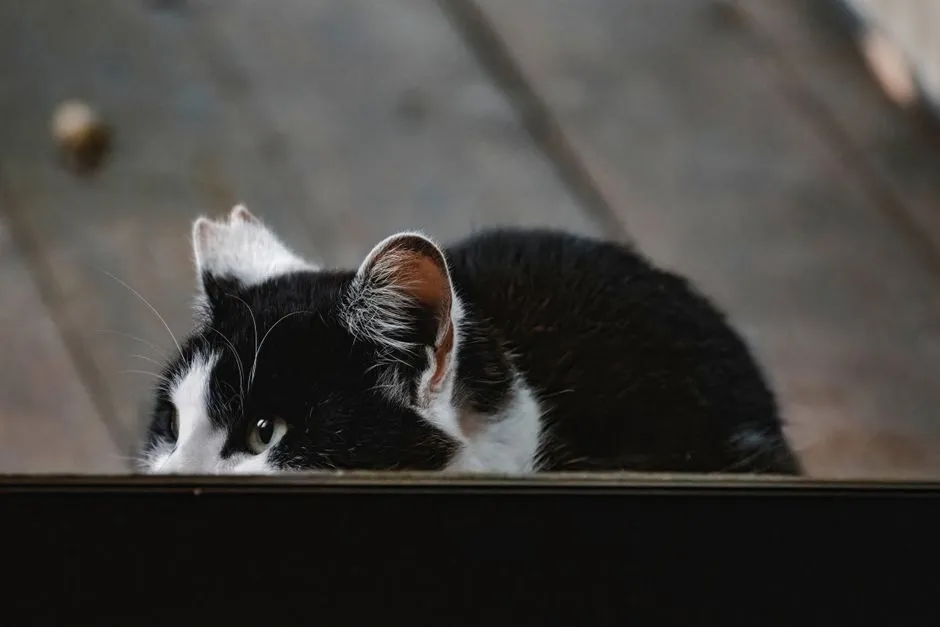
To a dog owner, a cat sitting across the room, calmly watching you, can feel a bit cold. You might assume they’re indifferent, or worse, that they don’t like you. In reality, many cats are simply comfortable observing from a distance, like security staff in fuzzy pajamas. They keep track of where you are and what you’re doing, they just don’t feel the need to be glued to your side.
If you notice your cat quietly relocating to whichever space you’re in, even if they act like you don’t exist, that’s actually a sign of connection. They want proximity without the pressure of constant interaction. It’s the emotional equivalent of hanging out with a friend on the couch in silence – no performance, just presence.
3. Purring Is Not Always the Pure Joy You Think It Is
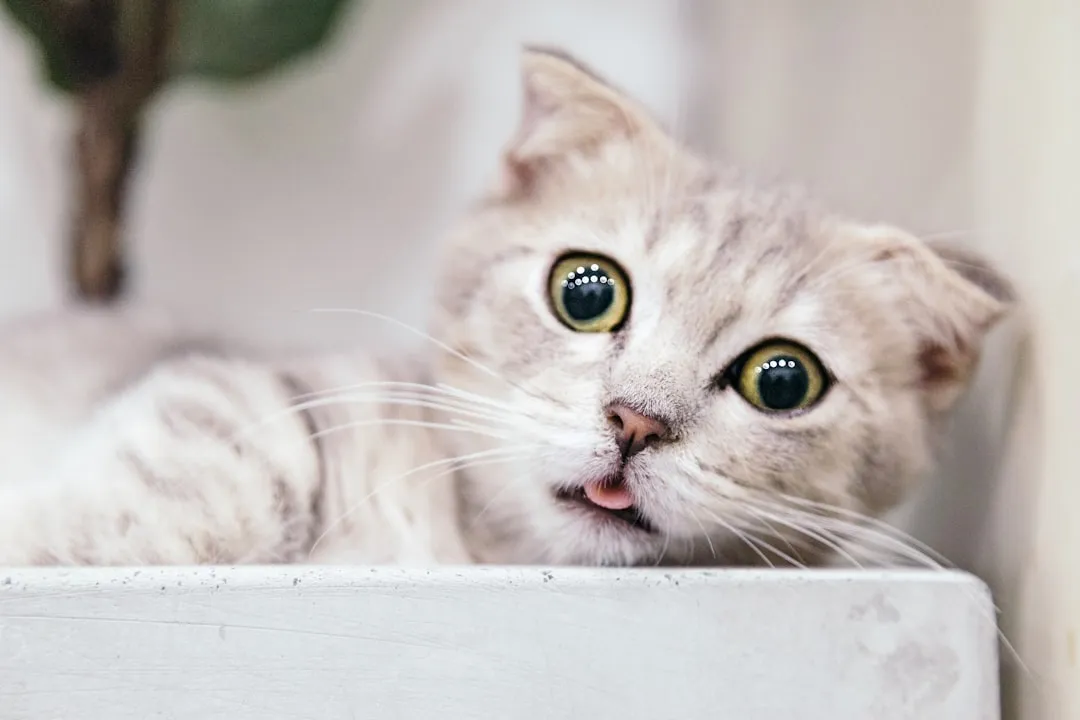
Dog people usually assume any happy noise is pure happiness, so purring feels like the cat version of tail wagging. Often it is a sign of comfort and contentment, especially when your cat is relaxed, kneading, or slowly blinking at you. That rhythmic vibration while they curl on your lap can be one of the most calming sounds in the world.
But cats also purr when they’re stressed, in pain, or anxious, almost as a self-soothing mechanism. That means context suddenly matters a lot more than you might expect. A cat at the vet that’s purring with wide eyes and a tense body is not having a good time. Dog owners have to learn to read the whole picture, not just the soundtrack.
4. Play Is Not Just Fun, It’s a Full-Blown Hunting Simulation
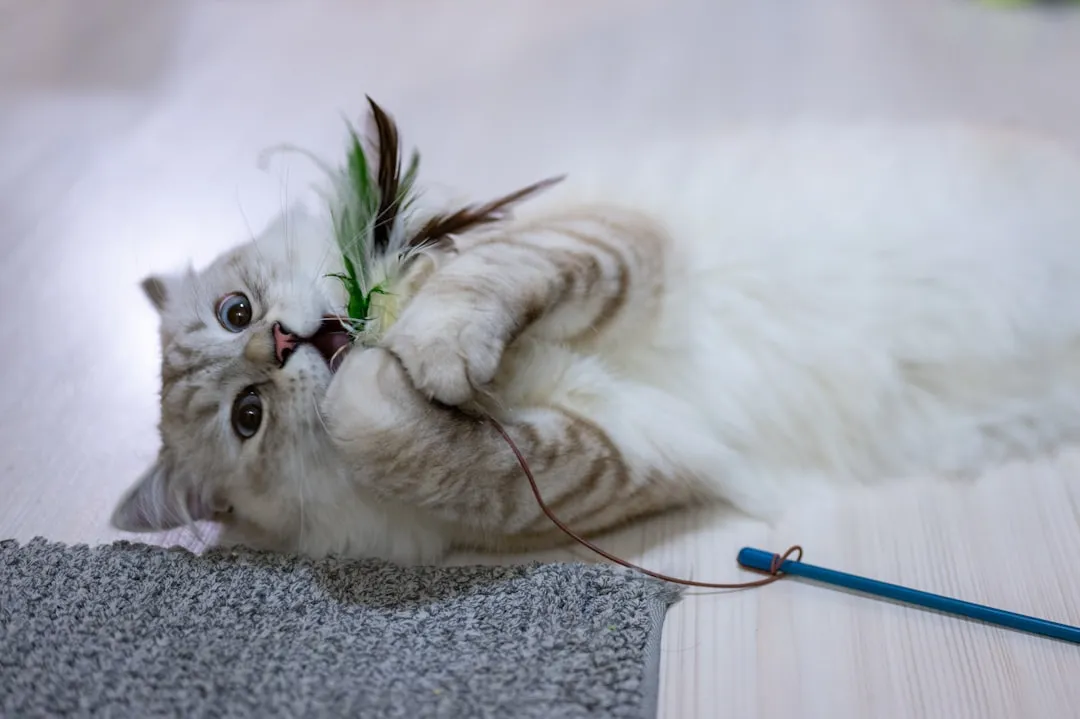
With dogs, play can be goofy, chaotic, and loud – fetch, tug-of-war, chase, repeat. With cats, play is a structured little drama where your living room becomes a savannah and that feather toy is doomed prey. The way they stalk, pounce, and “kill” a toy is not random; it’s them playing out their hunting instincts in miniature.
This is why many cats go from statue-still to lightning-fast in half a second. They want the chase, the catch, and sometimes the “victory lap” where they drag the toy around like a trophy. If you wave a toy lazily in front of them like a set of car keys, they might look bored. Move it like something that’s trying very hard not to be eaten, and suddenly you’ve unlocked a different animal.
5. They Don’t Obey Commands, They Negotiate Terms
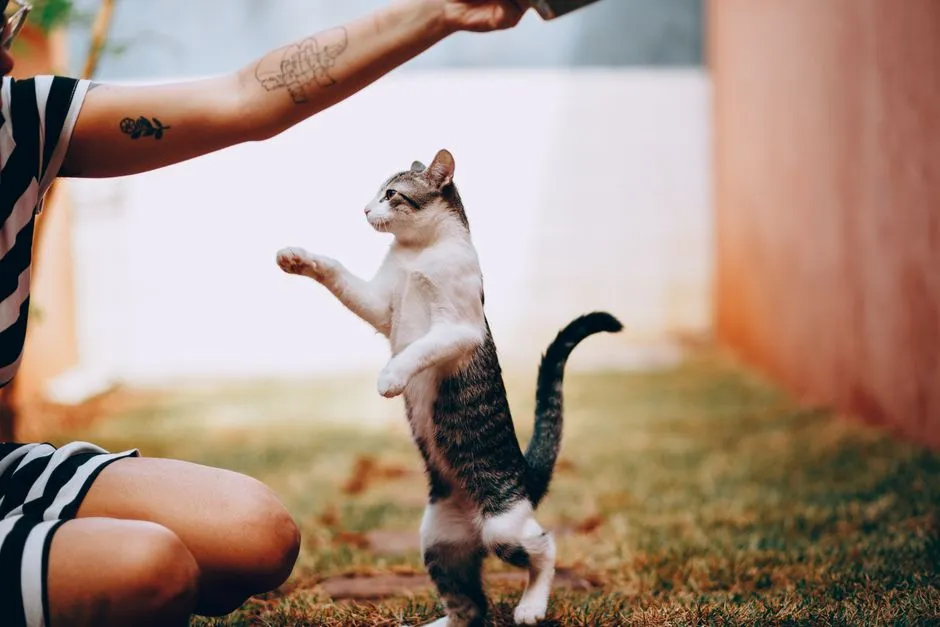
Dog owners are used to a certain rhythm: you say “sit,” the dog sits; you say “come,” the dog comes, maybe with their whole body wagging. Try that with a cat and you may get a slow, unimpressed blink. Cats are capable of learning cues and tricks, but they don’t see much point in blind obedience. Their question is always, “What’s in it for me?”
Many cat owners end up teaching with positive reinforcement – treats, praise, and timing – without ever using words like “training.” A cat might come when called if it predicts food or affection, but it still reserves the right to ignore you if it’s busy sunbathing. It can feel less like giving commands and more like running a very small, very stubborn focus group.
6. Personal Space Is a Concept They Both Respect and Destroy

Dogs will happily invade your space, but usually in a straightforward way – jumping onto your lap, leaning against you, or flopping at your feet. Cats are more strategic. One minute they’re acting like they barely know you, and the next they’re walking across your laptop, sitting on your book, or positioning themselves exactly where your hand needs to be. It’s like living with a roommate who dramatically doesn’t believe in your schedule.
Ironically, the same cat that just sat on your face at 4 a.m. might bolt if you scoop them up when they’re not in the mood. They want to be the one to initiate contact, not have it imposed on them. Once you accept that, you start to appreciate the moments they choose you, instead of taking constant access for granted like many dog owners do.
7. Climbing and Vertical Territory Change Everything
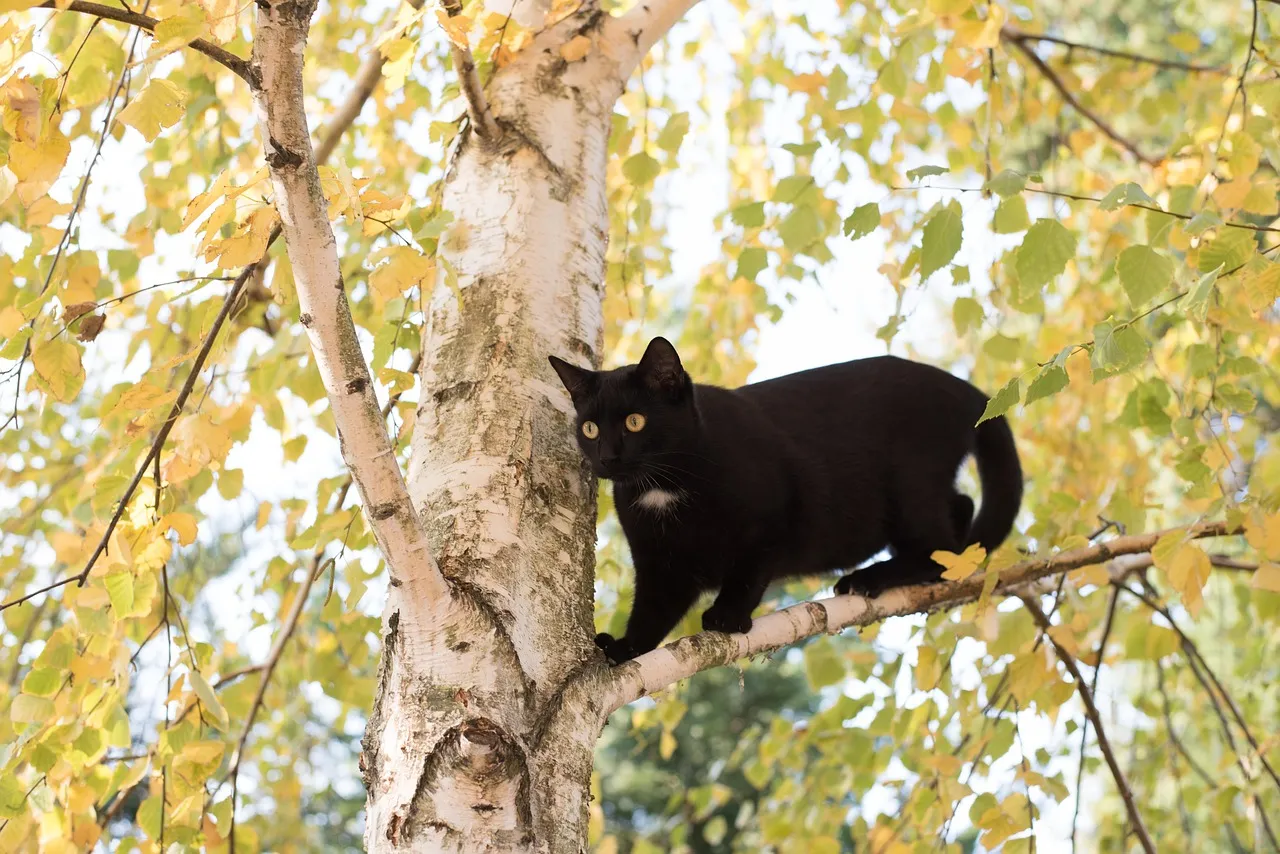
If you’ve only had dogs, you’re used to a basically two-dimensional pet – your world and theirs share the same floor. Cats add a third dimension overnight. Suddenly, bookshelves, the back of the sofa, the fridge, and the top of the wardrobe are part of your animal’s territory. They don’t just live in your home, they occupy it like a tiny parkour athlete with opinions about gravity.
This vertical life isn’t just about mischief; it’s about security and control. Many cats feel safer when they can perch up high and survey the room. Providing cat trees, shelves, or safe ledges can change their whole mood. For dog people, it’s surprising how much happier a cat can become just by gaining ten extra inches of altitude.
8. The Litter Box Is a Whole Culture, Not Just a Toilet
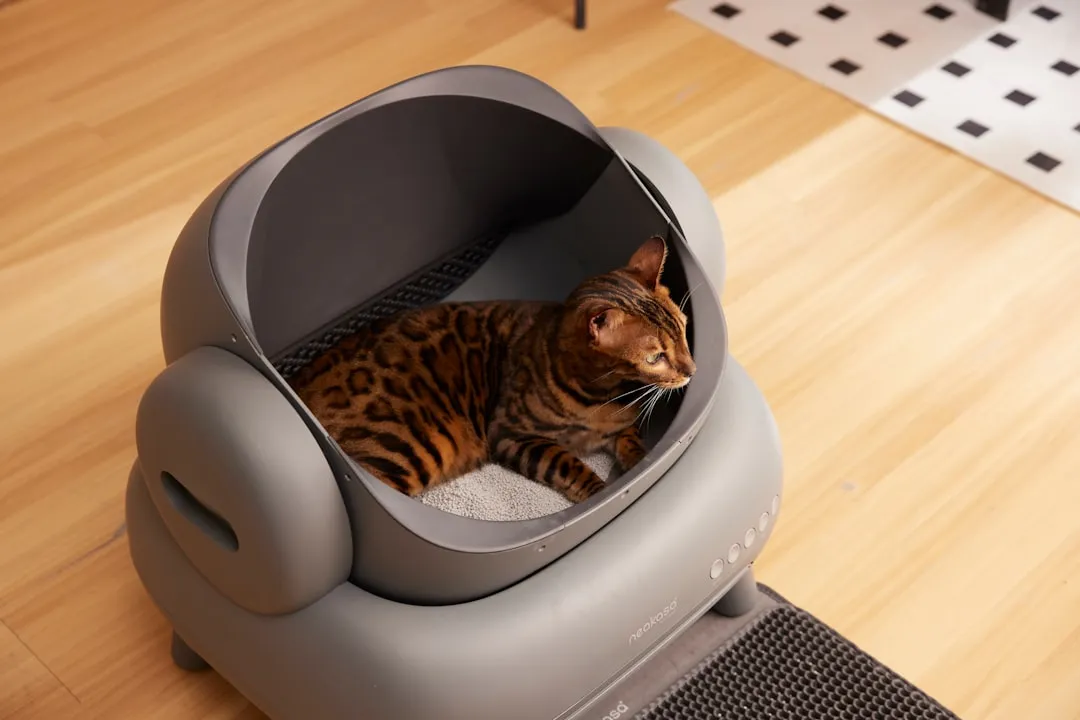
Walking your dog means one simple rule: outside is bathroom land, bags are your friend, job done. With cats, the litter box is an ecosystem with serious expectations. The location, type of litter, depth, and cleanliness all matter more than most dog owners expect. If you slack off scooping, many cats will complain with their behavior long before they forgive you.
On the flip side, a well-maintained litter box can make life incredibly convenient. You never have to go out in the rain for bathroom breaks, and most indoor cats naturally adopt regular habits without much training. The price of this convenience, though, is that you become the full-time caretaker of an opinionated sand pit.
9. Nighttime Zoomies Are Not Malfunctions, They’re Instincts
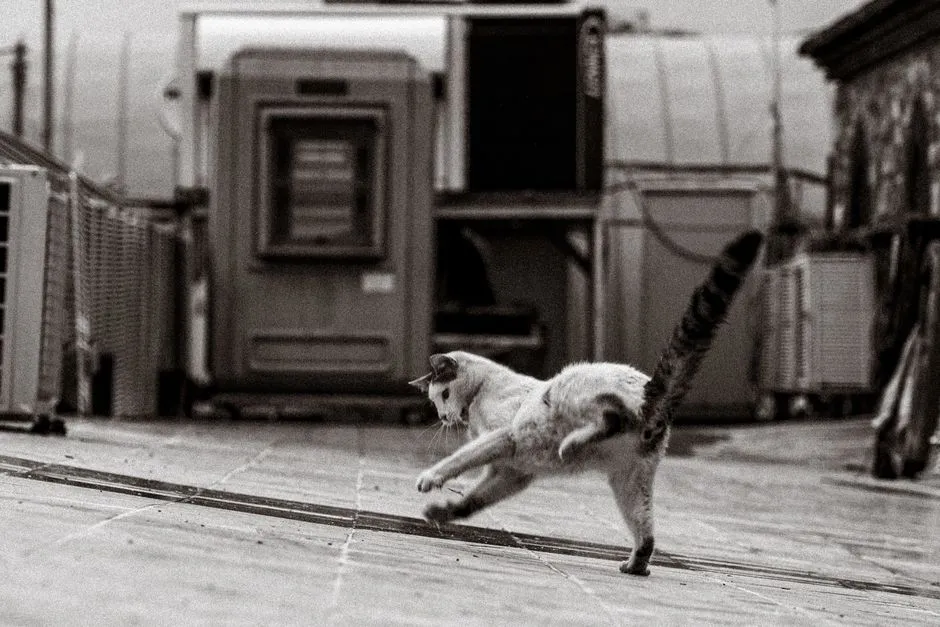
Dog people are often stunned the first time their cat explodes through the house at 2 a.m. for no obvious reason. One moment all is calm, and the next they’re sprinting down the hallway, skidding on floors, and bouncing off furniture like a pinball. It can sound like you accidentally adopted a tiny horse.
These “zoomies” are often tied to pent-up energy and natural hunting rhythms, since many cats are crepuscular by instinct – most active around dawn and dusk. If they’ve napped all day and not played enough in the evening, that energy needs an outlet. Once you realize this, changing your play schedule and routine can shift the chaos to less sleep-destroying hours.
10. Grooming Is a Full-Time Job – and Sometimes a Love Language
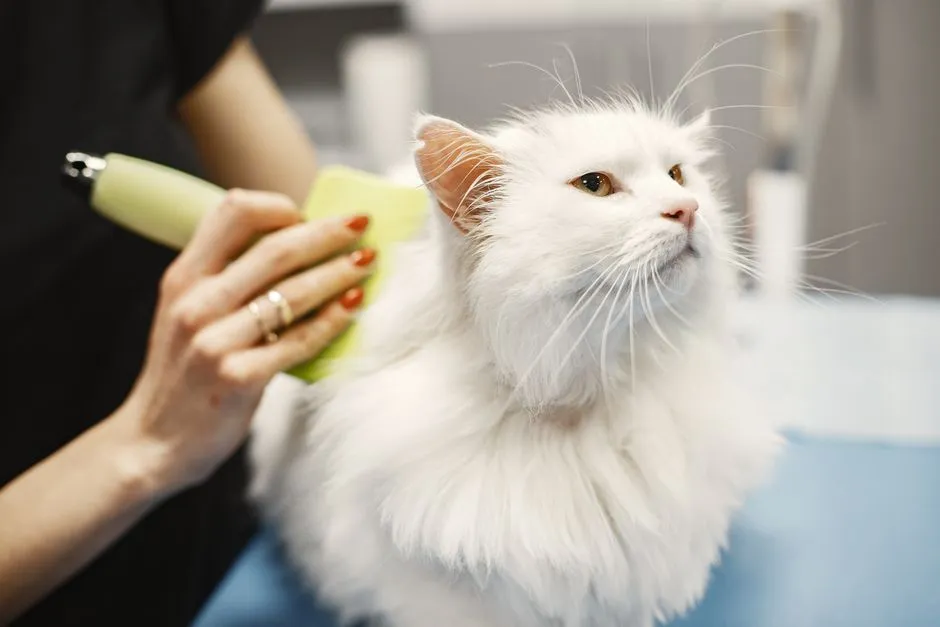
Cats spend a surprisingly large chunk of their day grooming themselves. To a dog owner, this might seem like vanity or fussiness, but for cats it is serious business. Grooming helps regulate body temperature, keeps their coat in good shape, and even has a calming effect. A relaxed cat methodically washing a paw or tail is basically doing a built-in spa routine.
When a cat grooms you – licking your hand or nibbling gently at your hair – that can be a sign they consider you part of their social group. It is not always comfortable, and cat tongues are famously rough, but it’s often meant as bonding. You might feel like a badly-designed kitten, but in their mind, they’re taking care of one of their own.
11. Subtle Body Language Replaces the Obvious Dog Signals
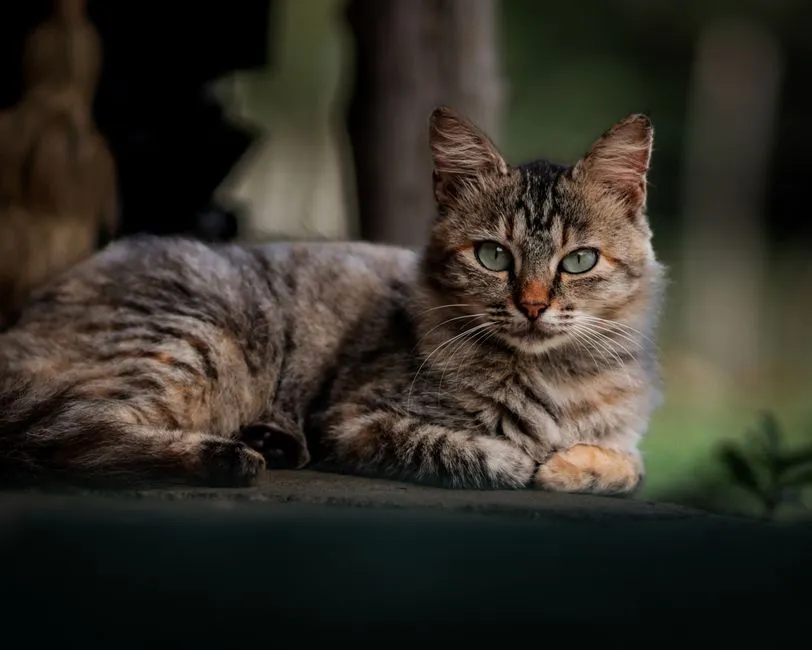
With dogs, you often get clear visual cues: wagging tail, perked ears, goofy grin, or tucked tail and lowered head. Cats are much more understated. A slightly twitching tail tip, flattened ears, dilated pupils, or a small change in whisker position can mean a lot. At first, it feels like trying to understand a new language spoken entirely in micro-movements.
Once you learn to read those signals, though, your relationship changes dramatically. You start to catch the difference between playful swats and truly irritated ones, between an alert curiosity and an anxious stare. It becomes less like living with a moody mystery and more like having a quiet friend whose expressions you finally understand.
12. Independence Does Not Mean They Don’t Need You
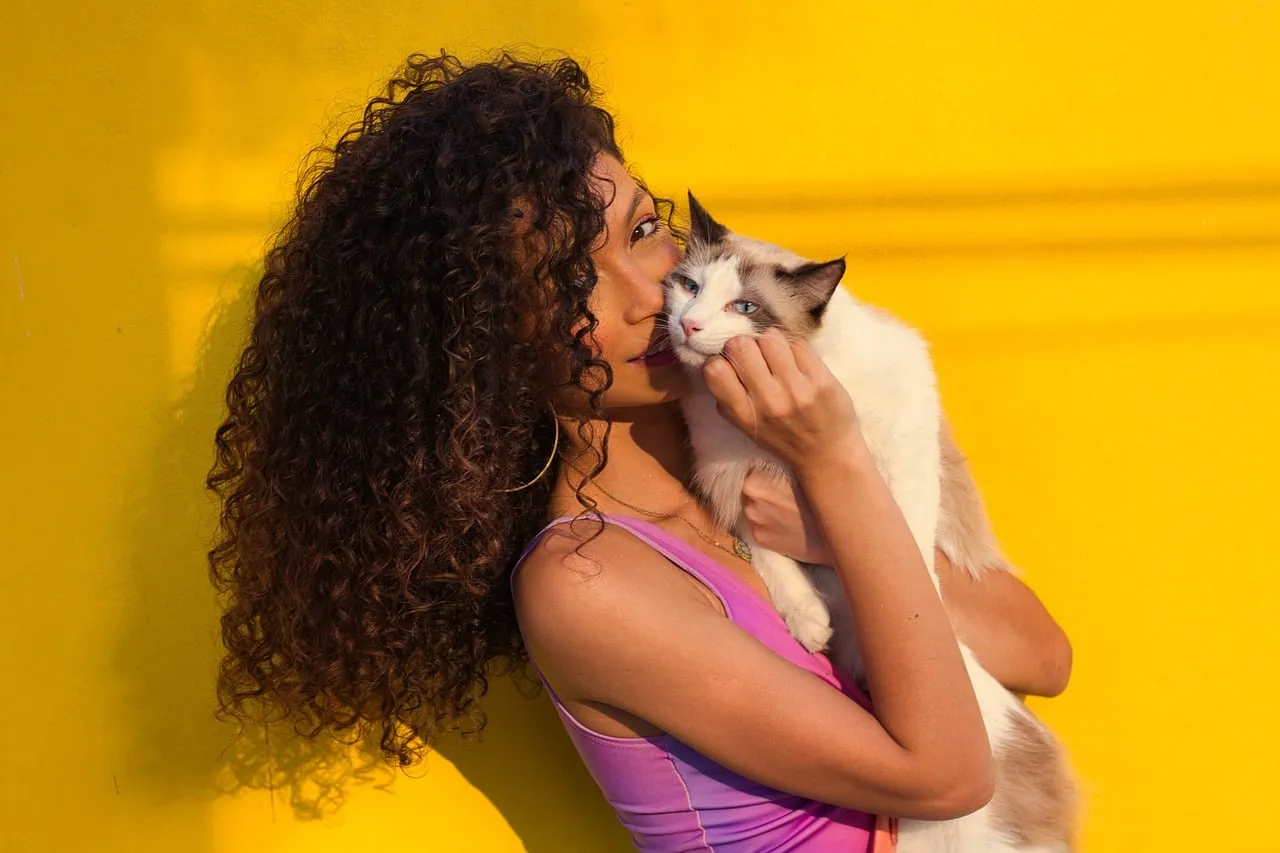
Because cats can entertain themselves and don’t require walks, many people assume they are low-effort, low-attachment pets. From a dog owner’s point of view, a cat that naps alone for hours might seem emotionally distant. But a lot of cats are simply more self-contained, not less attached. They can form strong bonds without demanding constant interaction.
Plenty of cats greet their humans at the door, meow for attention, or become stressed when their routine changes. They may not be as outwardly dramatic about it as dogs, but separation and loneliness can affect them deeply. The independence is real in terms of day-to-day care, yet emotionally, they often need stability and connection just as much.
13. Scratching Is Not Misbehavior, It’s a Non-Negotiable Need
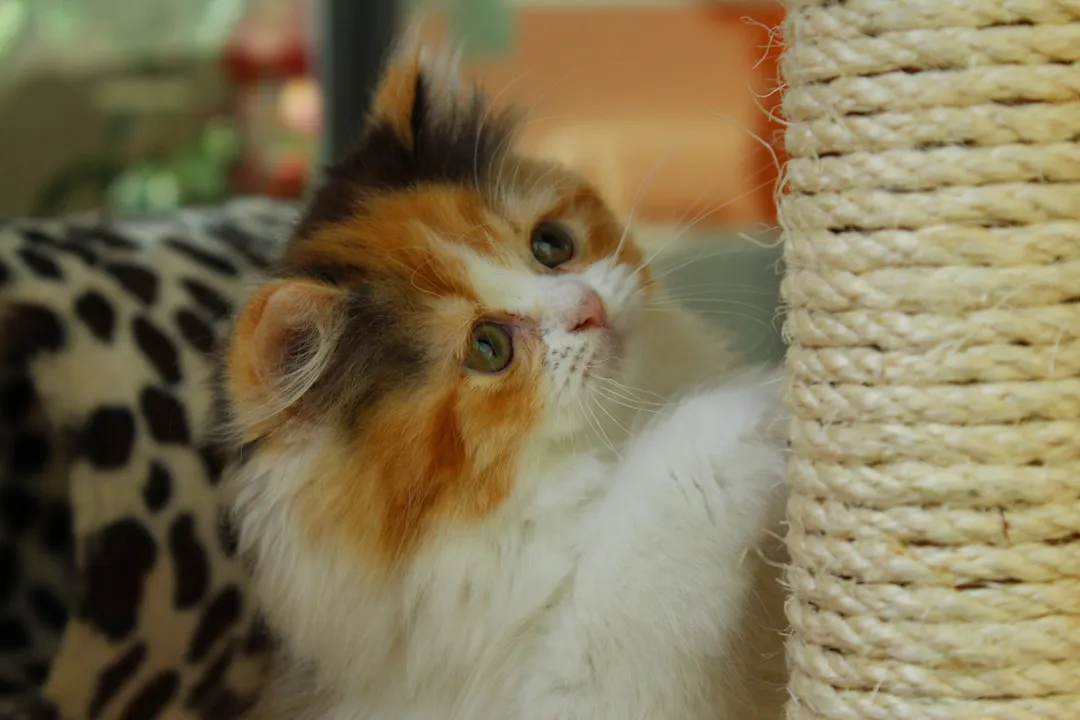
If a dog chews your shoes, you immediately see it as a problem to solve. When a cat scratches your sofa, the reaction is often the same – anger, frustration, maybe a stern telling-off. But scratching is hardwired for cats. It helps them stretch, maintain their claws, and mark territory through scent and visual cues.
The trick is not to stop scratching altogether, but to redirect it. Sturdy scratching posts, cardboard scratchers, and smart placement near favorite napping spots can protect your furniture more than scolding ever will. For lifelong dog owners, it’s a mindset shift from punishing “bad behavior” to providing acceptable outlets for natural instincts.
14. Food Is Routine, Ritual, and Sometimes Negotiation
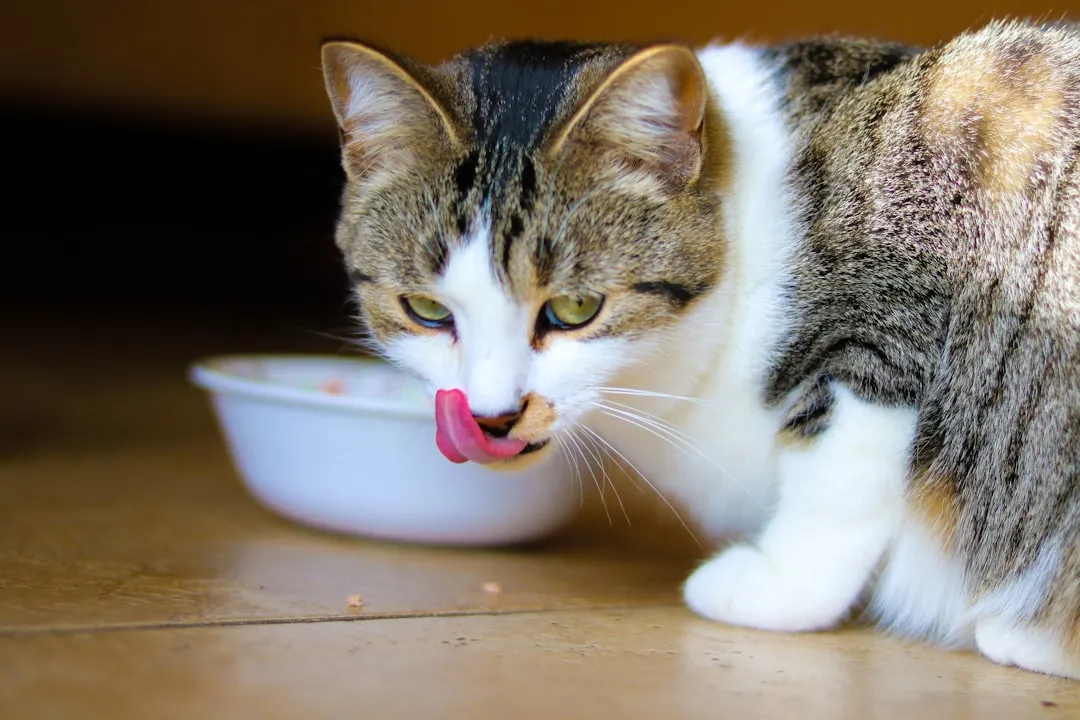
Dogs often inhale whatever you put in their bowl and then look offended that it’s gone. Many cats are far pickier and more routine-driven. They notice if the brand, texture, or even bowl location changes. Some will flat-out refuse a meal that doesn’t meet their inexplicable standards, turning dinner into a quiet but intense standoff.
At the same time, their feeding schedule can become a powerful anchor in their day. Regular mealtimes, portion control, and the right kind of food matter a lot for their long-term health. For former dog-only owners, the level of subtlety and strategy in cat feeding can feel closer to running a tiny, high-stakes restaurant for one moody critic.
15. They Bond With the Environment Almost as Much as With You
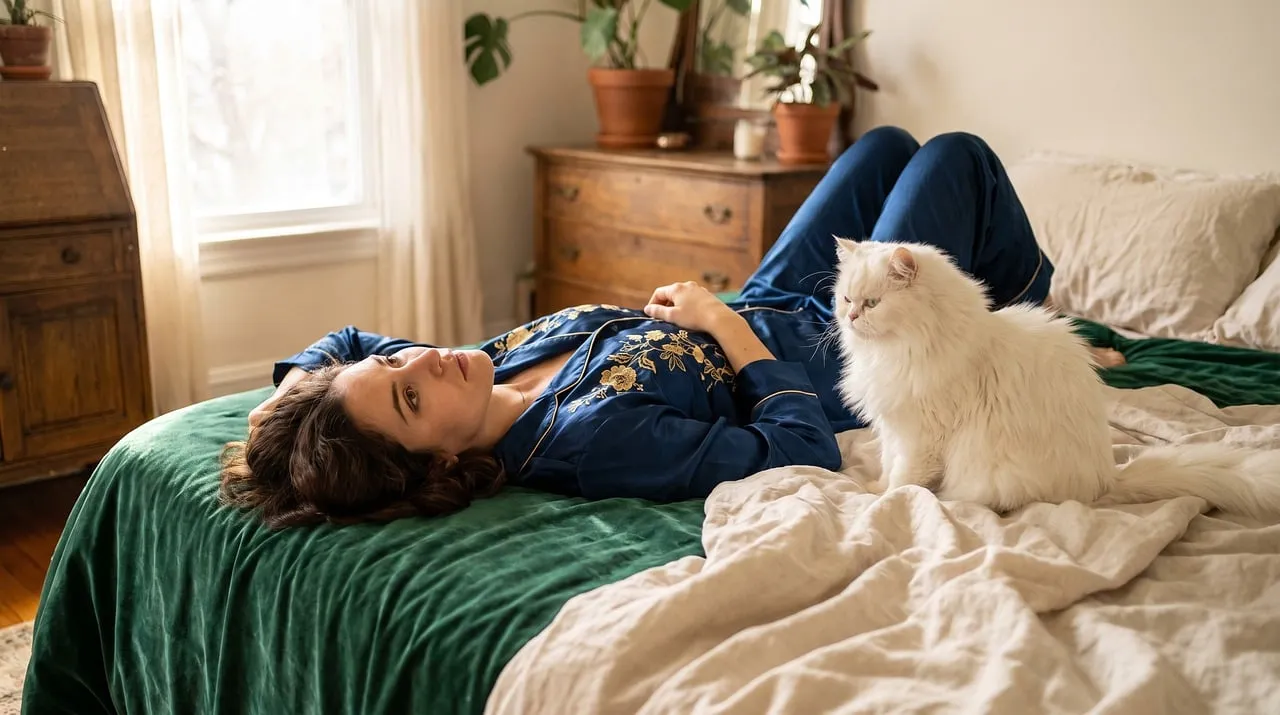
Dogs mostly attach themselves to people; as long as you’re there, they’re home. Cats, on the other hand, often bond strongly with their territory. The specific smells, hiding spots, window views, and favorite sun patches all become part of their sense of safety. Moving house or changing furniture can throw them off more than many dog owners expect.
This attachment to place explains why some cats hide for days in a new home or act unsettled when their environment shifts. Familiar blankets, beds, and scents can help ease that transition. It is a reminder that with cats you are not just caring for an animal, you are also curating a space that lets them feel in control and secure.
16. Quiet Moments Together Mean More Than Big Performances
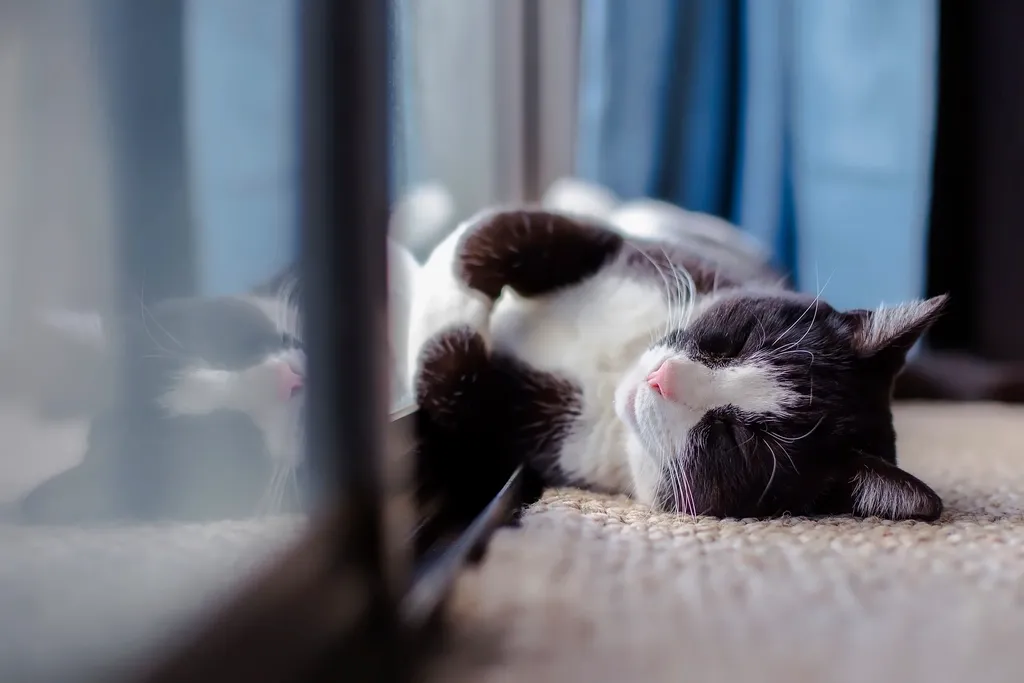
Dog love is often loud and obvious – zooming, licking, leaning, tail wagging so hard the whole body follows. Cat love can look incredibly understated by comparison. A cat choosing to nap with its back touching your leg, resting a paw on your arm, or curling beside you rather than on you may not feel dramatic, but in their world, it is powerful.
Those small choices add up over time, especially when you remember that this is a species that prizes caution and control. When a cat relaxes around you so fully that they expose their belly, sleep deeply in your presence, or quietly follow you to bed, it means trust. You stop chasing big gestures and start appreciating the quiet, steady ones that build slowly.
17. You Don’t Own a Cat So Much as You Enter a Long-Term Partnership
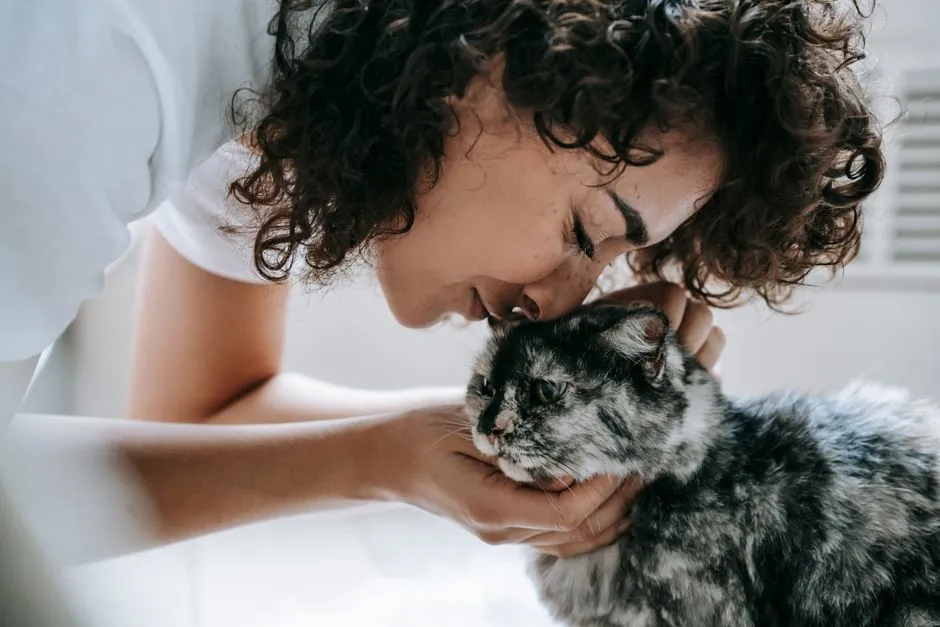
Dog owners are used to the concept of “owning” a pet that looks to them for direction and leadership. With cats, that framework falls apart pretty quickly. You feed them, care for them, and pay the vet bills, but emotionally it feels a lot closer to an ongoing negotiation between equals – one of whom happens to knock things off counters for fun.
The surprising part is how satisfying that partnership can become. You earn a cat’s trust instead of assuming it, and you learn to respect their preferences rather than shaping everything to yours. Over time, the relationship feels less like managing a pet and more like sharing your home with a small, opinionated roommate who, against all odds, decided that you are their person.
Conclusion: Why Dog People Fall So Hard for Cats Once They “Get” Them
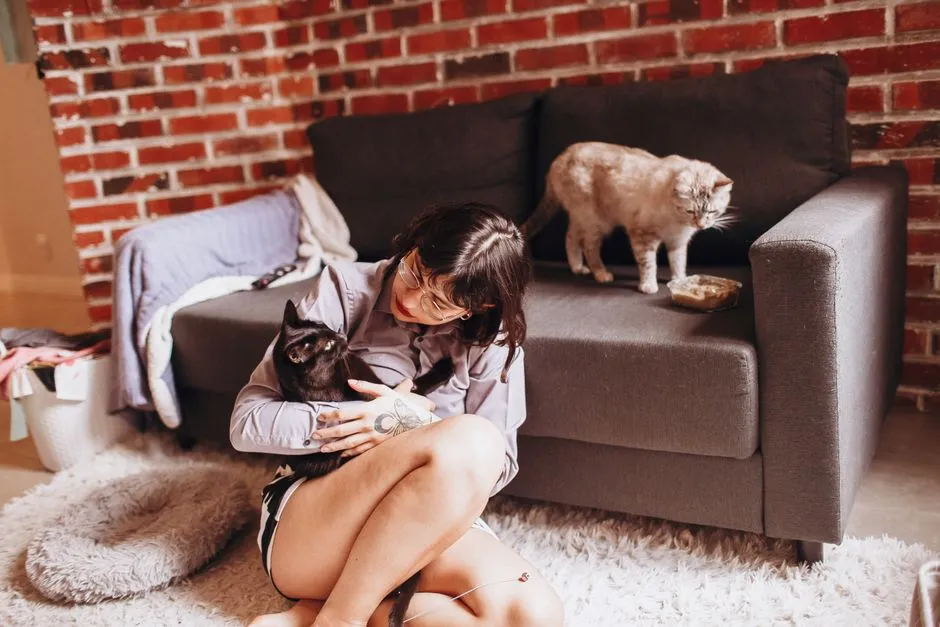
Living with cats after a lifetime of dogs can feel jarring at first – less obvious loyalty, fewer instant responses, more baffling rituals. But underneath the mystery, there is a very real, very deep connection that just plays by different rules. You’re not the commander of a furry soldier; you’re the trusted human in a tiny predator’s inner circle, and that shift in dynamic is strangely addictive.
If you go in expecting a dog in a smaller, sharper body, you’ll be frustrated. If you let cats be fully themselves – independent, sensitive, territorial, hilarious – you start to see how rich the relationship can be. In my opinion, once a dog person truly clicks with a cat, they never look at animals in the same way again. So, now that you’ve peeked behind the curtain of cat reality, do you still think they’re aloof – or are you a little more tempted to let one quietly take over your sofa?
