


Many animals that played an integral role during the Civil War. This pivotal time in American history was not just a human endeavor, but a multifaceted saga where animals were indispensable – a fact that is sadly often overlooked. But not anymore! Here are ten animals that had a profound impact on the Civil War:
1. Horses

🔥 Would you like to save this?
We'll email this post to you, so you can come back to it later!
Horses were the backbone of the cavalry and artillery units. Their bravery and endurance were vital to both the Union and Confederate armies, as they carried soldiers into battle, pulled cannons around, and were a crucial part of achieving swift communication across battlefields.
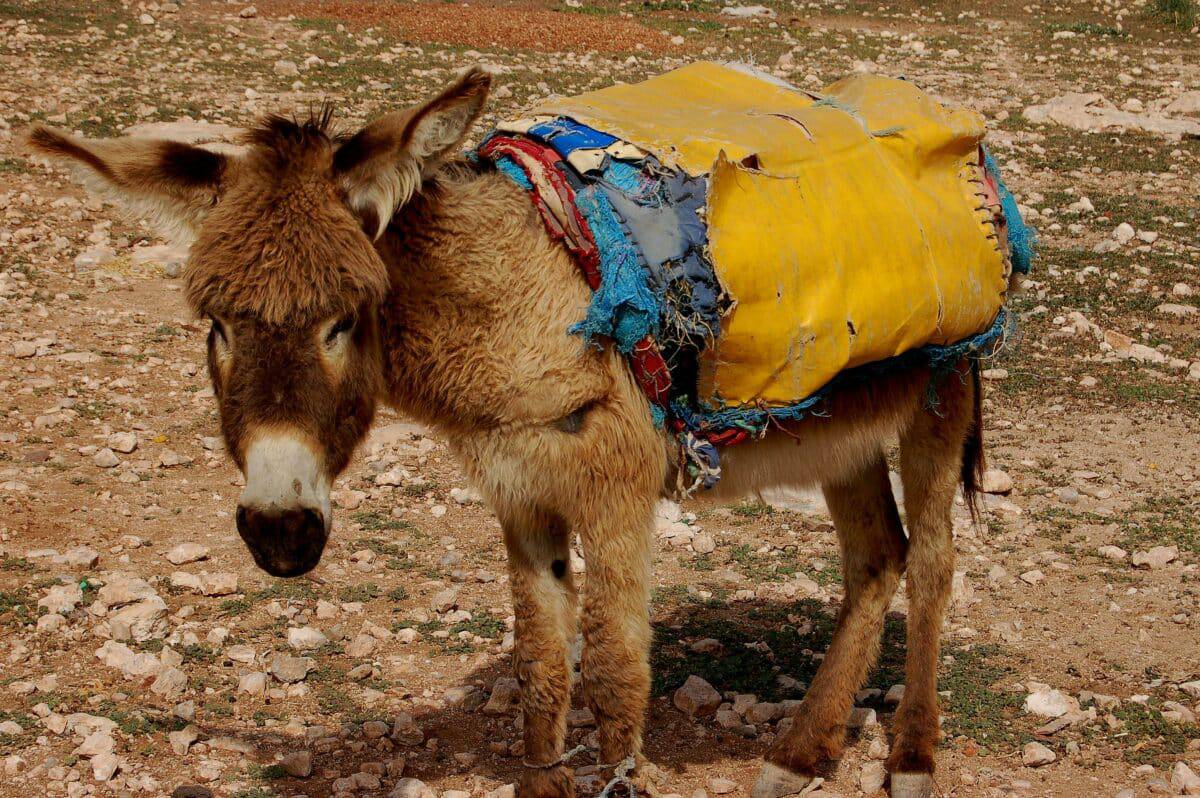
2. Mules
🔥 Would you like to save this?
We'll email this post to you, so you can come back to it later!
Mules were the unsung heroes of logistics. These hardy creatures transported ammunition, supplies, and at times even wounded soldiers. This, along with their ability to manage the unruly terrains of the South made them invaluable during those turbulent times.
3. War Dogs

🔥 Would you like to save this?
We'll email this post to you, so you can come back to it later!
War dogs had many purposes during the Civil War. Not only did they act as messengers, guards, and mascots boosting troop morale. They offered solace to soldiers longing for their homes by being themselves – loyal companions.
4. Pigeons

🔥 Would you like to save this?
We'll email this post to you, so you can come back to it later!
Carrier pigeons were used for communication in times when other means were impossible. These pigeons’ speed and reliability saved many lives through their ability to convey urgent messages across enemy lines.
5. Camels

🔥 Would you like to save this?
We'll email this post to you, so you can come back to it later!
A lesser-known fact is that camels were used as an experimental means of transport in the Southwest. Their ability to carry heavy loads over far distances, without needing a lot of water, was seen as highly advantageous in dire conditions.
6. Cattle

🔥 Would you like to save this?
We'll email this post to you, so you can come back to it later!
Nourishing large armies requires a substantial amount of food, and cattle played a significant role in meeting this demand. Herds were driven over long distances to provide soldiers with beef, sustaining them throughout the war. Additionally, the control of cattle herds emerged as a strategic consideration during the conflict
7. Chickens

🔥 Would you like to save this?
We'll email this post to you, so you can come back to it later!
As mentioned, the vast armies needed to be fed and small chicken flocks were often kept at the camps to do just so. Ensuring a reliable supply of meat and eggs in times when supply lines were uncertain.
8. Canaries

🔥 Would you like to save this?
We'll email this post to you, so you can come back to it later!
Canaries were more used for soldier morale than war. Canaries, and other songbirds, were often kept by soldiers as companions acting as a reminder of home in the harsh battlefield environment.
9. Cats

🔥 Would you like to save this?
We'll email this post to you, so you can come back to it later!
Cats – the protectors of food. Cats were commonly kept around camps and on naval ships, as they hunted rodents that could damage food supplies.
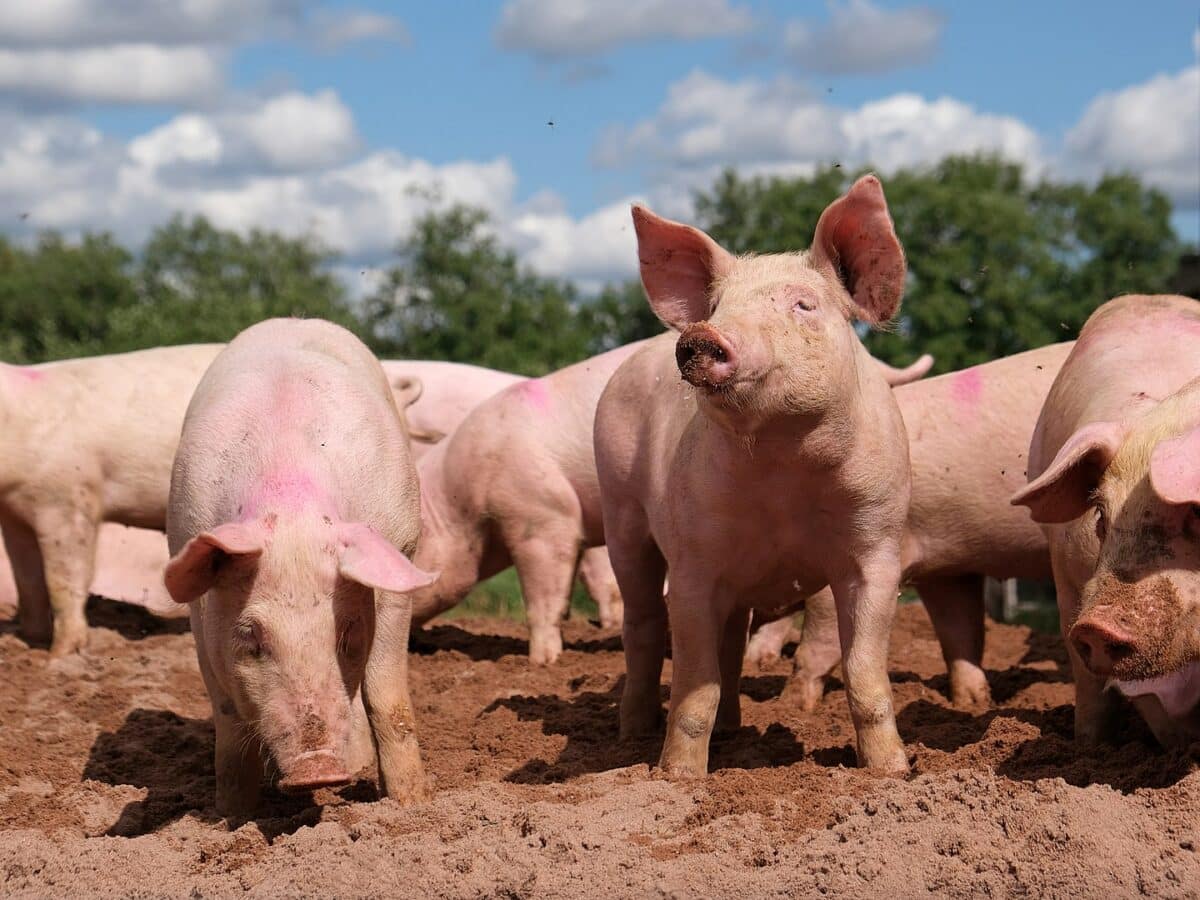
10. Pigs
🔥 Would you like to save this?
We'll email this post to you, so you can come back to it later!
Pigs. Image via Pexels.
Final Reflection on Animals in the Civil War
On this Confederate Memorial Day, let’s not only honor the soldiers’ contributions but also acknowledge the silent companionship of animals who stood beside them during this pivotal moment in the nation’s history. Whether offering solace to homesick soldiers or courageously charging into battle, these animals underscore the profound bonds between humans and animals

Please send any feedback to feedback@animalsaroundtheglobe.com
- What Would Happen If These Florida Spiders Bite You - October 30, 2026
- Have You Ever Seen A Leopard Fall Asleep? - October 29, 2026
- A South African Safari Must – Crossing Lodges in the UNESCO Waterberg Biosphere - October 24, 2026