
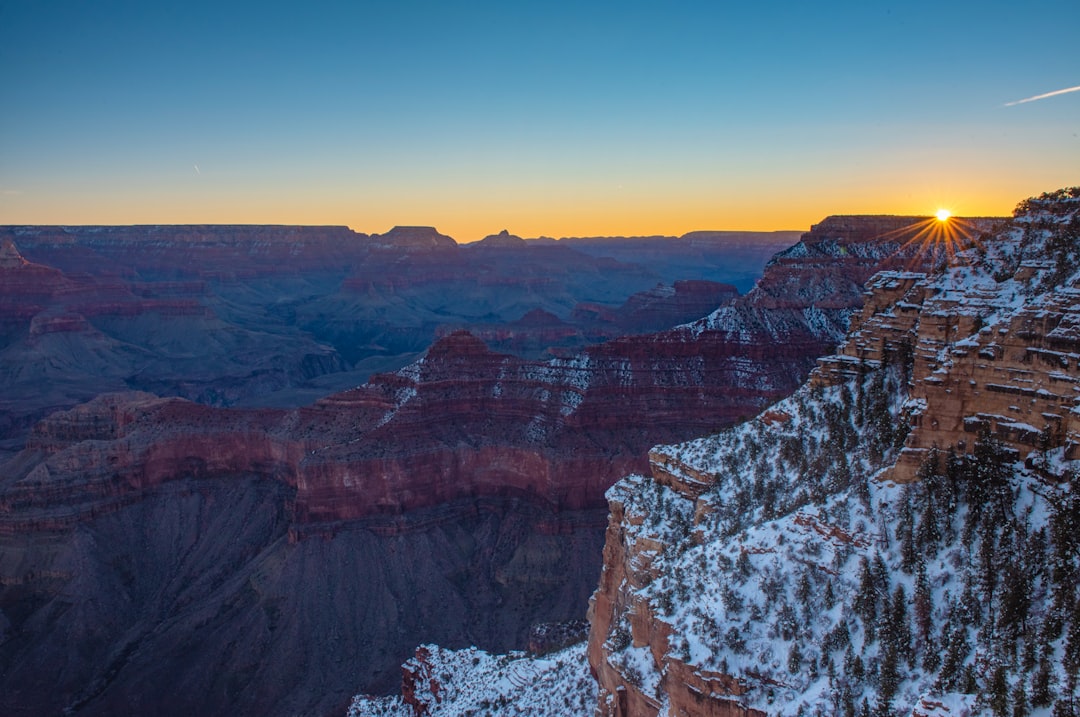
Think Arizona, and you’re probably imagining cactus-studded deserts, scorching summer heat, and maybe the Grand Canyon. Snow? That seems like a stretch. Most people outside of the Southwest are genuinely shocked to hear that you can hit the slopes in a state famous for temperatures that regularly soar past triple digits. Yet here’s the thing that so many visitors overlook: Arizona’s diverse landscape means winter weather varies wildly depending on where you are, and some parts of the state actually receive impressive snowfall every single year.
You might be surprised to discover that certain Arizona cities rank among the snowiest in the entire United States. If you’re planning a winter getaway or simply curious about where to find snow in the Grand Canyon State, you’re in for some fascinating revelations.
Arizona’s Surprising Winter Reality
While Arizona is known for its natural wonders, desert landscapes, and extreme heat in summer, the Grand Canyon state actually sees snowfall in some areas, particularly in the northern and high altitude parts of the state. The contrast is striking. You could literally be wearing shorts in Phoenix while just two hours north, people are bundling up in heavy coats and brushing snow off their cars.
Flagstaff sits at about 7,000 feet above sea level, which is 2,000 feet higher than Denver. That elevation makes all the difference. When storm systems roll through Arizona, what falls as rain in lower desert cities transforms into substantial snowfall in the mountains and high plateaus of the north. Larger populated cities in the southern part of the state, such as Tucson and Phoenix, are also known to receive a light dusting of snow from time to time, however, it usually doesn’t last long as the temperatures aren’t cold enough for it to stick to the ground for longer than 24 hours.
Flagstaff: Arizona’s Undisputed Snow Champion
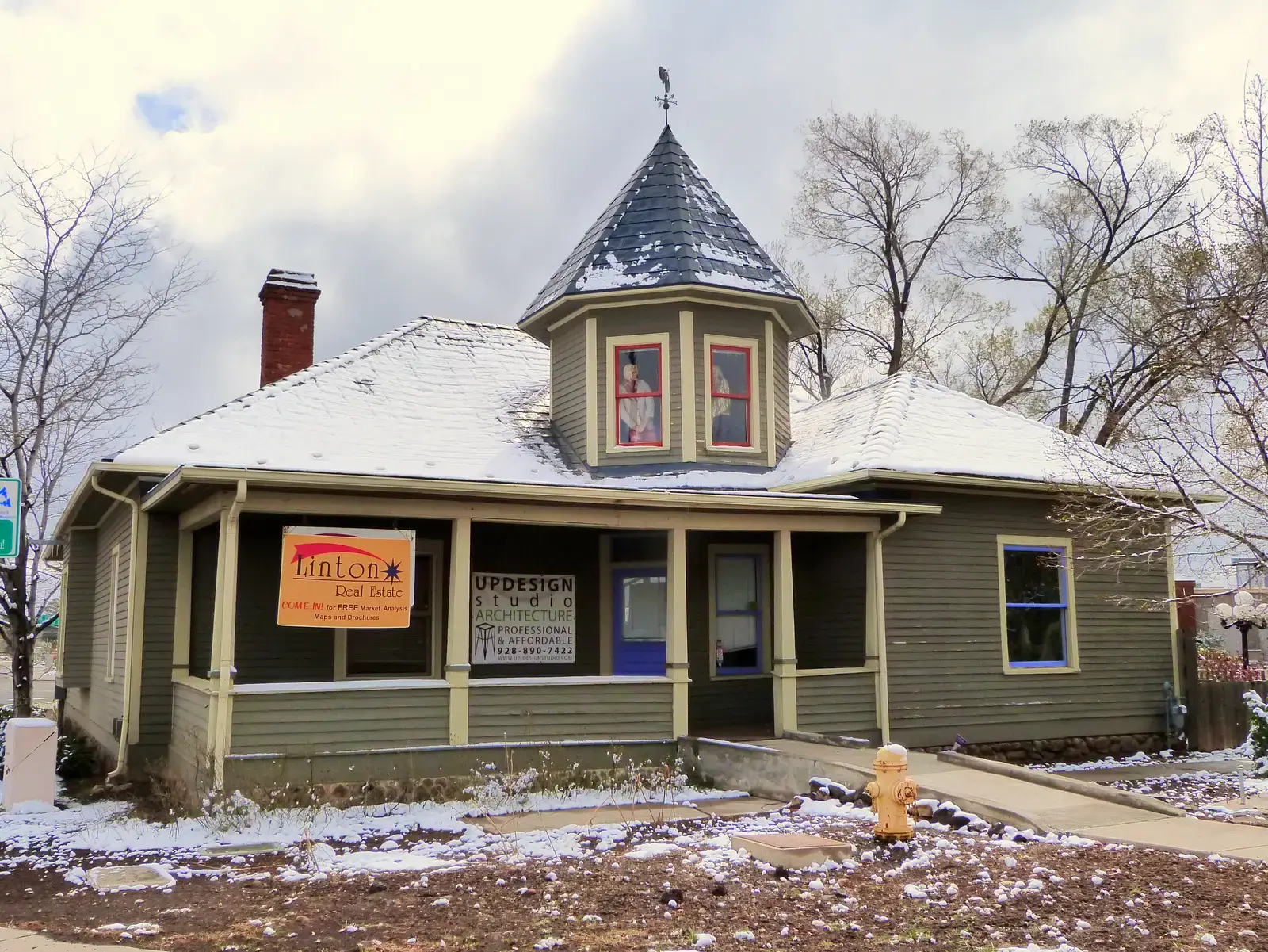
Flagstaff, Arizona is the 8th snowiest city in the U.S. Let that sink in for a moment. Not in the top twenty. Not somewhere on the list. Number eight. At 7,000 feet above sea level, and with an average annual snow fall of over 100 inches, Flagstaff is one of the snowiest cities in the United States.
January of 2023 was the third snowiest month on record, with more than 60 inches of snowfall! This mountain town transforms into an authentic winter wonderland, complete with snow-laden ponderosa pines and crisp, freezing air. Flagstaff used to average about 100 inches of snow a season, but the average between 1991 and 2020 dropped to about 90 inches. Still, that’s an absolutely massive amount compared to what most Americans experience.
The city even has its own Snow-ometer on its website, giving residents and visitors real-time updates on accumulation throughout the area. It’s hard to think of many other places that proudly embrace their snowy reputation quite like this Arizona city does.
Arizona Snowbowl: Where Arizona Skis
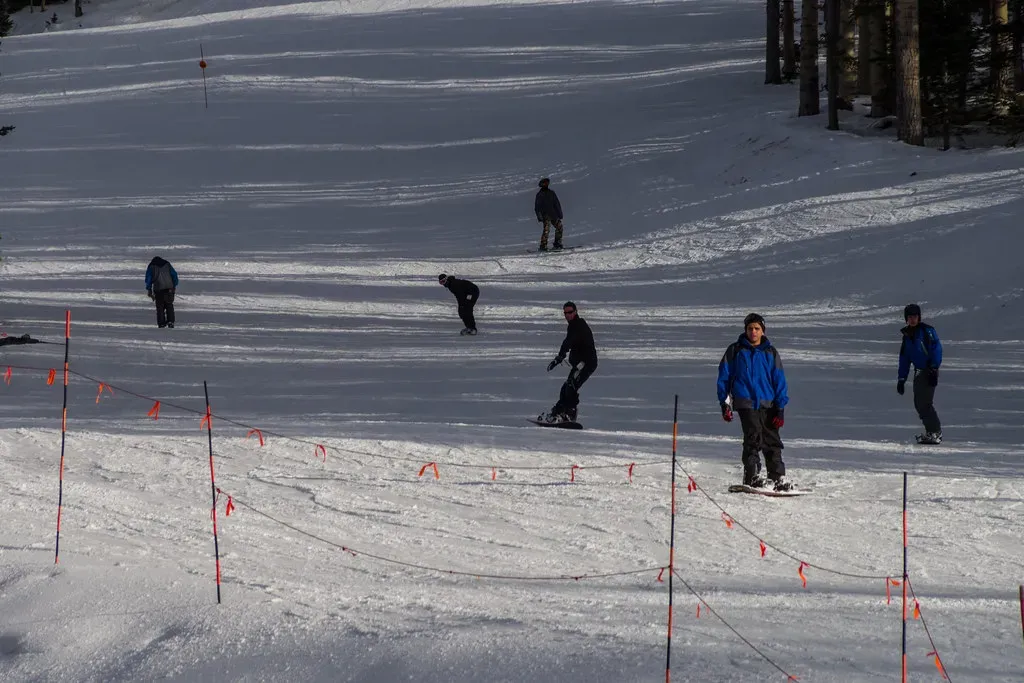
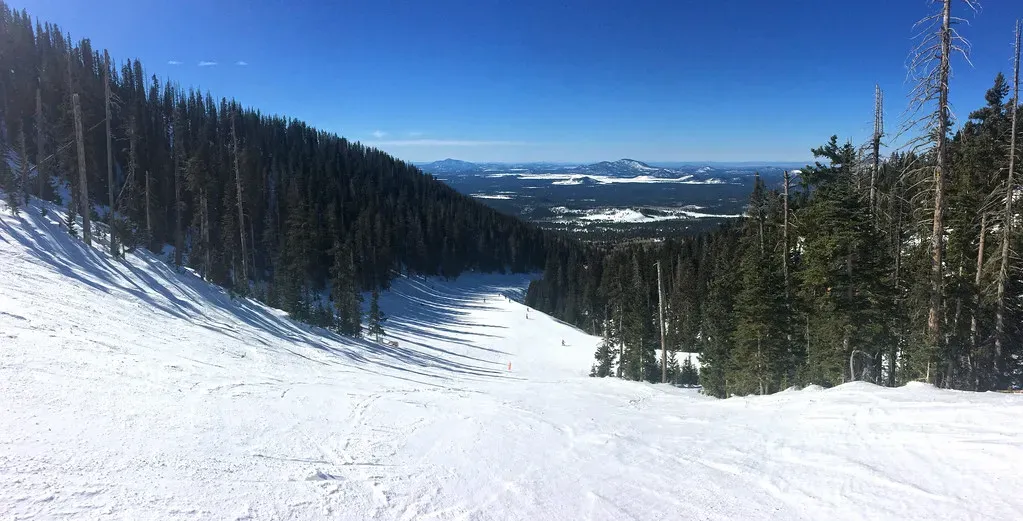
Arizona Snowbowl ski resort is home to 260 inches of average snowfall, 2,300 ft. vertical drop, and the largest beginner terrain in the Southwest. Located just twelve miles outside of Flagstaff on the western slopes of Mount Humphreys, this ski area has been operating since 1938. That makes it one of the oldest continuously run ski areas in the country.
The ski area has State-of-the-art snowmaking to help guarantee a season from mid-November through mid-April to enjoy 777 acres, eight lifts and great amenities. What really sets Snowbowl apart is the view. You can literally see the Grand Canyon’s rim from the lifts on a clear day, along with Sedona’s famous red rocks. Last season was actually the longest season ever, opening two weeks early on Nov. 8, which was the earliest opening ever, and staying open all the way until June 1, which is absolutely crazy in Arizona.
The vertical drop and varied terrain make it suitable for all skill levels, from nervous beginners to adrenaline-seeking experts looking for challenging runs through the high-altitude forest.
The Grand Canyon’s Snowy North Rim
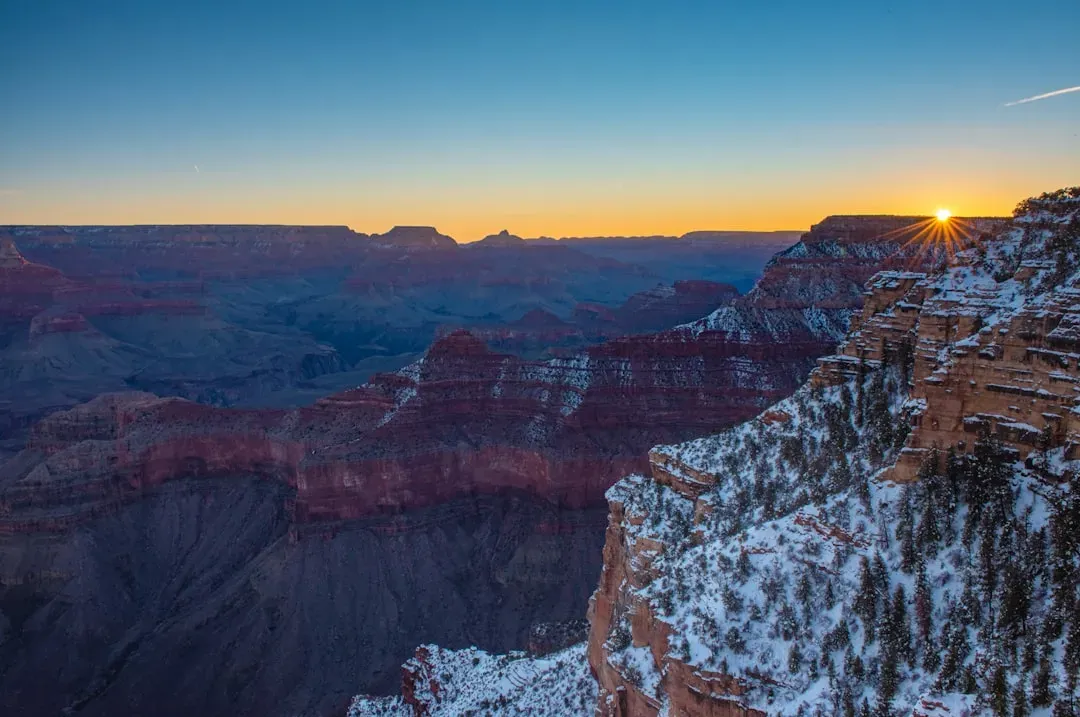
You might not associate the Grand Canyon with winter weather, but you should. Located in northern Arizona, the Grand Canyon gets so cold that, in winter, park officials close its Northern Rim due to the dangers posed by the extreme cold and snow in that region of the park. This isn’t a light dusting, either.
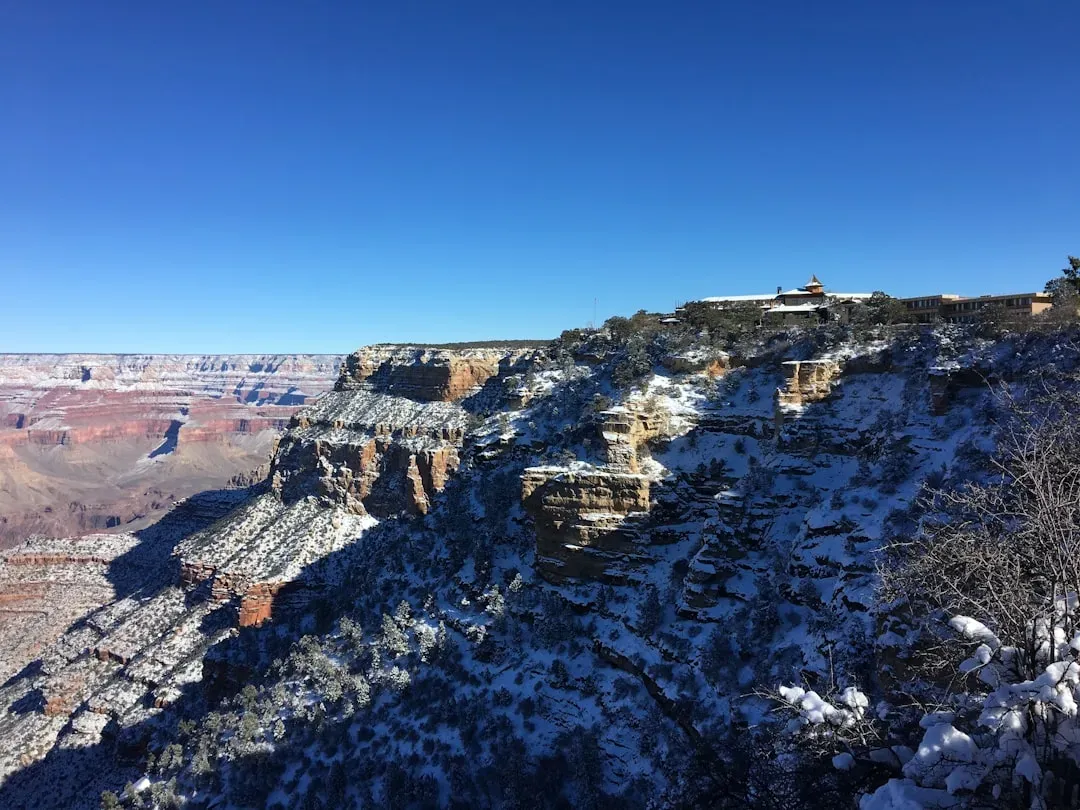
Hikers who climb the North Rim in winter could find themselves buried in snow, as the average annual snowfall in the region is 142 inches, while on the South Rim, it’s only 58 inches. That’s nearly twelve feet on the North Rim. The South Rim stays open year-round and offers a completely different experience when dusted with snow. The contrast between the rust-colored canyon walls and pristine white snow creates breathtaking photo opportunities that most visitors never see.
Winter visits to the Grand Canyon are quieter, more peaceful, and honestly, more magical than the crowded summer months. Just be prepared for genuinely cold temperatures and potentially icy trails.
The White Mountains and Sunrise Park Resort
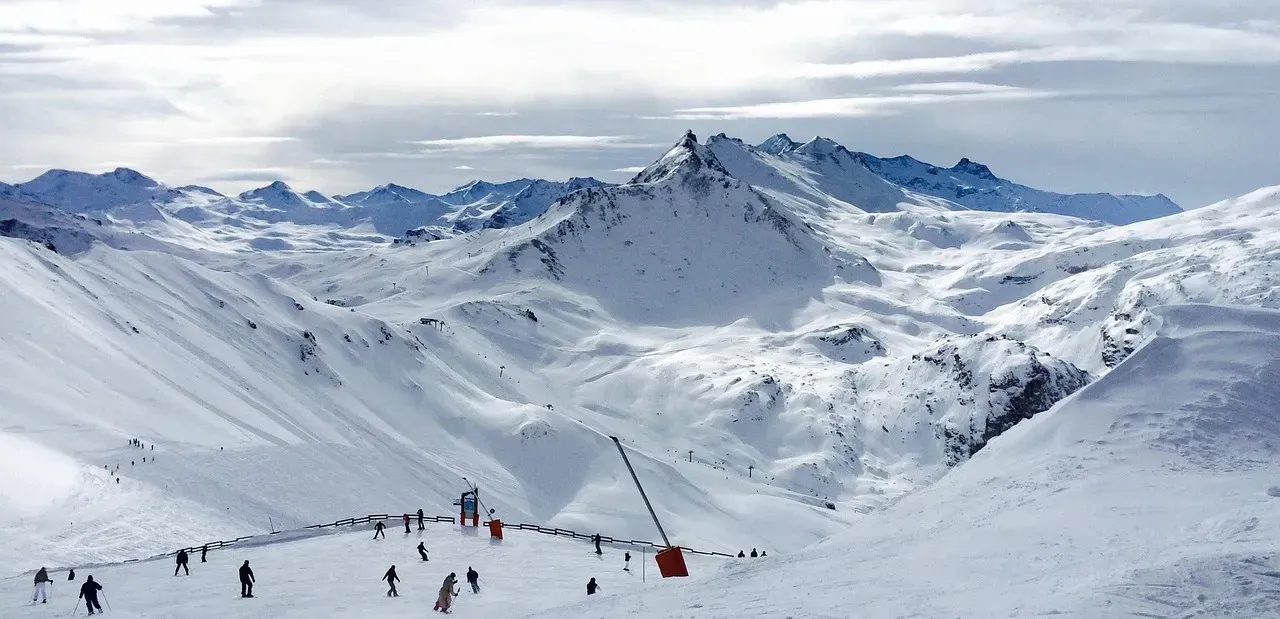
Heading east from Flagstaff, you’ll find another major snow destination in Arizona’s White Mountains. This region includes towns like Greer, Pinetop-Lakeside, and Show Low, all of which see substantial winter snowfall. Sunrise Park Resort has an annual snowfall of 250 inches.
The resort covers 600 skiable acres with a vertical drop of 1,800 feet. It’s Arizona’s largest ski area by acreage, offering a legitimate mountain resort experience with ten lifts and terrain suitable for all abilities. The White Mountains also attract cross-country skiers, snowmobilers, and snowshoers looking to explore the backcountry.
Greer, a tiny mountain village in this region, maintains that quaint, untouched charm that feels worlds away from urban Arizona. When snow blankets the tall pines and historic cabins, it’s easy to forget you’re in a state known primarily for deserts.
Mount Lemmon: Tucson’s Winter Escape
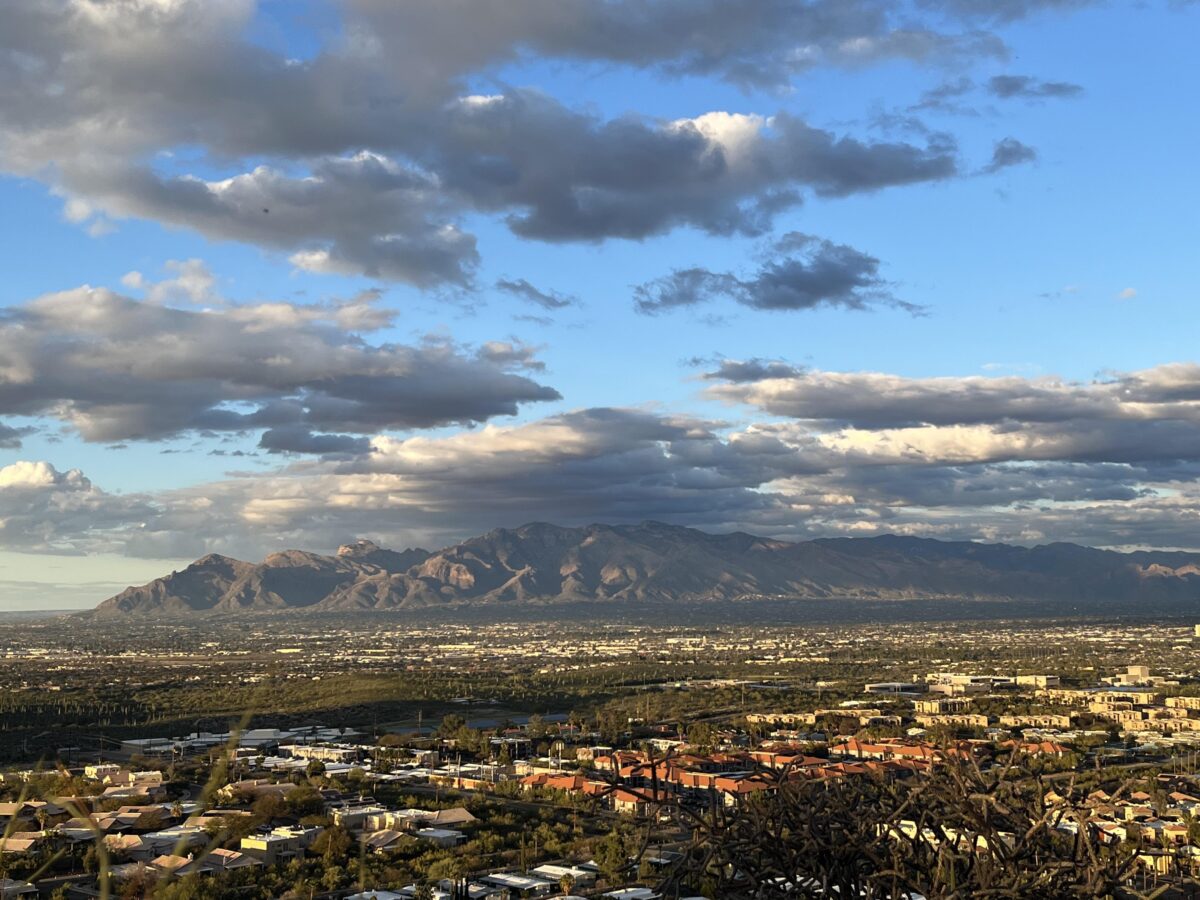
Mount Lemmon Ski Valley is a resort on Mount Lemmon, which is an hour-long drive from Tucson in Southern Arizona. This makes it the southernmost ski destination in the United States. Think about that for a second. You can leave Tucson when it’s sunny and relatively warm, drive less than an hour up a winding mountain road, and arrive at a snow-covered ski resort.
Mt. Lemmon is not only one of the best things to do in Tucson, but it also one of the best places to see snowfall in Arizona, and the famous ski village is a winter wonderland during ski season. The elevation change is dramatic, climbing from about 2,600 feet in Tucson to over 9,000 feet at the summit of Mount Lemmon. That elevation gain creates completely different climate zones, and during winter, the upper elevations accumulate significant snowfall.
It’s not uncommon for Tucson residents to make quick trips up the mountain just to play in the snow for an afternoon before returning to the desert below for dinner.
Sedona’s Occasional Snow Dusting
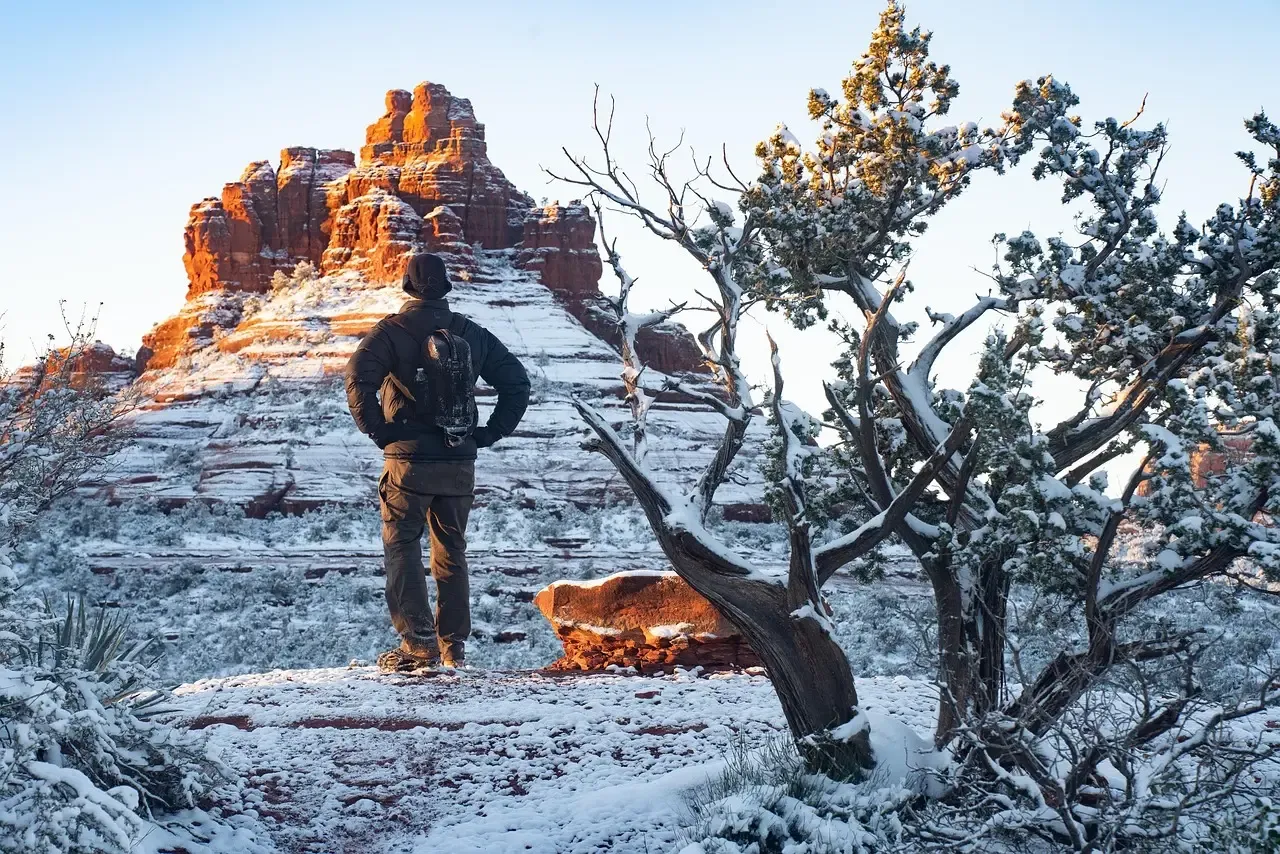
Sedona sits at a lower elevation than Flagstaff but still high enough to occasionally see snow. Sedona, which is only a little more than an hour north of Phoenix, sees a few dustings of snow each year. When it happens, the transformation is spectacular.
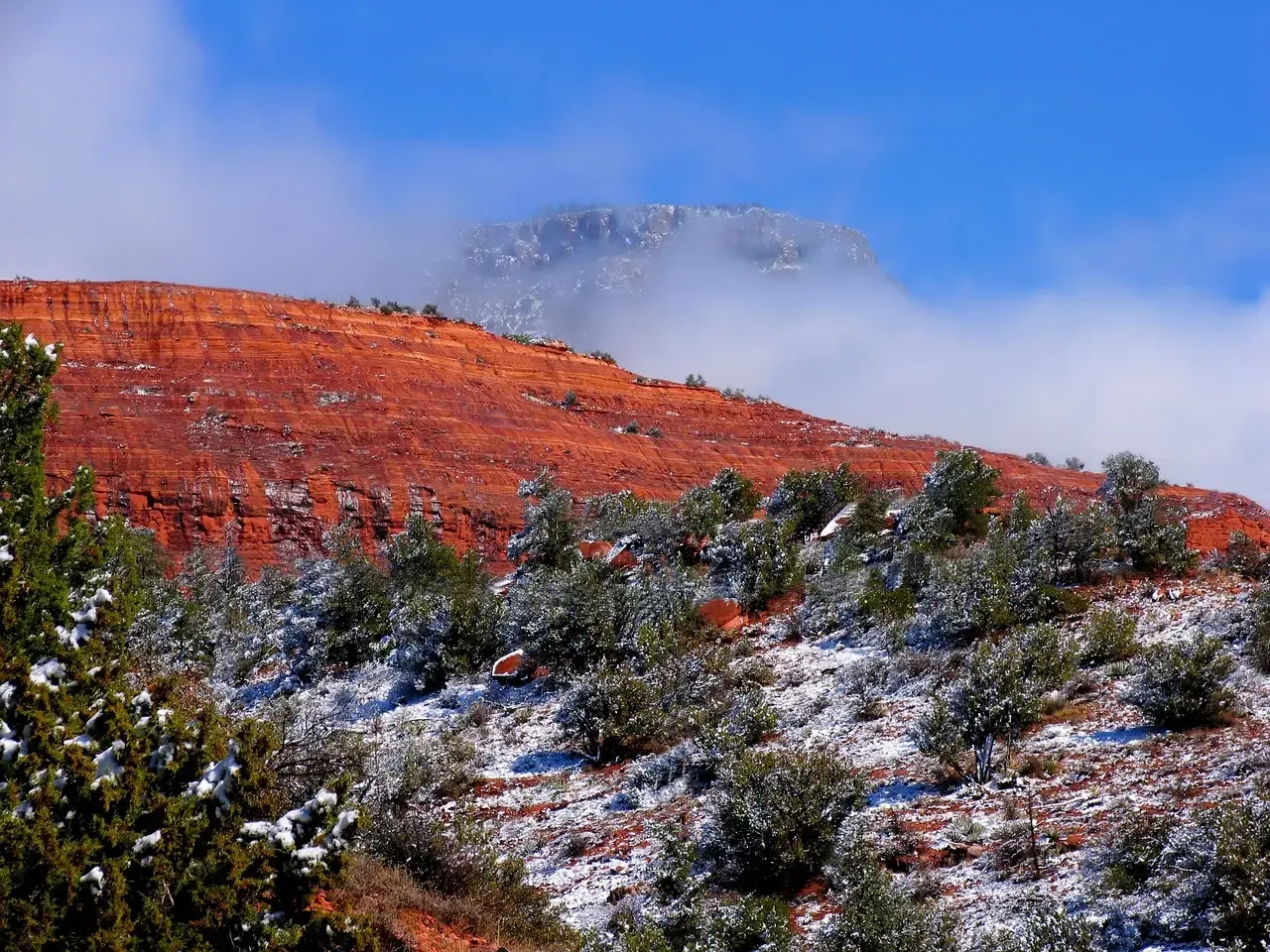
It’s a great idea to spend a few days in Sedona in winter if you want to see the stark white snow cover on Sedona’s terra cotta rocks, and it is fairly common to see a pretty dusting of snow in the winter months here. The contrast between the famous red rock formations and white snow creates a visual spectacle that photographers dream about. Cathedral Rock, Bell Rock, and the Chapel of the Holy Cross become even more stunning when lightly frosted with snow.
The snow rarely sticks around for long in Sedona, usually melting within a day or two. Still, if you happen to be there during a winter storm, you’re in for an unforgettable sight.
Payson and the Rim Country
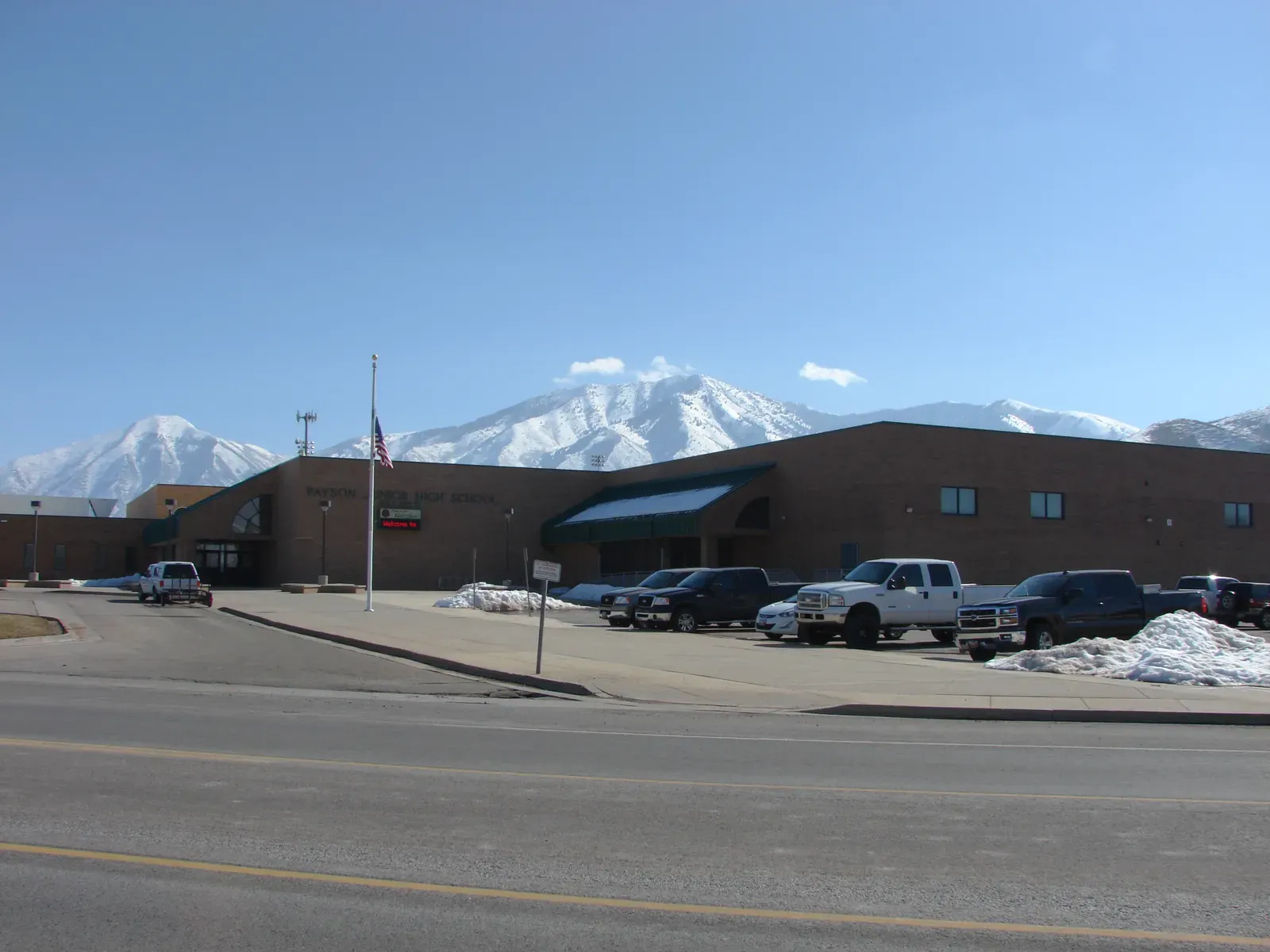
Arizona’s “Christmas City” averages 5-to-6 inches of snow each month through the winter. Payson, along with the nearby towns of Pine and Strawberry, sits along the Mogollon Rim, a dramatic escarpment that marks the edge of the Colorado Plateau. This area receives consistent winter snowfall thanks to its elevation around 5,000 to 6,000 feet.
The closest place that is an easy day trip from Phoenix to see snow is Payson, which is a short 1.5 hours away from downtown Phoenix. That proximity makes it a popular weekend destination for Phoenix residents craving a quick snow fix. The Rim Country isn’t as dramatic or snowy as Flagstaff, but it offers a more accessible winter experience for those who can’t make the longer drive north.
Local cabins and lodges fill up quickly during snowstorms as families come to build snowmen, sled down hills, and enjoy the novelty of winter weather without venturing too far from home.
Places in the U.S. That Get Heavy Snowfall
So how does Arizona stack up against the truly snowiest places in America? Mount Rainier and Mount Baker in Washington are the snowiest places in the United States which have weather stations, receiving 645 inches annually on average. That’s over fifty feet of snow each year at these remote mountain locations.
The northernmost state in the country is also the snowiest state, as Alaska’s highest snowfall in recorded history occurred in the winter of 1952-1953, when the state experienced over 81 feet. Among populated cities, Sault Ste. Marie has received an average snowfall of 119.3 inches per year, while Syracuse has the highest annual snowfall, with 114.3 inches per year on average.
Vermont, New Hampshire, Maine, and New York round out the traditional snowiest states, all benefiting from lake effect snow and consistent cold temperatures. Arizona doesn’t compete with these states overall, but Flagstaff’s impressive snowfall totals put it firmly on the map as a legitimate snow destination in its own right.
Why Elevation Matters More Than Latitude
Here’s what makes Arizona’s snow situation so fascinating: elevation trumps latitude when it comes to winter weather. Most winter storms produce snow at around 6,000 or 7,000 feet, relying on colder temperatures to form snowflakes. Arizona’s northern plateau and mountain ranges reach well above that threshold.
Terrain also amplifies snowfall, as storms sweep in from the Pacific and winds push air up and over the Mogollon Rim and San Francisco Peaks, which cools the air and squeezes out more moisture through upslope flow. This orographic effect creates localized heavy snowfall on the windward side of mountains while areas just miles away in the rain shadow might see much less.
The lesson? Don’t judge a state’s winter weather by its stereotypes. Arizona proves that desert states can absolutely deliver genuine winter experiences if you know where to look.
Planning Your Arizona Snow Adventure
If you’re planning to chase snow in Arizona, timing matters. On average, Flagstaff sees its first measurable snow around Nov. 11, according to the National Weather Service. The main snow season typically runs from November through March, with January and February usually delivering the heaviest accumulations.
The months of December, January, and February are likely to bring cold days, frequent snowfall, and other wintry weather conditions with average temperatures of around 38°F in northern areas. You’ll need to pack appropriately. Winter gear that would be excessive in Phoenix becomes absolutely essential in Flagstaff or the White Mountains. Heavy coats, insulated boots, gloves, and hats aren’t optional.
Don’t forget tire chains or four-wheel drive if you’re venturing into the high country during active storms. Road conditions can deteriorate rapidly, and mountain highways often require chains or snow tires during winter weather events. Check local forecasts and road conditions before heading out, and always have an emergency kit in your vehicle.
Arizona’s snow destinations offer something truly special: the chance to experience legitimate winter weather in a state most people associate exclusively with heat and sunshine. Whether you’re carving turns at Arizona Snowbowl, photographing snow-dusted red rocks in Sedona, or simply building a snowman with your kids in Flagstaff, you’re discovering a side of Arizona that defies expectations. The state’s dramatic elevation changes create microclimates that range from Sonoran Desert to alpine wonderland, sometimes within just a couple hours’ drive. So next time someone asks if it snows in Arizona, you can confidently tell them: absolutely, and in some places, it snows a lot. Have you ever experienced Arizona’s snowy side? What surprised you most?
