


Deer hunting is a deeply ingrained tradition in the United States, with significant implications for wildlife conservation and ecosystem management. While the topic of hunting can be controversial, understanding the integral role deer play in conservation efforts is essential to appreciate both their ecological impact and their significance in American culture.
Understanding Deer Populations in the U.S.

Deer, particularly the white-tailed deer, are one of the most prevalent large mammals in the United States. Their populations have experienced dramatic fluctuations over the decades, influenced by human activity, natural predators, and environmental factors. Efforts to manage these populations are crucial, as an overabundance can lead to issues such as crop damage, increased vehicle collisions, and ecological imbalance.
The Historical Context of Deer Hunting
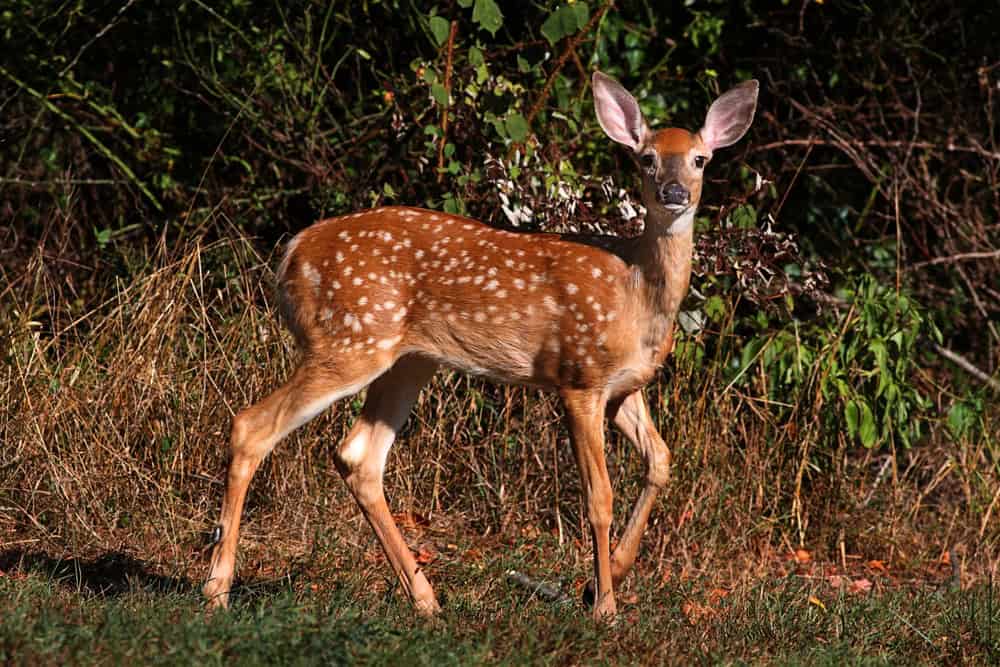
Hunting has played a role in shaping the history of wildlife management in the U.S. During the early 20th century, unregulated hunting and habitat loss led to a drastic decline in deer populations. However, conservation initiatives and stricter regulations aided in population recovery. Today, regulated deer hunting is recognized as a vital tool for wildlife management.
Regulation and Management of Deer Hunting
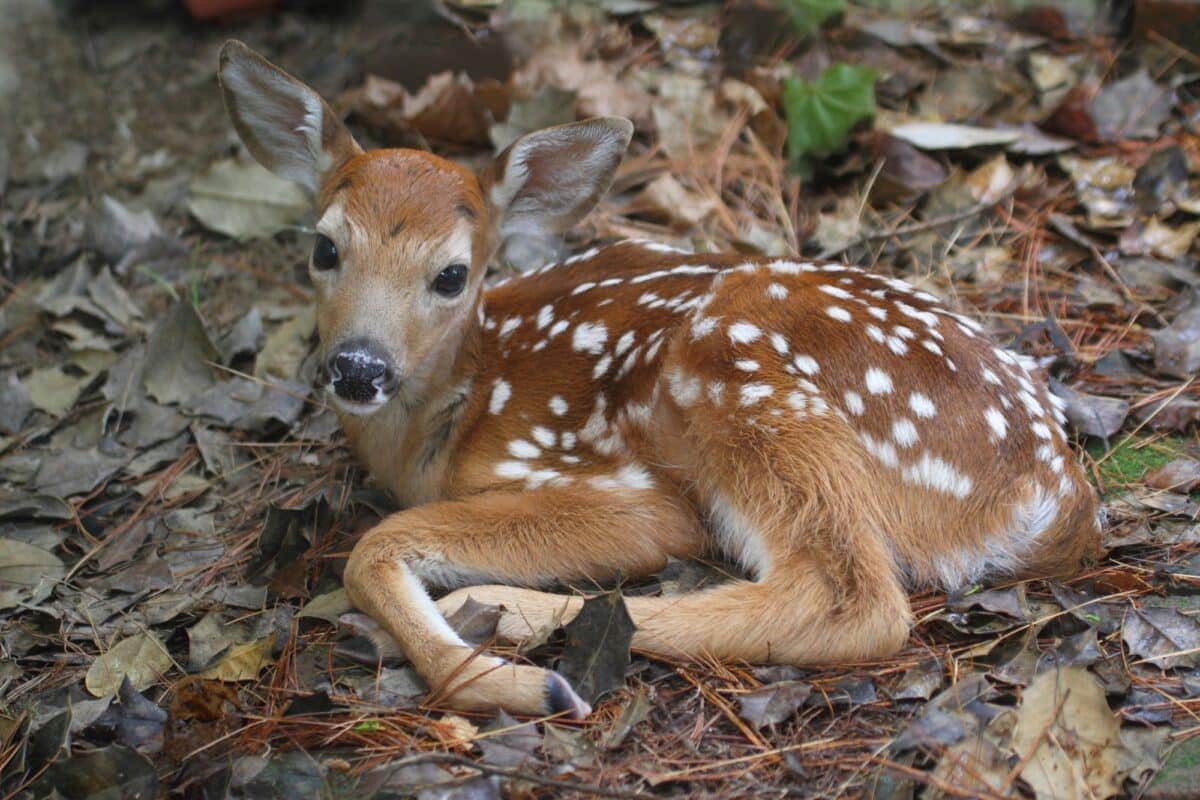
States implement specific rules and seasons to manage deer populations effectively. These regulations are based on scientific research and ecological assessments to balance deer numbers with ecological health. Hunters must adhere to guidelines concerning tags, bag limits, and weapon types, which help ensure sustainable practices.
Ecological Role of Deer in Forest Ecosystems

Deer play an essential role in shaping forest ecosystems, acting as both herbivores and prey. Their grazing habits influence plant community dynamics, affecting species composition and forest regeneration. However, when deer populations become too large, they can over-browse and hinder the growth of certain plant species, leading to long-term ecological consequences.
The Impact of Deer on Biodiversity
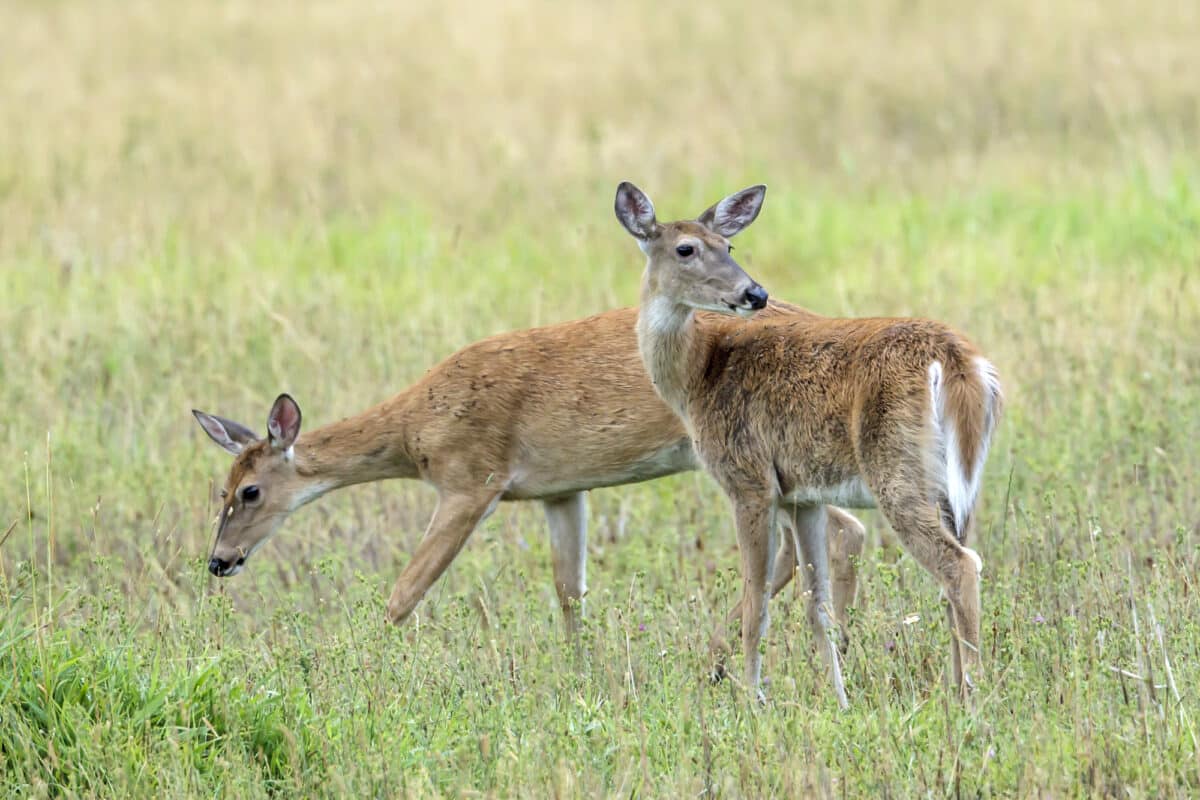
While deer naturally contribute to biodiversity by promoting growth and seed dispersal, their overpopulation can negatively impact other wildlife. High deer densities may compete with other herbivores for food and shelter, reducing biodiversity. Moreover, their browsing can alter habitats, affecting nesting sites for birds and other small animals.
Economic Importance of Deer Hunting
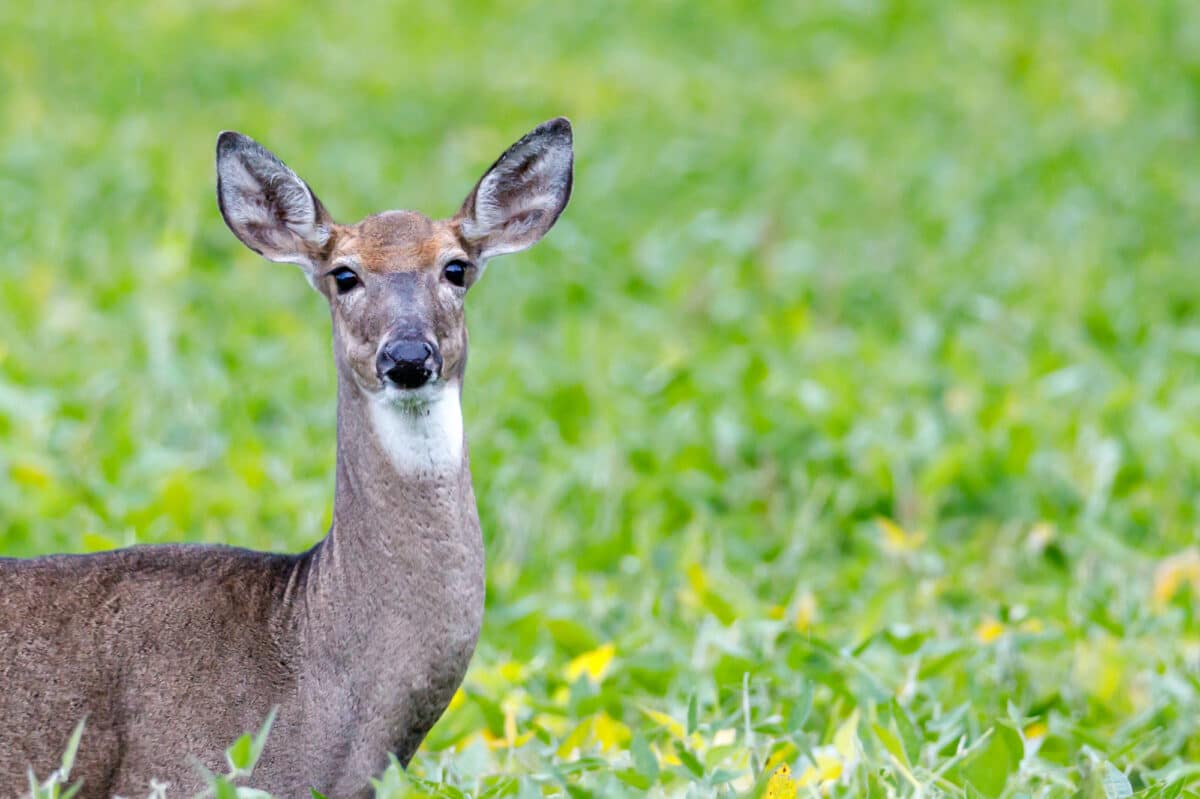
Deer hunting is a significant contributor to the U.S. economy. It generates billions of dollars annually through the sale of hunting licenses, equipment, and tourism. Local communities often benefit economically from the influx of hunters, supporting small businesses and creating jobs. Additionally, hunting revenues support conservation programs and wildlife management efforts.
Conservation Funding Through Hunting

Funds raised from hunting licenses and fees are crucial for state wildlife agencies. This financial support enables efforts to protect and restore habitats, conduct research, and manage wildlife populations effectively. By participating in hunting, individuals directly contribute to conservation funding, highlighting the interconnectedness of hunting and wildlife preservation.
Ethical Considerations in Deer Hunting
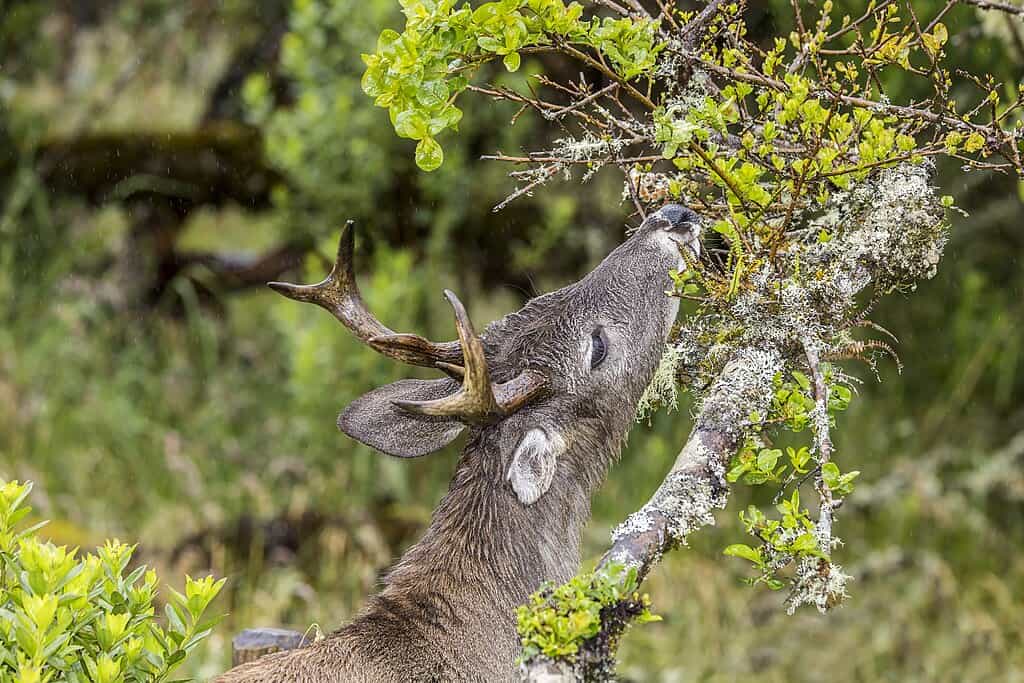
Modern deer hunting is often centered around ethical practices and principles of fair chase. Hunters are encouraged to engage in responsible hunting, which includes respecting wildlife, using humane methods, and practicing full use of the harvested animal. Ethical hunting ensures that the hunt is conducted with respect for the animal and the environment.
Advancements in Deer Management Strategies

Technological advancements and scientific research have improved deer management strategies significantly. The use of population modeling, habitat analysis, and genetic studies provides wildlife managers with better tools to make informed decisions. These innovations help maintain healthy deer populations and reduce human-wildlife conflicts.
The Role of Deer in Cultural and Recreational Activities

Beyond hunting, deer are a symbol in American folklore and art, representing beauty and grace. Wildlife enthusiasts and photographers often seek deer for observation and appreciation, fostering a connection to nature. This cultural significance helps promote conservation awareness and respect for wildlife.
Challenges in Deer Conservation
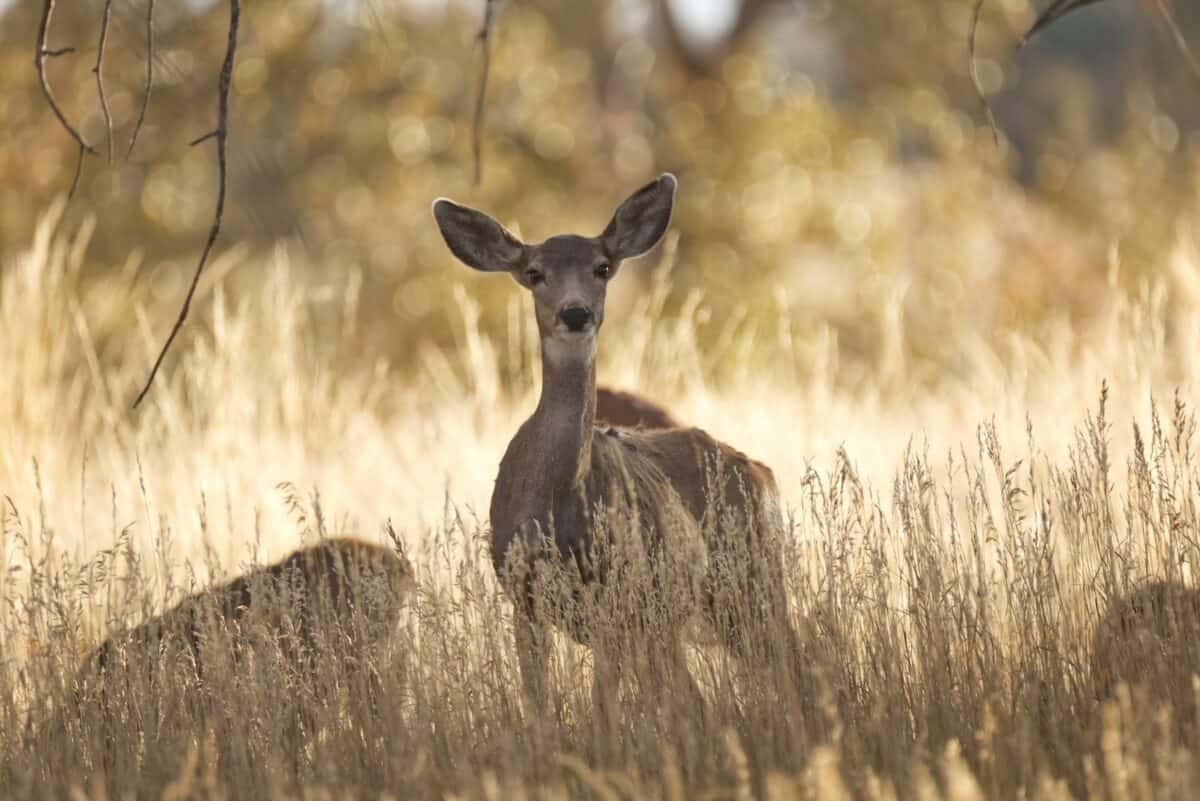
Despite efforts to maintain balanced deer populations, challenges remain. Urbanization and habitat fragmentation threaten deer habitats, while climate change is altering ecosystems. Wildlife managers continue to address these issues through adaptive management and community involvement, aiming to ensure sustainable deer populations.
The Future of Deer Conservation and Hunting

The future of deer conservation will depend on continued collaboration between hunters, conservationists, and policy makers. Education and public awareness about the ecological roles and management of deer are vital. Ensuring sustainable practices and fostering a healthy relationship between humans and wildlife can lead to thriving ecosystems and continued appreciation of deer in the U.S.
Conclusion
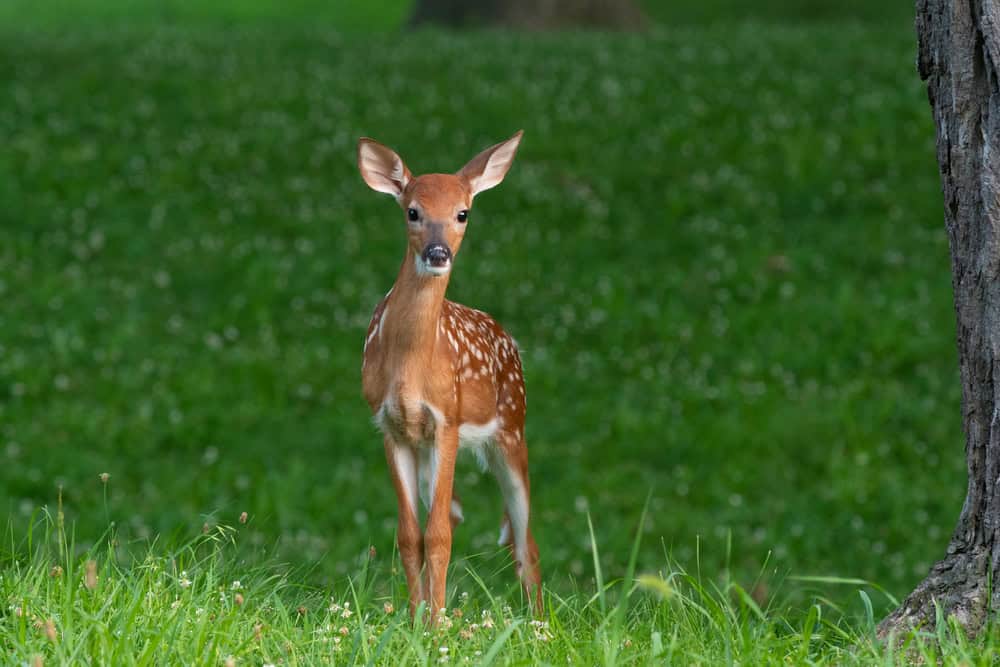
Deer play a multifaceted role in U.S. hunting and conservation. While hunting remains an essential tool for managing their populations, it is crucial that these practices are underpinned by ethical considerations and science-based management strategies. The successful integration of conservation measures with regulated hunting can ensure the health and sustainability of deer populations, benefiting both ecosystems and human communities. As stewards of the land, it is our responsibility to balance tradition with modern conservation efforts for the benefit of current and future generations.

From exploring the marine wonders in the Azores and witnessing the vast savannas of Kenya, to delving deep into the rich biodiversity of South Africa and traversing iconic landscapes in Australia and the US like Yellowstone, Chris's experiences are vast.
With a penchant for diving alongside sharks, the ocean holds a special place in his heart.
Through his academic insights, he champions wildlife conservation, striving with 'Animals Around The Globe' to cultivate a profound connection between humans and animals, enhancing our mutual appreciation.
Connect with him at Feedback@animalsaroundtheglobe.com.
- How Tigers Mark Their Territory Using Scent and Scratches - July 29, 2026
- The Deadly Volcano That Erased a Town Is Now Active Again - July 29, 2026
- 12 Deep Sea Animals With Terrifying Adaptations - July 29, 2026