
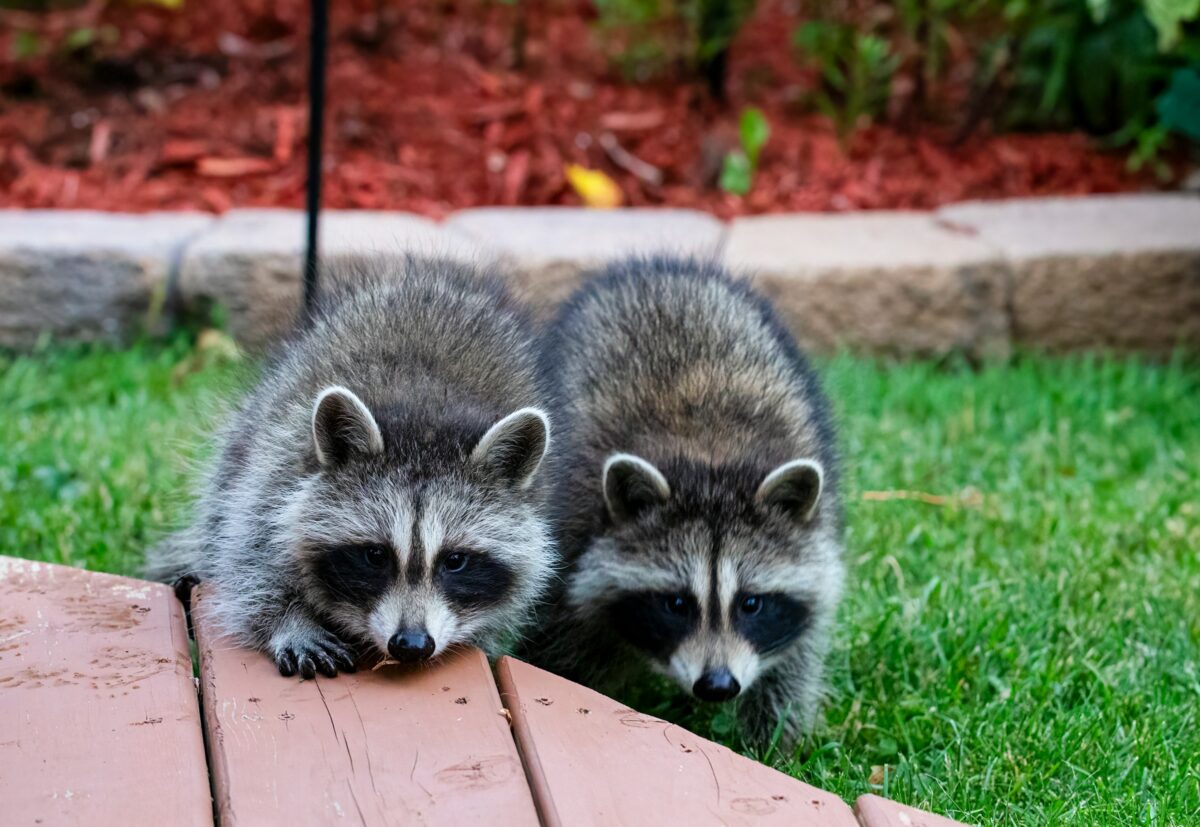

Raccoons have a reputation for being clever, and anyone who has watched one pry open a latched trash can lid probably agrees. Their front paws are extremely sensitive and work almost like hands, which helps explain why they can handle jars, latches, and loose shingles with such ease.
Still, cleverness is only part of the story. Where a raccoon lives shapes what it eats, where it sleeps, and how comfortable it gets around people. The nine states below aren’t an official ranking, because no single agency measures raccoon skill. They’re places where the mix of habitat, climate, and human development gives raccoons plenty of chances to thrive near our homes.
1. Florida
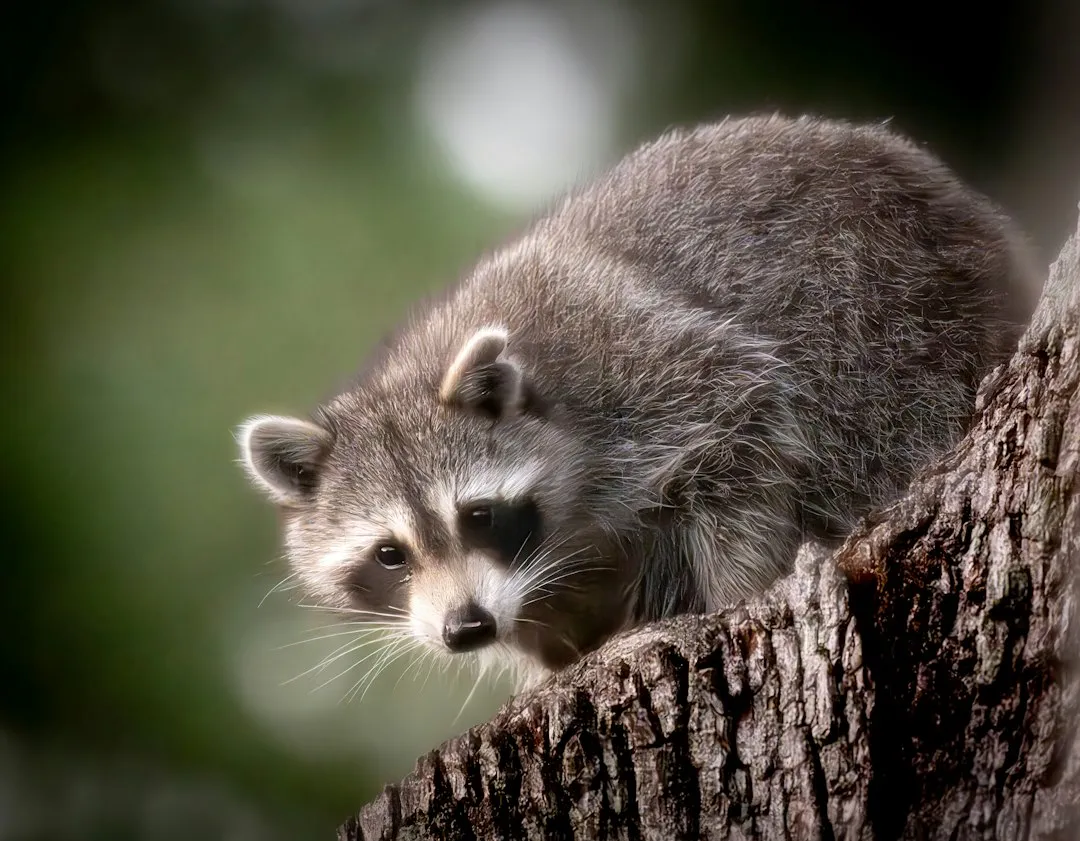
Florida’s warm climate means raccoons don’t have to endure a hard winter, so food and den sites matter all year. Suburbs here often back onto canals, ponds, and wetlands, which are natural raccoon territory. A yard with a water feature or a fruit tree can look like a buffet.
Raccoons in Florida are known to use attics, sheds, and spaces under porches. Pet food left on a patio is a common draw, as are unsecured garbage cans. Wildlife agencies in the state generally advise removing outdoor food sources rather than trying to feed or befriend the animals.
2. Texas
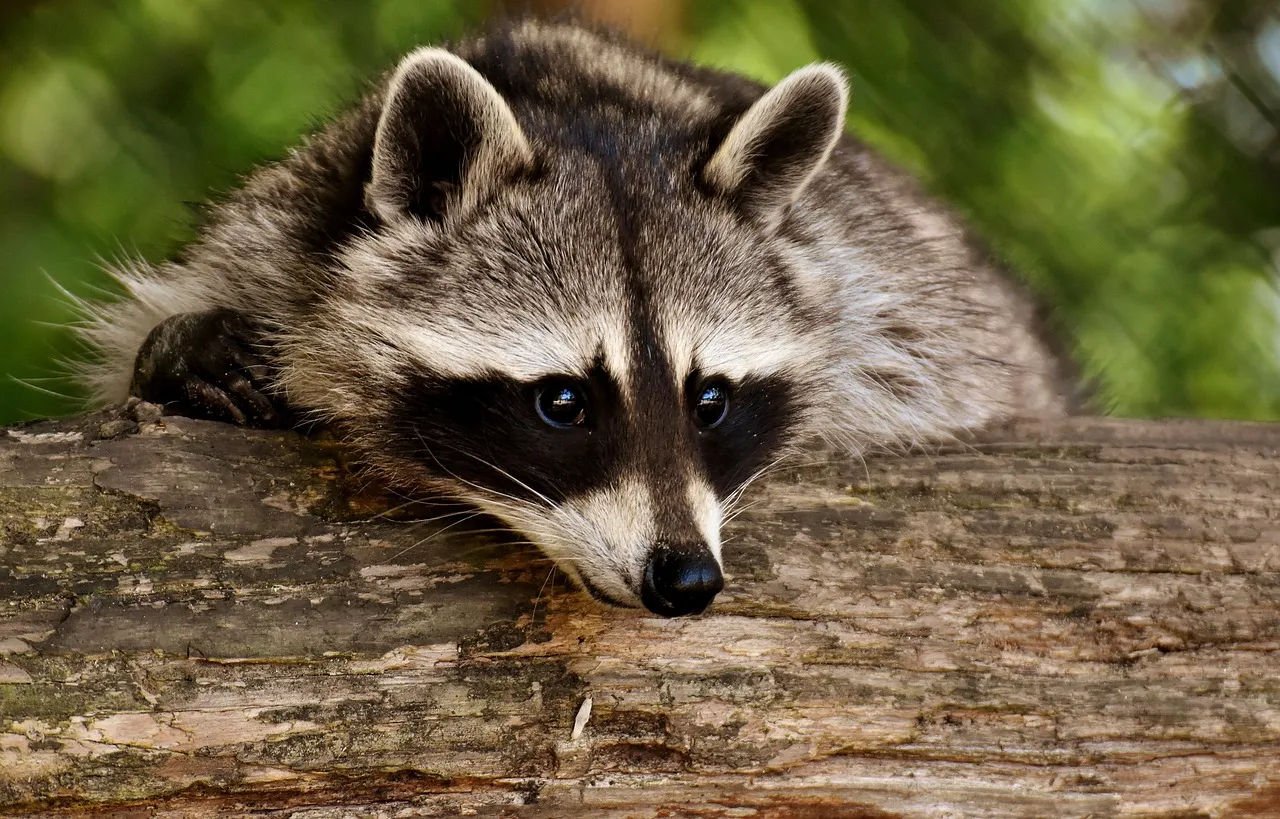
Texas is huge, and raccoons live across much of it, from the humid east to river corridors in drier country. Creeks and drainage ditches work like highways, letting them move through cities such as Houston, Dallas, and Austin with little trouble. Storm drains and culverts also double as handy daytime hideouts.
Urban raccoons here take advantage of dumpsters, pet bowls, and backyard gardens. Chimneys without caps are a classic problem, since they look a lot like hollow trees from a raccoon’s point of view. A sturdy chimney cap is a simple fix that homeowners are often told to consider.
3. California
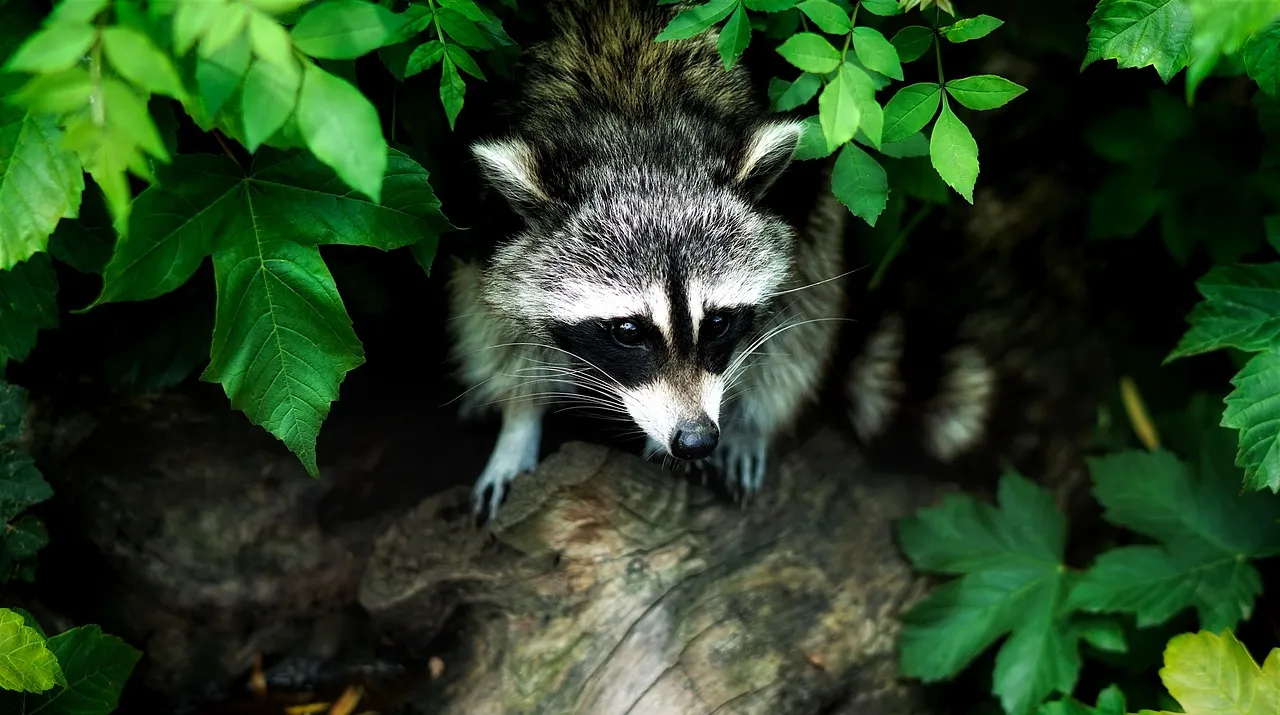
California raccoons are comfortable in both coastal neighborhoods and inland suburbs. Wildlife officials in the state have long noted that raccoons adapt well to developed areas, especially where water and landscaping are available. Irrigated lawns attract insects and worms, which are easy meals.
Garden koi ponds, fruit trees, and compost piles can all pull them in. Crawl spaces and attics with small entry gaps may get used as dens, particularly when a female is looking for a safe place to raise her young. Sealing those gaps before spring is a practical step.
4. Ohio
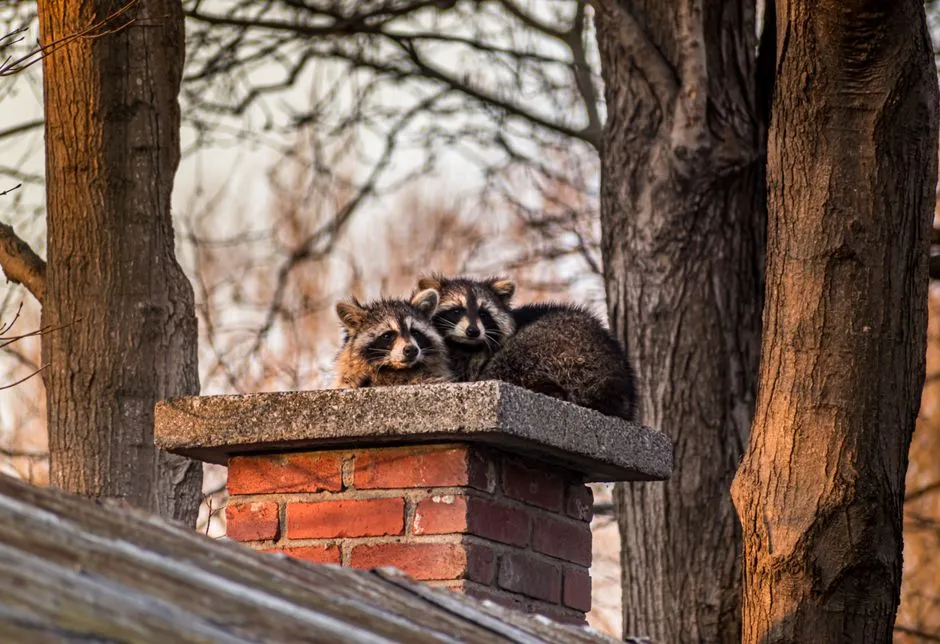
Ohio has a patchwork of woodlots, farm fields, and suburbs, which is close to ideal raccoon country. Cities like Columbus and Cincinnati have green corridors along rivers and creeks that let the animals move in and out of neighborhoods. Corn fields nearby have historically been a favorite food source in the Midwest.
Cold winters push raccoons to find insulated shelter. Attics and chimneys can look appealing when temperatures drop, though raccoons don’t truly hibernate and may stay in a den for stretches during harsh weather. Ohio wildlife resources commonly recommend exclusion methods that let animals leave before openings are sealed.

Halloween Cat Costume Cloak Witch Hat Pet Accessories
Check Price on AmazonAs an Amazon Associate, we earn from qualifying purchases.
10/9/2026 2:44 pm GMTi

Portable Dog Water Bottle Foldable Dog Travel Water Bottle
Check Price on AmazonAs an Amazon Associate, we earn from qualifying purchases.
10/7/2026 1:29 pm GMTi

2 Pcs Halloween Pet Hat Bandana Set, Witch Pumpkin Costumes for Dogs
Check Price on AmazonAs an Amazon Associate, we earn from qualifying purchases.
10/9/2026 2:45 pm GMTi

Glass Hummingbird Feeder for Outdoors Hanging, 16 oz Leak-Proof Nectar Feeder with Bee Guards & Ant Moat
Check Price on AmazonAs an Amazon Associate, we earn from qualifying purchases.
10/7/2026 1:22 pm GMTi

Air Purifiers for Home Pets Large Room Up to 3000 Ft²,HEPA Air Cleaner with Washable Double-Side Filter, PM2.5 Air Quality Monitor,15dB Sleep Mode for Bedroom Odor Dust Pollen,White
Check Price on AmazonAs an Amazon Associate, we earn from qualifying purchases.
10/8/2026 8:23 am GMTi
5. Georgia
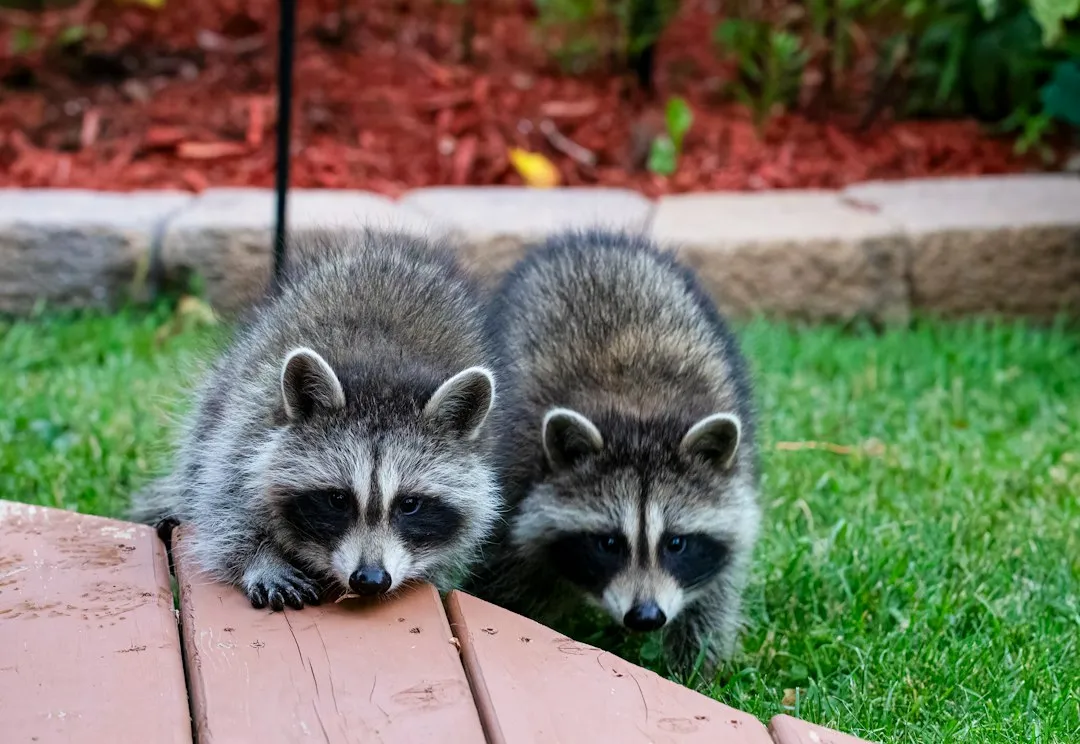
Georgia combines mild winters, plentiful trees, and lots of suburban sprawl. Around Atlanta, neighborhoods are often tucked into wooded lots, so raccoons can step from forest to backyard in a minute. Old hardwoods provide natural dens, but houses offer the same thing with fewer drafts.
Bird feeders, pet food, and trash are the usual attractions. Decks and elevated sheds give raccoons dry places to rest, and roof access via overhanging branches is a frequent complaint. Trimming limbs back from the house is one of the easier preventive moves.
6. New York
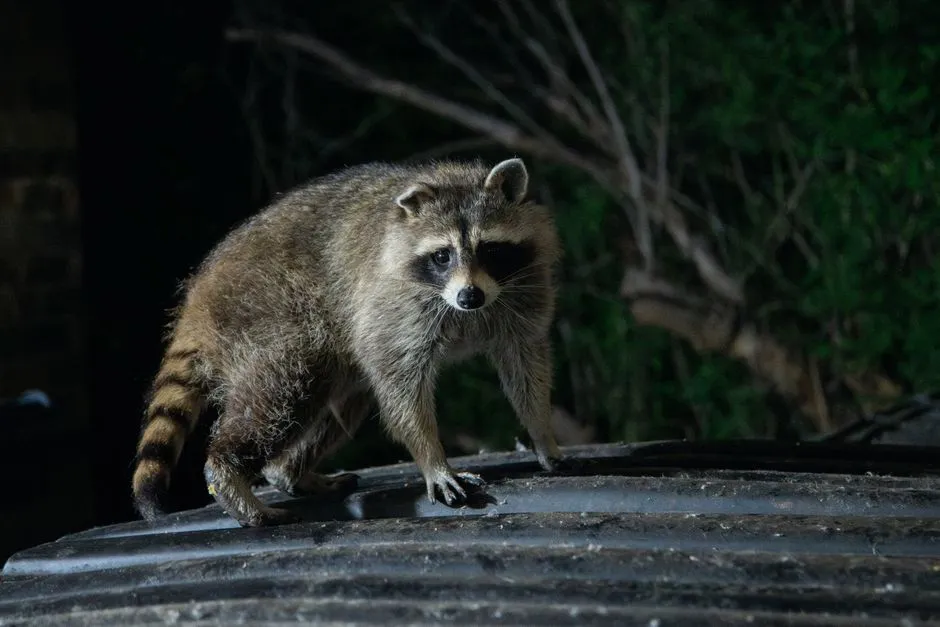
New York shows how far raccoons can go in dense places. They live not only in upstate woods and suburbs but also in urban parks and neighborhoods, where they’ve learned to use the city’s leftovers. Garbage is the big draw, and the shift to heavier bins in many places reflects that.
Shelter in cities can be surprisingly creative, from tree cavities in parks to gaps in buildings and spaces beneath structures. Health agencies remind residents that raccoons can carry rabies, so a raccoon acting oddly in daylight deserves distance and a call to local animal control. Daytime activity alone isn’t always a sign of illness, though.
7. Pennsylvania
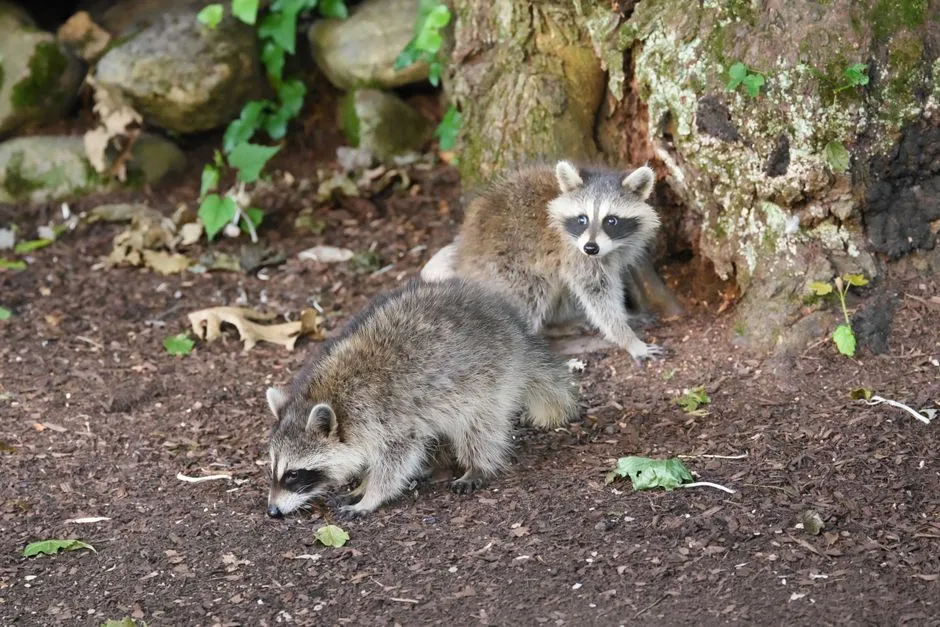
Pennsylvania has forests, farmland, and plenty of small towns where homes sit near wooded edges. That blend gives raccoons dependable food from nuts, fruit, crops, and human waste. Streams threading through communities add another resource, since raccoons often forage along shorelines.
In colder months, they look for warm, dry places to settle. Chimneys, attics, and garages with loose door seals are common targets. Keeping lids secured and storing pet food indoors goes a long way toward making a yard less interesting.

Hand Blown Glass Hummingbird Feeders for Outdoors Hanging, 24oz Wild Bird Nectar Feeder
Check Price on AmazonAs an Amazon Associate, we earn from qualifying purchases.
10/7/2026 1:23 pm GMTi

PetSafe Oasys Pet Fountain, 1/2 Gallon (64 oz), Small Dogs & Cats
Check Price on AmazonAs an Amazon Associate, we earn from qualifying purchases.
10/8/2026 8:14 am GMTi

Orthopedic Extra Large Dog Bed, Waterproof Washable XL Pet Bed 44"
Check Price on AmazonAs an Amazon Associate, we earn from qualifying purchases.
10/7/2026 1:32 pm GMTi

Smart Bird Feeder with Camera Solar Powered, 2K HD Live Video, 10,000+ Bird Species AI Identification
Check Price on AmazonAs an Amazon Associate, we earn from qualifying purchases.
10/7/2026 1:22 pm GMTi

Glass Hummingbird Feeder for Outdoors Hanging
Check Price on AmazonAs an Amazon Associate, we earn from qualifying purchases.
10/7/2026 1:21 pm GMTi
8. Illinois
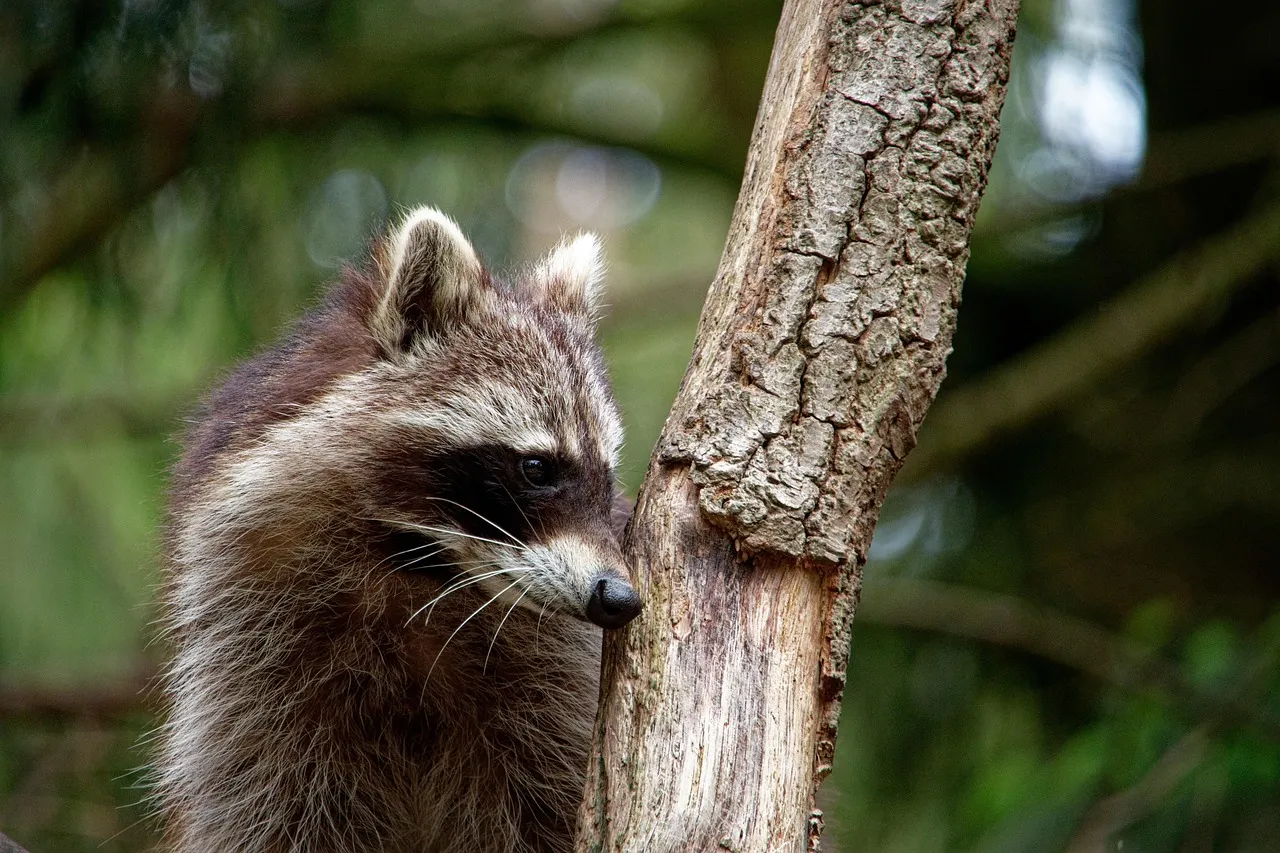
Illinois, especially around Chicago, has been the subject of urban wildlife research for years, and raccoons are among the species studied. Parks, forest preserves, and rail corridors provide cover while alleys and yards supply meals. The mix lets raccoons live at fairly high densities in some developed areas.
Researchers studying urban wildlife generally find that city animals can behave differently from their rural cousins, often becoming bolder around people. For homeowners, that means basics matter: tight lids, closed garage doors, and no outdoor pet dishes overnight. Small habits add up when an animal tests every opportunity.
9. Michigan
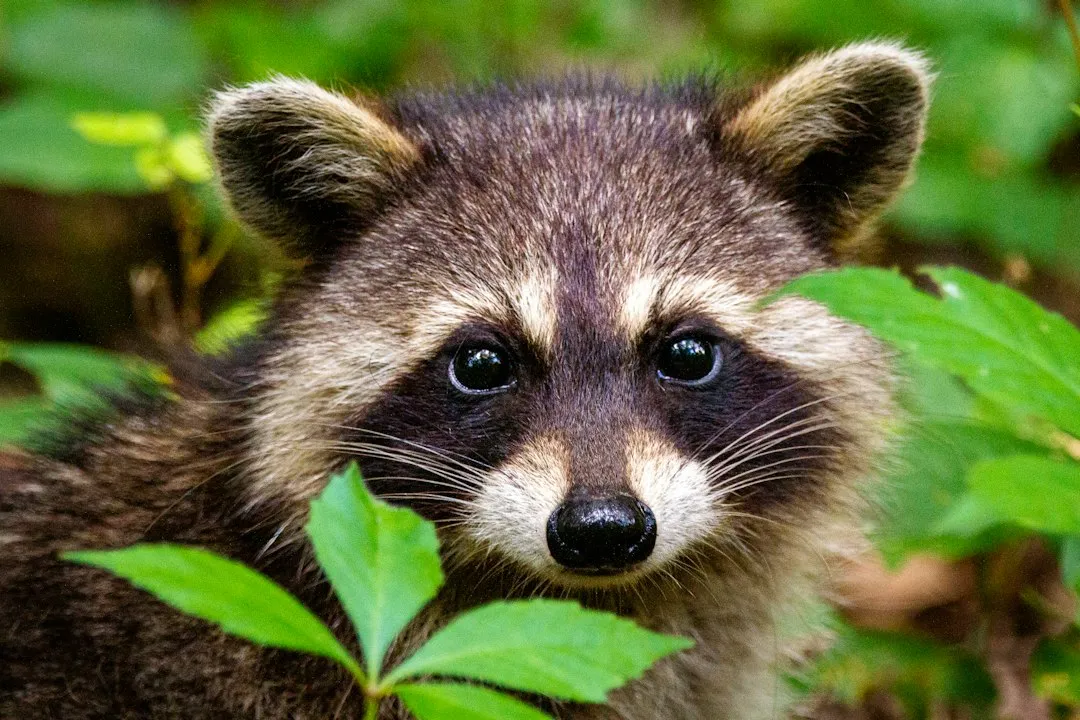
Michigan raccoons benefit from lakes, rivers, and wooded neighborhoods, with many homes sitting close to water. They forage for crayfish, frogs, and other aquatic food, then turn to gardens and garbage when natural options dwindle. Corn and fruit crops can also be a lure in rural areas.
When winter hits, attics and outbuildings become attractive. Michigan wildlife guidance tends to stress prevention and humane removal, since mother raccoons with kits can be easy to separate by accident. If you hear chattering or thumping overhead in spring, it’s worth calling a licensed professional rather than guessing.

Halloween Dog Collar with Bow, Orange Cute Ghost Collar,
Check Price on AmazonAs an Amazon Associate, we earn from qualifying purchases.
10/9/2026 2:43 pm GMTi

Professional 7 in 1 Dog Paw Cleaner for Dogs & Cats - Includes 1 Portable Paw Washer, 1 Bath Brush
Check Price on AmazonAs an Amazon Associate, we earn from qualifying purchases.
10/7/2026 1:26 pm GMTi

Earth Rated XL Dog & Puppy Pee Pads, Discreet Top, Max Absorbency
Check Price on AmazonAs an Amazon Associate, we earn from qualifying purchases.
10/7/2026 1:28 pm GMTi

Dog Stairs for Bed 18" H, 4-Step Dog Steps for High Bed
Check Price on AmazonAs an Amazon Associate, we earn from qualifying purchases.
10/9/2026 2:42 pm GMTi
Final Thoughts
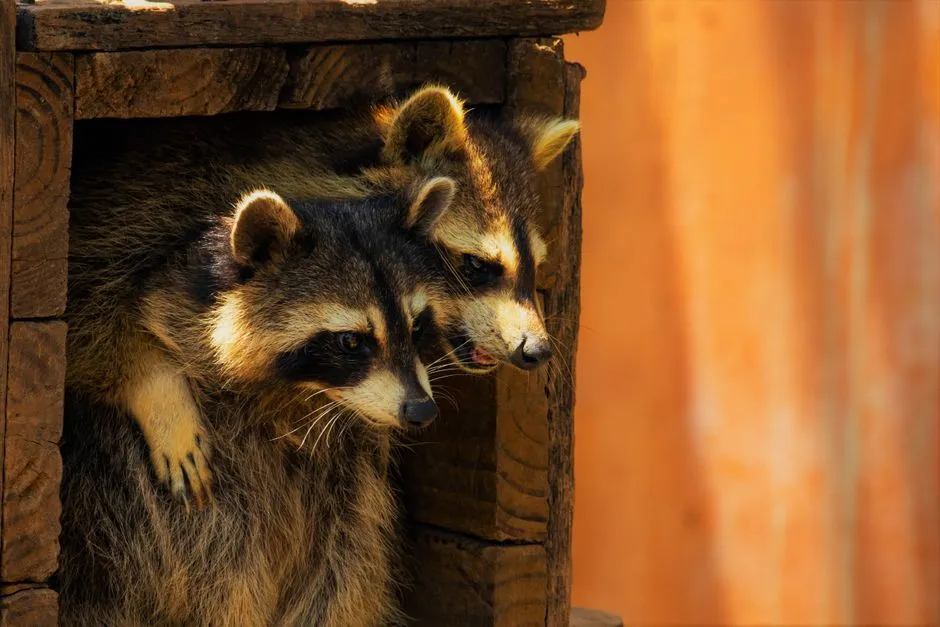
Here’s my view: raccoons aren’t villains, and they aren’t pets either. They’re opportunists doing what any smart animal does when we leave out an easy meal and an open door. Blaming them feels a bit unfair when most problems start with our own habits.
The good news is that the fix is boring, and boring works. Lock the lids, cap the chimney, seal the gaps, and keep pet food inside. Do that, and your house stops being the best deal on the block, which is really all it takes.

- 9 Animals That Are Far Smarter Than Most People Realize - November 12, 2026
- 9 Facts About Canada Lynx That Explain Their Boom-and-Bust Link to Snowshoe Hares - November 12, 2026
- Zoology Says Jaguars Have the Most Powerful Bite for Their Size of Any Big Cat – Strong Enough to Crack Turtle Shells - November 12, 2026