

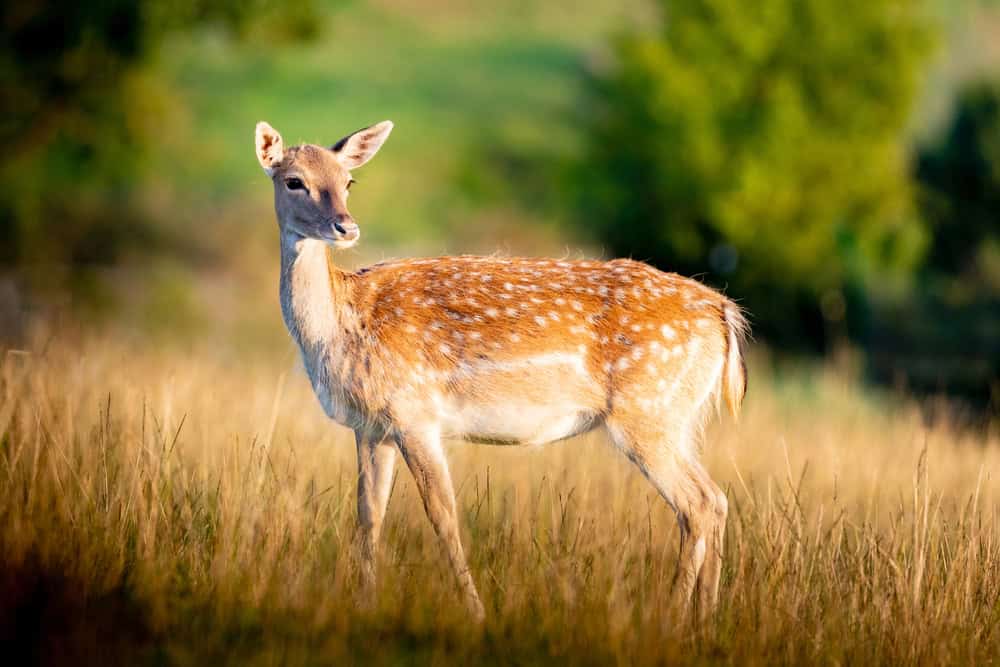
Missouri, located in the heart of the United States, is renowned for its diverse ecosystems, which range from expansive grasslands to dense forests and winding rivers. This incredible variety of habitats supports a rich tapestry of wildlife. Whether you’re a budding naturalist or simply curious about the animals that call Missouri home, this guide will take you on an enlightening journey through the state’s top 10 animals and wildlife.
White-tailed Deer
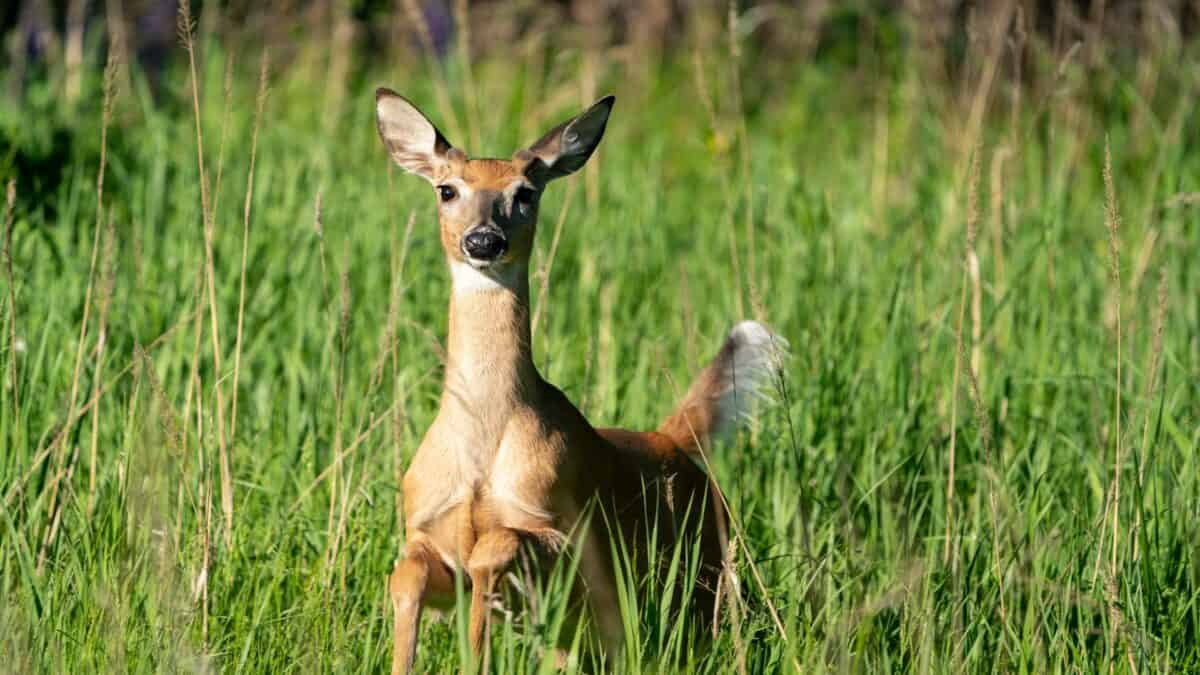
One of the most iconic animals roaming Missouri’s landscapes is the white-tailed deer. Recognizable by its characteristic white tail, which it raises when alarmed, this deer species thrives in Missouri’s forests and farmlands. They are adaptable creatures and play a significant role in the state’s ecosystem, serving as prey for predators and as participants in seed dispersion through their grazing habits.
American Bald Eagle

The American Bald Eagle is a majestic bird symbolizing strength and freedom. In Missouri, they are particularly visible during winter months near large rivers and lakes. These raptors rely on abundant fish populations to thrive and are often seen soaring high in the sky or perched on tall trees along waterways.
Eastern Bluebird

Known for their vibrant blue plumage and sweet songs, Eastern Bluebirds are a delight to watch. These small birds prefer open fields and are often seen resting on fences or hunting insects. They have become a beloved symbol of happiness and are often attracted to backyard birdhouses, making them a favorite among birdwatchers.
Bobcat
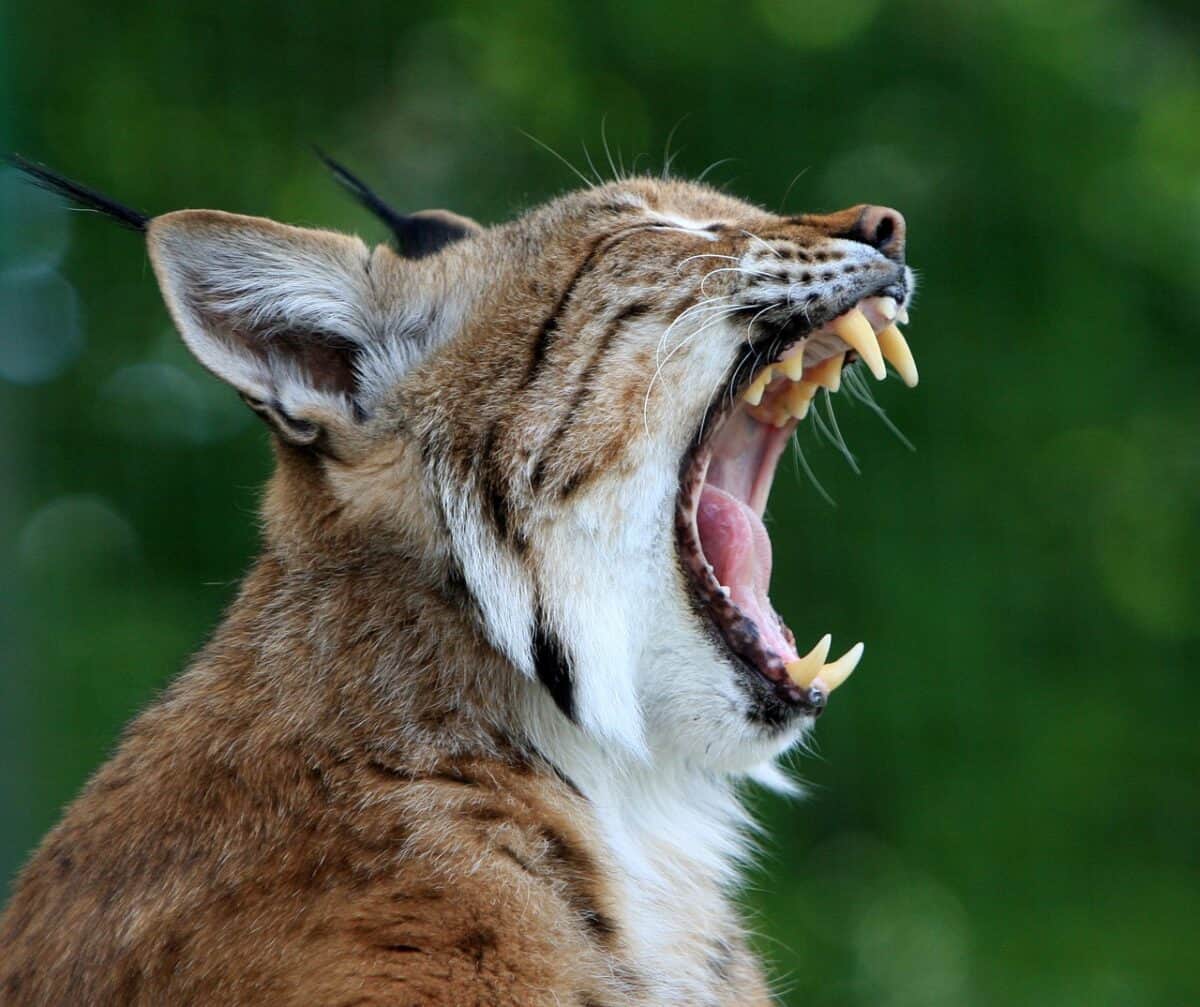
The elusive bobcat is a skilled and adaptable predator inhabiting Missouri’s diverse landscapes. Preferring woods and dense shrubbery for cover, this feline predator is known for its solitary and secretive nature. With a diet that includes small mammals and birds, bobcats help maintain ecological balance by controlling rodent populations.
American Black Bear

American Black Bears are making a notable comeback in Missouri’s wilderness. Once nearly extirpated from the state, these bears are now seen more frequently, especially in the Ozarks. They are omnivorous, with diets ranging from berries and insects to small mammals and fish. Black bears are vital for seed dispersal and maintaining healthy forests.
Great Blue Heron
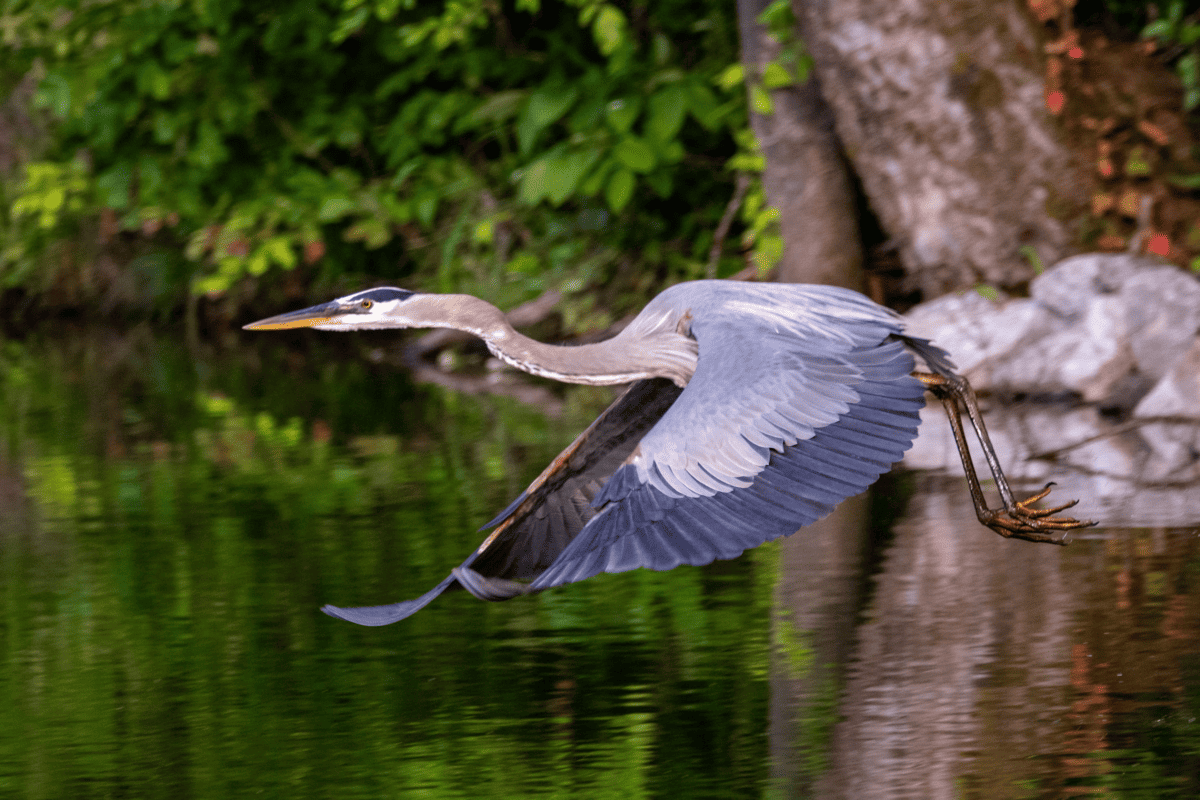
Standing tall and graceful, the Great Blue Heron can often be seen wading through Missouri’s wetlands and along its rivers and lakes. Known for their long necks and legs, these birds are expert fish hunters. Their presence is a testament to the health of aquatic ecosystems, as they depend on abundant fish populations to thrive.
Hellbender Salamander

As one of North America’s largest salamanders, the Hellbender is fascinating yet rare. Found in Missouri’s clear, swift-flowing streams, these aquatic creatures are excellent indicators of clean water. Their wrinkled appearance and sizable bodies make them unique, but they are also vulnerable due to habitat degradation and pollution.
Osage Copperhead
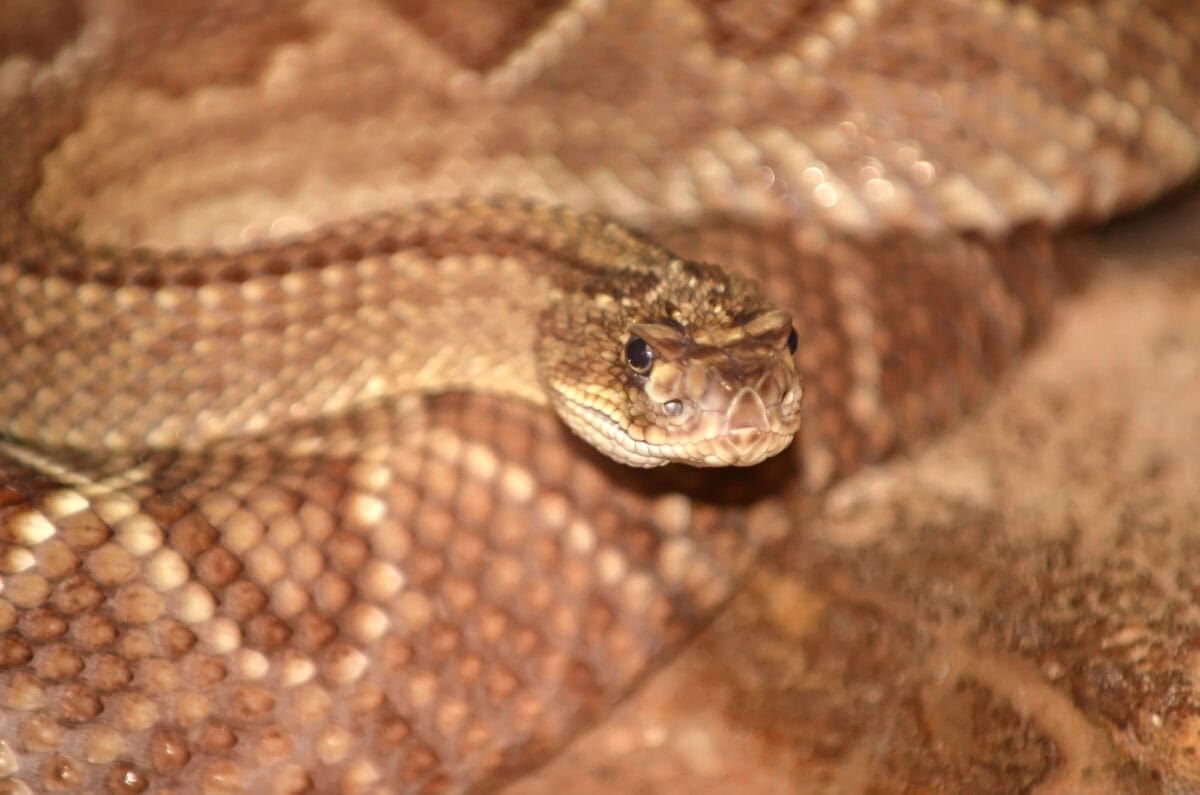
The Osage Copperhead is a venomous but generally non-aggressive snake native to Missouri. Found in rocky and wooded areas, this snake is well-camouflaged with its copper-like coloring. While their venom is potent, bites are rarely fatal to humans and copperheads play a vital role in controlling rodent populations.
Nine-banded Armadillo
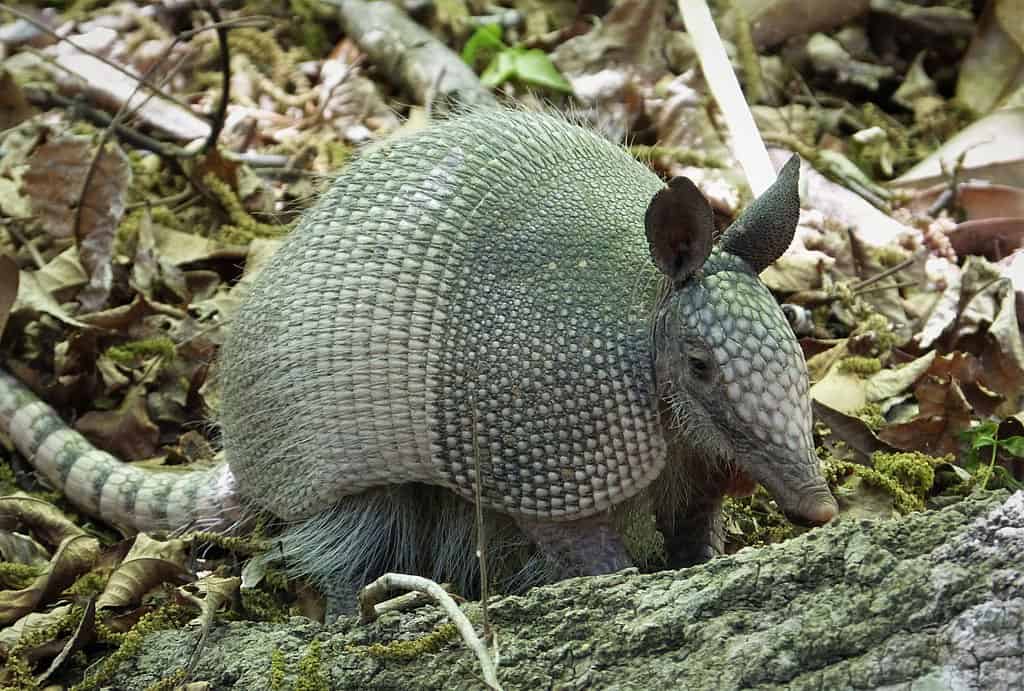
The Nine-banded Armadillo is an intriguing and relatively new resident in Missouri, having expanded its range northward in recent decades. Known for its armored shell and burrowing habits, this mammal is primarily nocturnal and feeds on insects and small invertebrates. Its presence adds to the state’s ecological complexity.
River Otter

Playful and agile, the River Otter is a delightful sight along Missouri’s waterways. These mammals have made a remarkable recovery due to successful reintroduction efforts. Known for their playful behavior and strong swimming skills, otters are important indicators of healthy river ecosystems as they depend on clean water and abundant fish.
Conclusion

Missouri’s wildlife diversity offers a window into the natural beauty and ecological richness of the state. From songbirds to apex predators and amphibians, each animal contributes to the intricate balance of the environment. While enjoying these creatures, it’s vital to appreciate the conservation efforts that protect and maintain their habitats, ensuring that future generations continue to experience the wondrous array of wildlife that Missouri has to offer.

As a little kid, I fell in love with nature, wildlife, and animals. Living in the USA, South Africa, Italy, China and Germany gave me the opportunity to discover the world's Wildlife. My favorite animals are Mountain Gorillas, Siberian Tigers, and Great White Sharks.
I'm a certified PADI Open Water Diver, went to Everest Base Camp and Trekked Gorillas in Uganda. I hold a Master of Science in Economics and Finance.
Please send any feedback to feedback@animalsaroundtheglobe.com
- 12 Birds That Change Color Seasonally - August 25, 2025
- 12 Secrets of the Animal Kingdom You Did Not Know - August 25, 2025
- 14 Surprising Places You Can Spot Rare Birds - August 25, 2025