

Natural disasters have been a part of Earth’s dynamic ecosystem for millennia. However, some regions are more prone to these catastrophic events than others. In the United States, one state holds the distinction of experiencing more natural disasters than any other. This article delves into the factors contributing to this state’s vulnerability, types of disasters faced, and how the residents cope with the recurrent challenges.
Introduction to U.S. Natural Disasters
The United States, with its vast size and diverse climate, is susceptible to a wide range of natural disasters. From hurricanes lashing the coasts to wildfires igniting in the hinterlands, the geographical diversity ensures that no season is truly safe. Understanding which state bears the brunt of these disasters helps policymakers prepare more effectively and guides residents in disaster preparedness.
The Most Disaster-Prone State
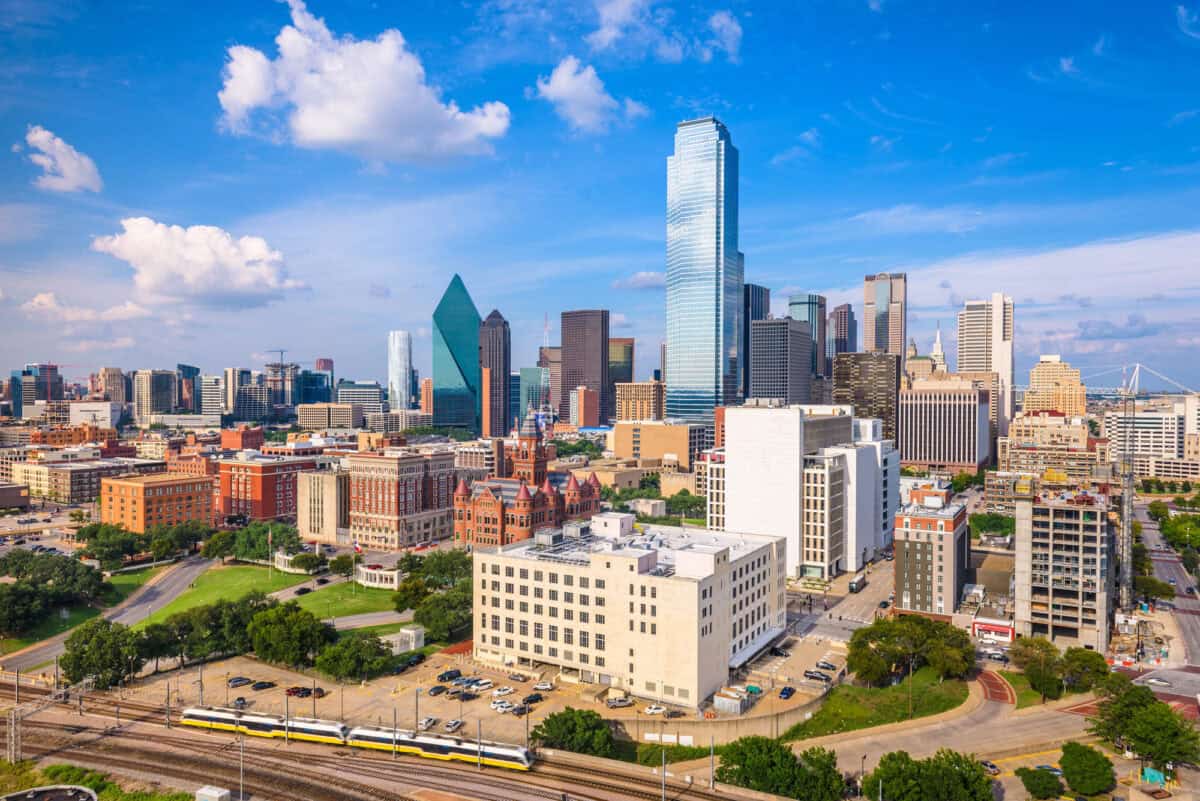
Texas takes the unfortunate title of being the U.S. state with the most natural disasters. Encompassing a range of geographical features and climatic zones, Texas experiences numerous calamities annually, severely impacting its economy and the livelihood of its residents.
Geographical and Climatic Factors
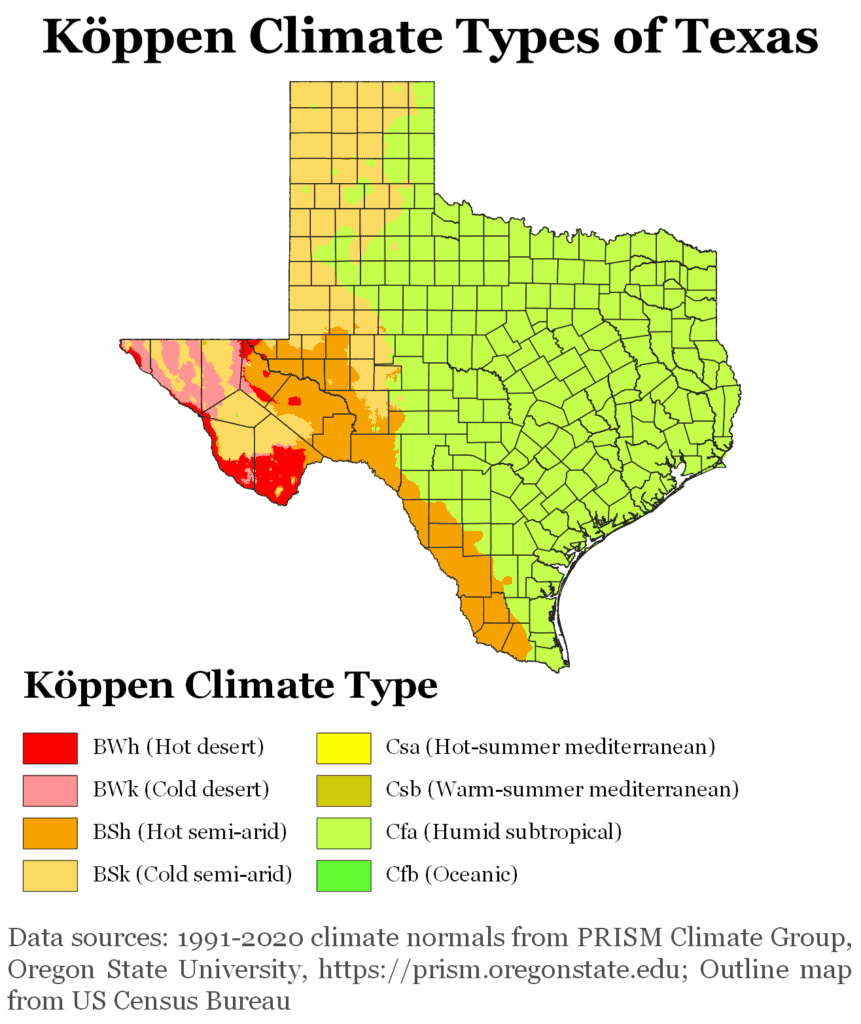
Texas’s vast size and varied landscape contribute to its susceptibility. Spanning deserts, plains, hills, and coastlines, the state’s geography makes it prone to a variety of weather patterns and natural events. This diversity, while beautiful, often results in catastrophic natural phenomena.
Common Types of Disasters in Texas
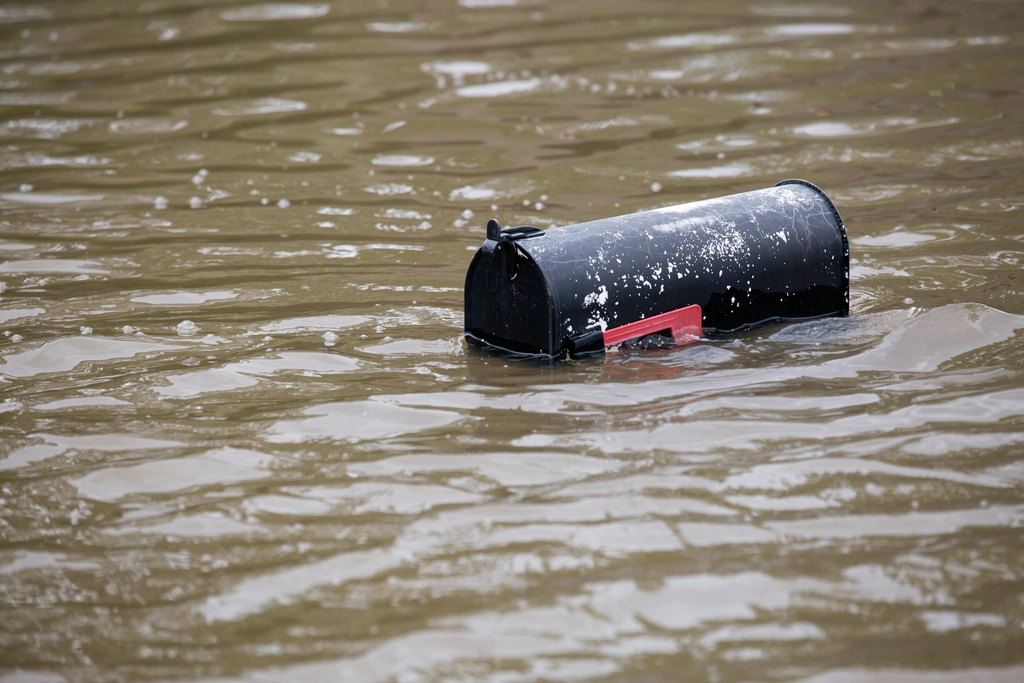
Texas faces a multitude of natural disasters, including hurricanes, floods, tornadoes, and wildfires. Each of these disasters has a unique impact on the state’s environment and economy, requiring specialized responses from both the government and the populace.
The Threat of Hurricanes
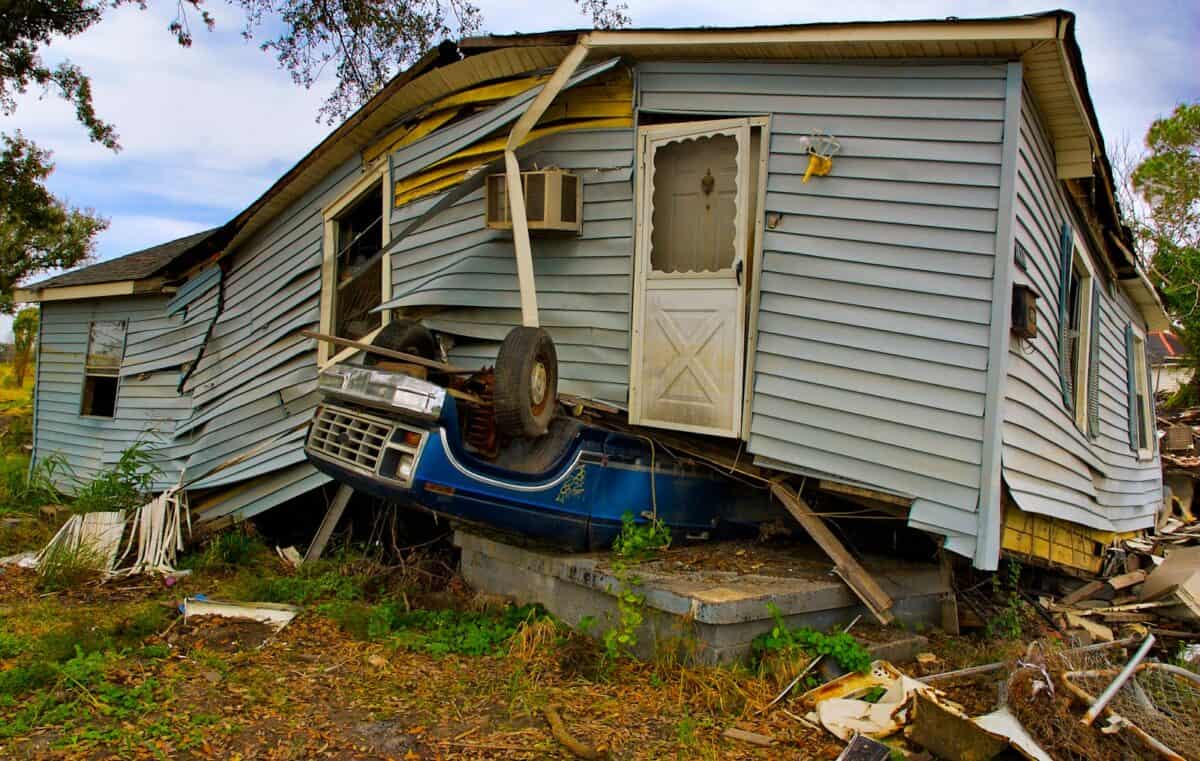
The Gulf Coast, with its warm waters, acts as a breeding ground for hurricanes. Texas, situated along the coast, routinely faces the devastating effects of these storms. From property damage to loss of life and livelihood, hurricanes are a constant threat during the Atlantic hurricane season.
Flooding Challenges
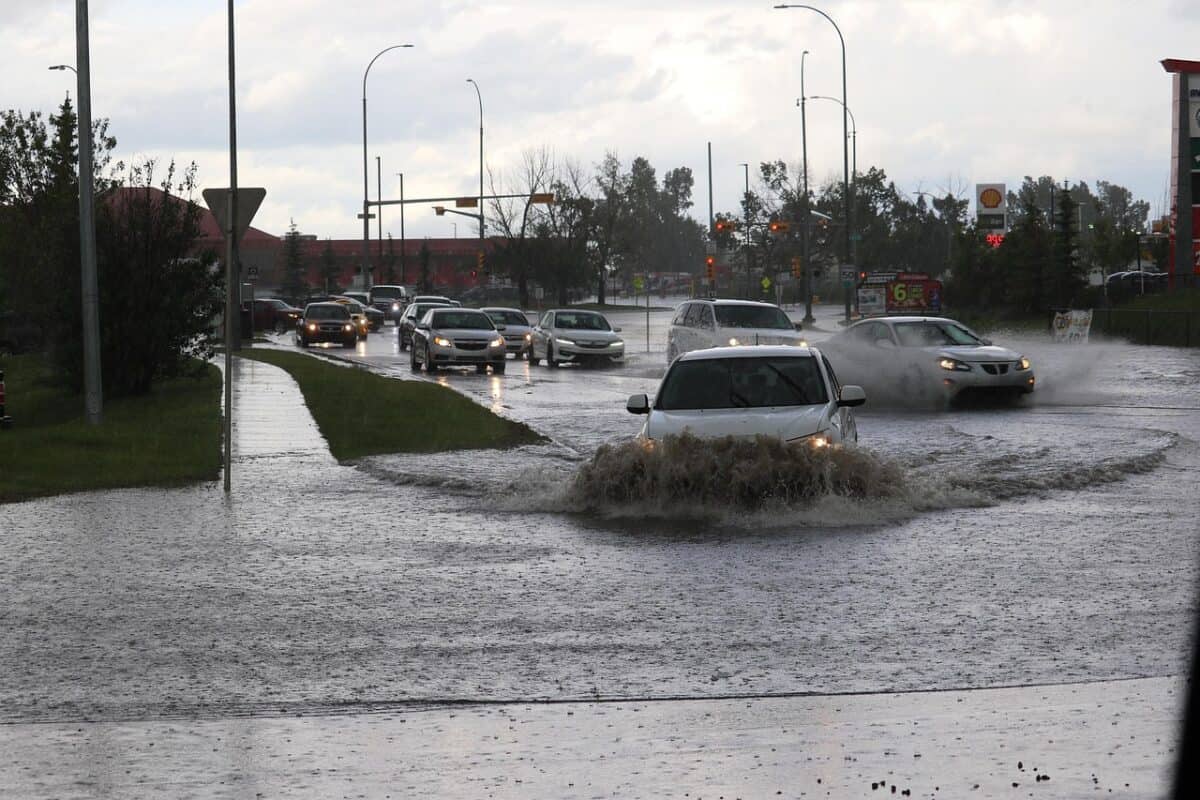
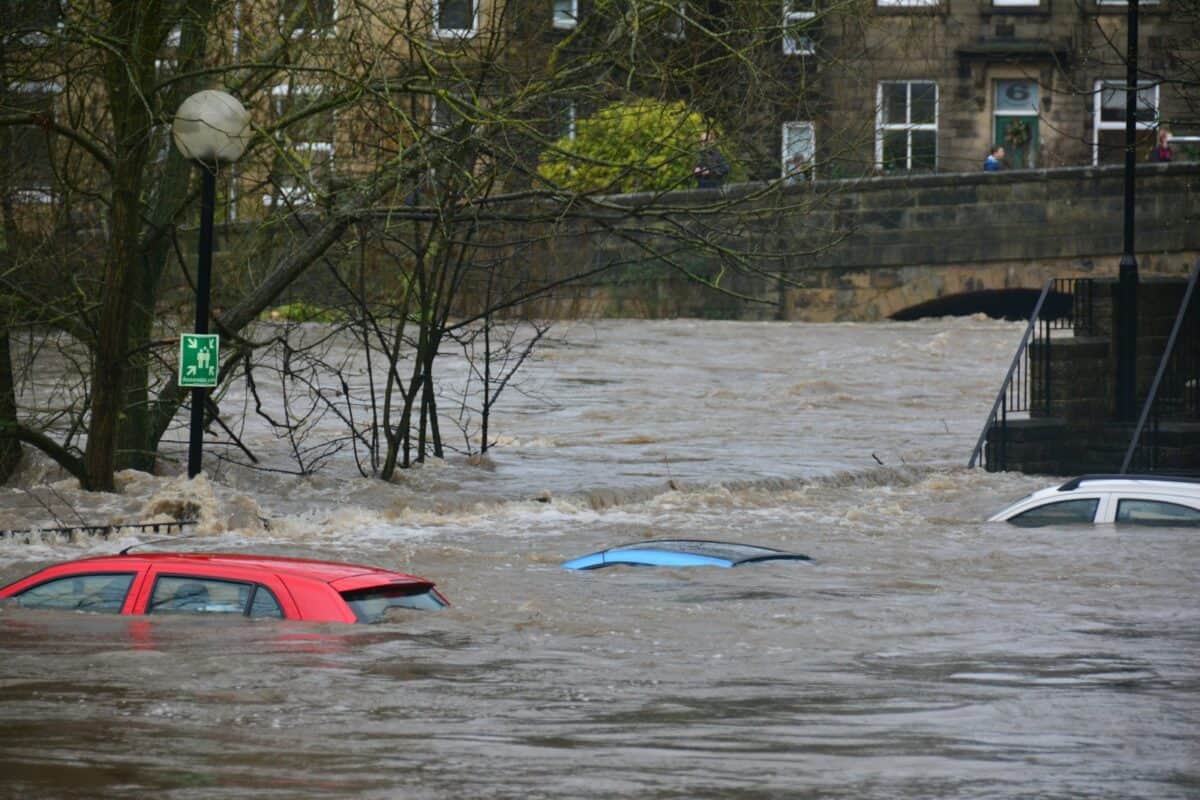
Flooding, often a result of heavy rains, hurricanes, or rising tides, is a regular and serious threat to Texas. The problem is exacerbated by urbanization, which reduces natural drainage and increases the volume of floodwaters in populated areas.
Tornado Alley
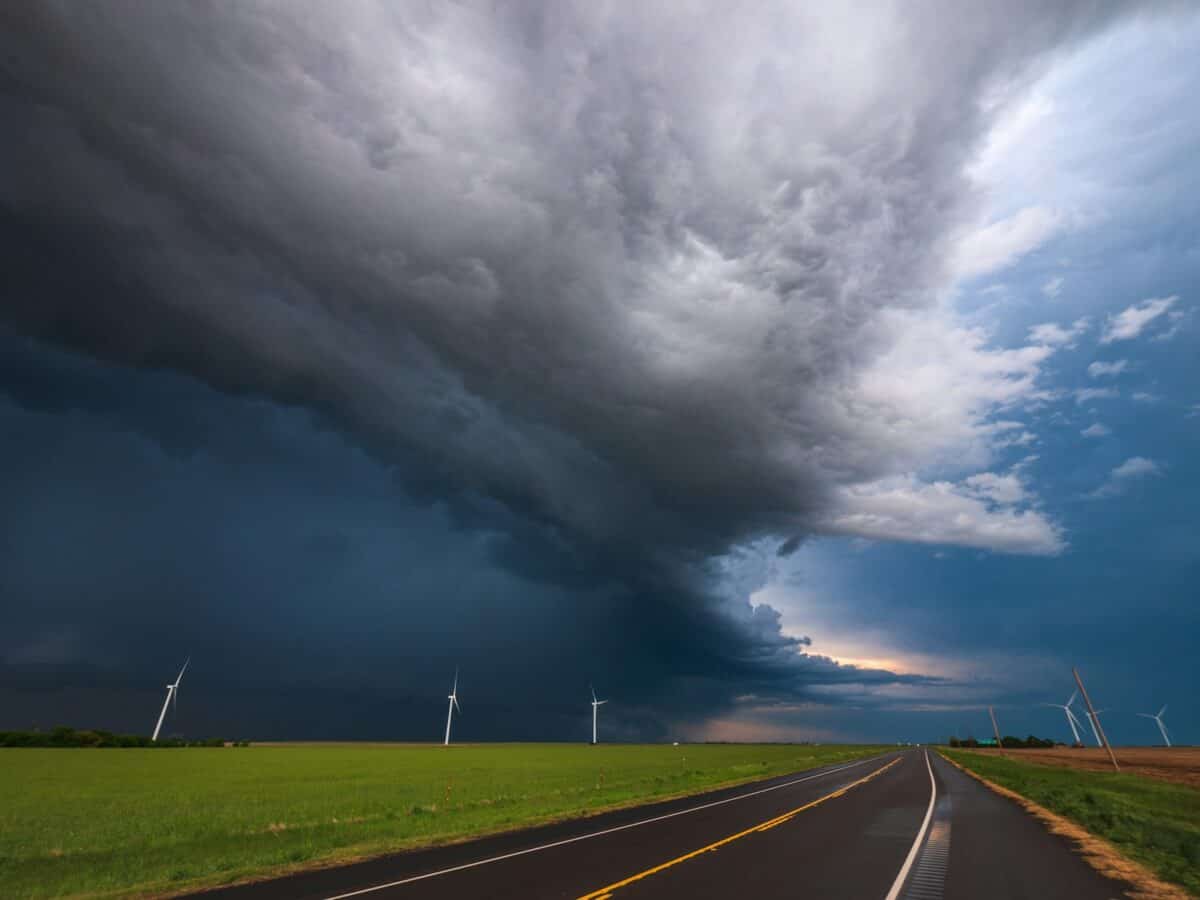
Part of Texas lies in “Tornado Alley,” a region of the central U.S. notorious for its high incidence of tornadoes. These destructive cyclones pose a significant risk to Texans, destroying homes, and infrastructure, and often leading to loss of life.
The Wildfire Season

The dry and hot conditions, especially in west Texas, create a perfect environment for wildfires. Once ignited, these fires rapidly consume large areas, affecting wildlife, destroying homes, and posing major health risks due to smoke inhalation.
Economic Impact of Disasters

The financial repercussions of these frequent natural disasters are severe. Damaged infrastructure, healthcare costs, and rebuilding efforts place a significant burden on the state’s resources. Insurance rates also soar, impacting individuals and businesses alike.
Disaster Preparedness and Response

Despite the frequency of these disasters, Texas has developed a robust system for disaster preparedness and response. State and local agencies work tirelessly to implement effective warning systems and coordinate with federal resources to manage the aftermath of disasters efficiently.
Community Resilience and Adaptation

Texans have historically demonstrated resilience in the face of adversity. Community-led initiatives and local volunteer groups play a crucial role in disaster response and recovery, providing support where governmental resources may fall short.
Innovations in Disaster Management

Technological advances are vital in improving disaster management strategies. From better predictive models to enhanced communication systems, Texas is at the forefront of employing innovative solutions to mitigate the effects of natural disasters.
While Texas’s position as the U.S. state most frequently affected by natural disasters is challenging, it also fosters a spirit of resilience and innovation. Understanding and preparing for these inevitable events is crucial. By leveraging technology, fostering community resilience, and implementing forward-thinking policies, Texas aims to protect its citizens and infrastructure better, serving as a model for disaster preparedness globally.

- 10 Creatures That Can Survive in the Harshest Places on Earth - August 19, 2025
- This Whale Sings in a Unique Pitch - August 19, 2025
- 10 Ways Dogs Know Their Owners Are Sick Before Doctors Do - August 19, 2025