

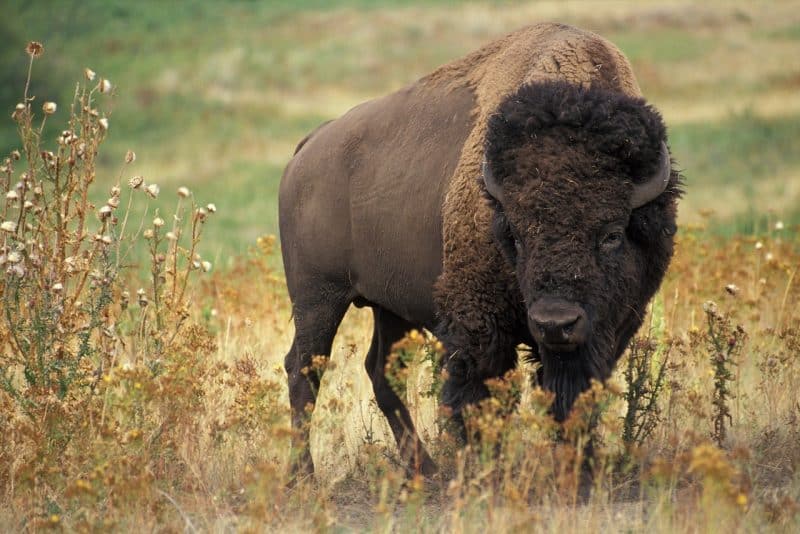
The American Bison often referred to as the buffalo, is a symbol of strength, resilience and grandeur. While these creatures once roamed North America in the millions, today unfortunately their populations have dwindled. The ecological impact of their presence has become increasingly relevant.
Among these, one buffalo holds the title for being the largest ever recorded. Join us on a journey to discover the secrets behind this creature, its significance and the implications of change in buffalo population’s size.
The Colossus of the Plains
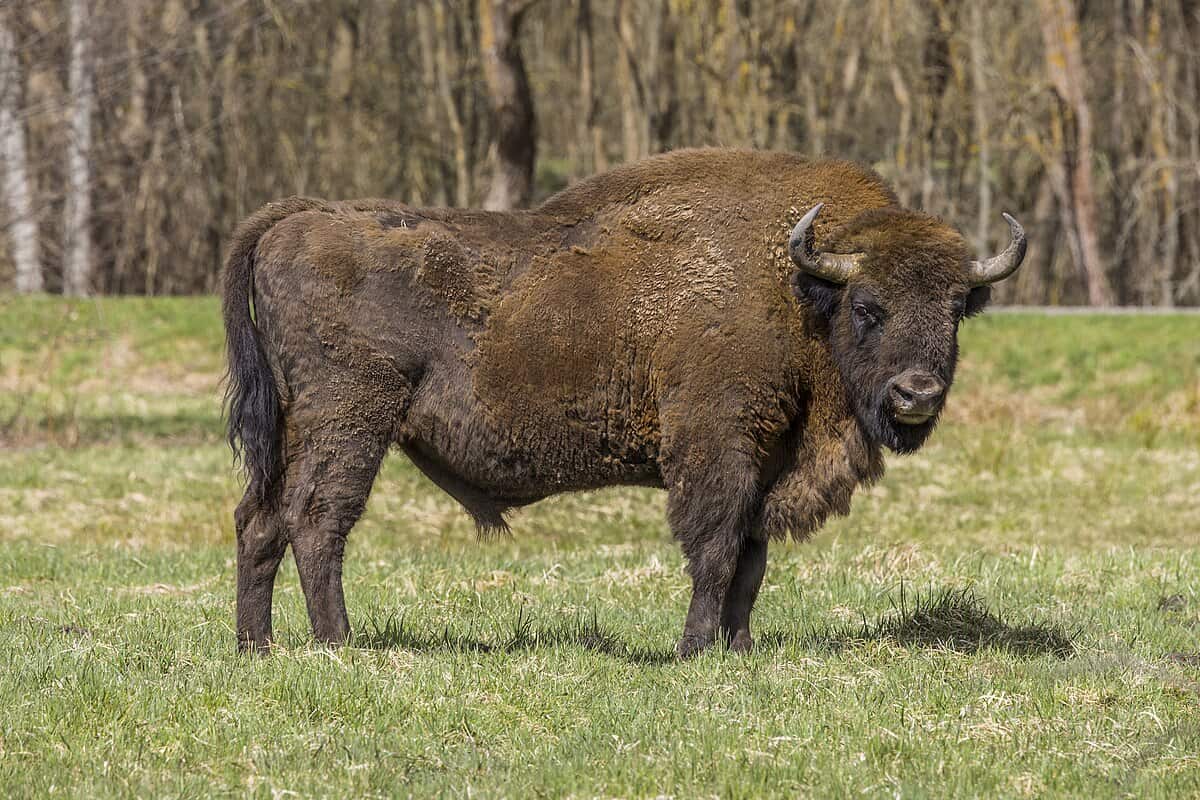
When it comes to immense sizes, nothing beats the incredible story of the largest buffalo ever recorded. This monumental specimen, named “Big Bull”, stood head and shoulders above the rest.
Hailing from the plains of North America, Big Bull was truly a colossus, weighing a mind-boggling 3,800 pounds (1,724 kilograms) and measuring 10 feet (3 meters) tall at the hump. Imagine a creature more massive than a small car, with a strength that could rival the engines of modern trucks!
Location and Background
Big Bull was not a random anomaly but a product of the pristine grasslands and the fertile ecosystems that flourished in North America. Evidently his story is intertwined with the history of the Great Plains, where buffalo once roamed in countless herds – their presence reshaping the landscape.
Physical Characteristics and Behavior
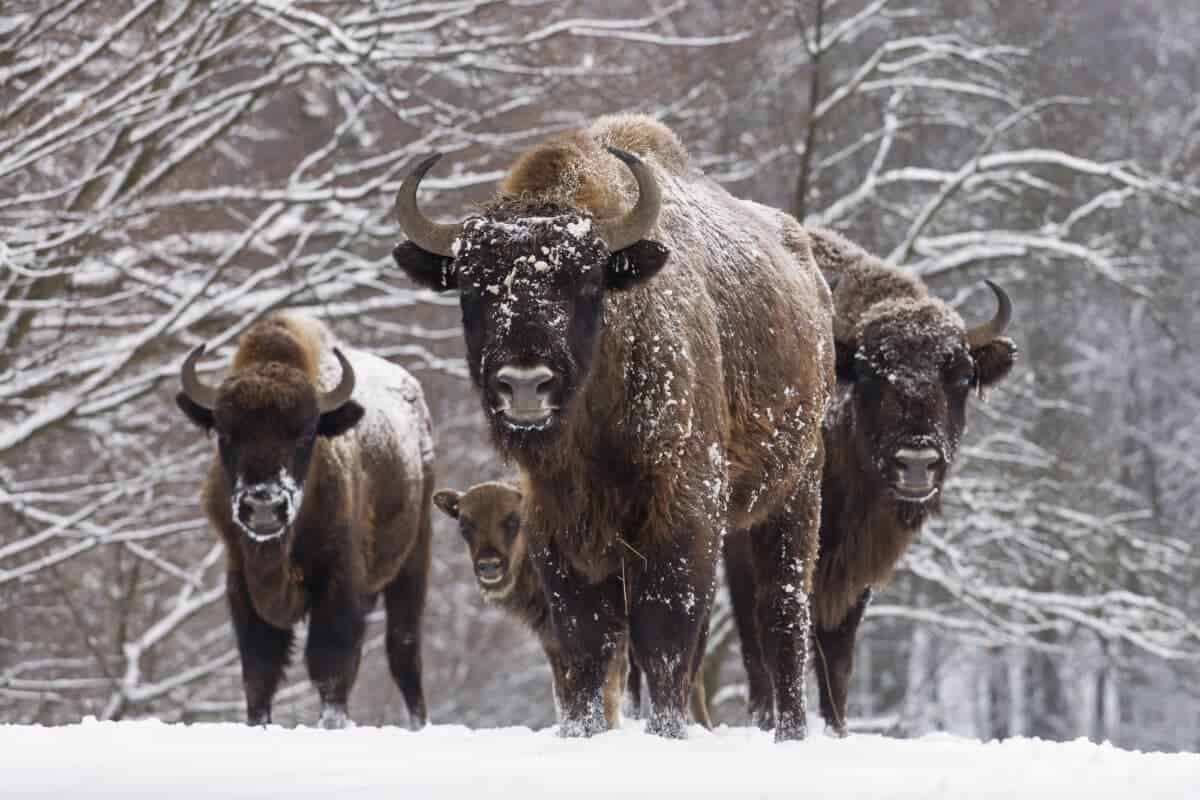
Big Bull’s stature wasn’t his only noteworthy quality. He had a long, shaggy brown coat, massive curved horns and deep-set eyes. His actions demonstrated his dominance; he was the real herd leader. The habits of a bison, such as grazing on grasses, sulking in dust to control body temperature and upholding social hierarchies within the herd, were all exhibited by Big Bull.
Significance in the Natural World
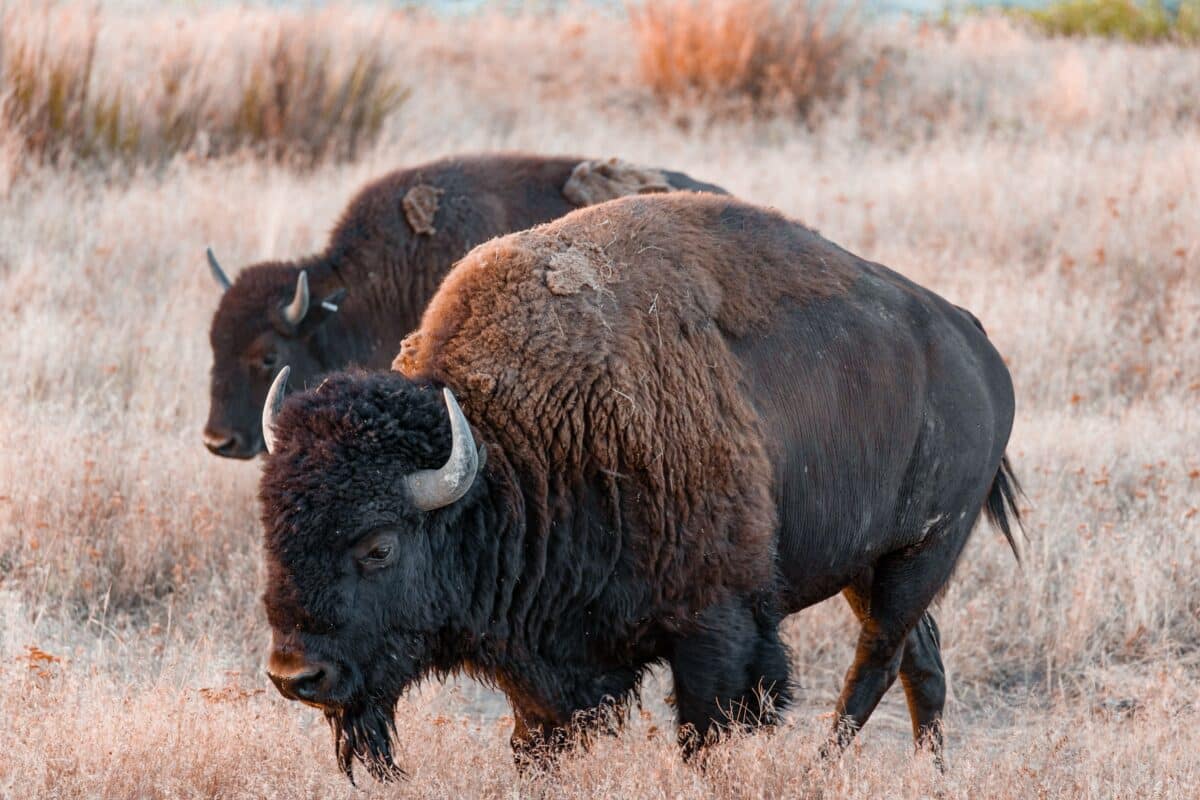
Firstly the size of Big Bull had an ecological impact. Evidently as the herd’s dominant bull, he was essential to preserving the group’s integrity. The vitality of his offspring were influenced by his genes. For buffalo populations to remain genetically diverse and survive into the future, large bulls like Big Bull were essential.
Implication of Great Size
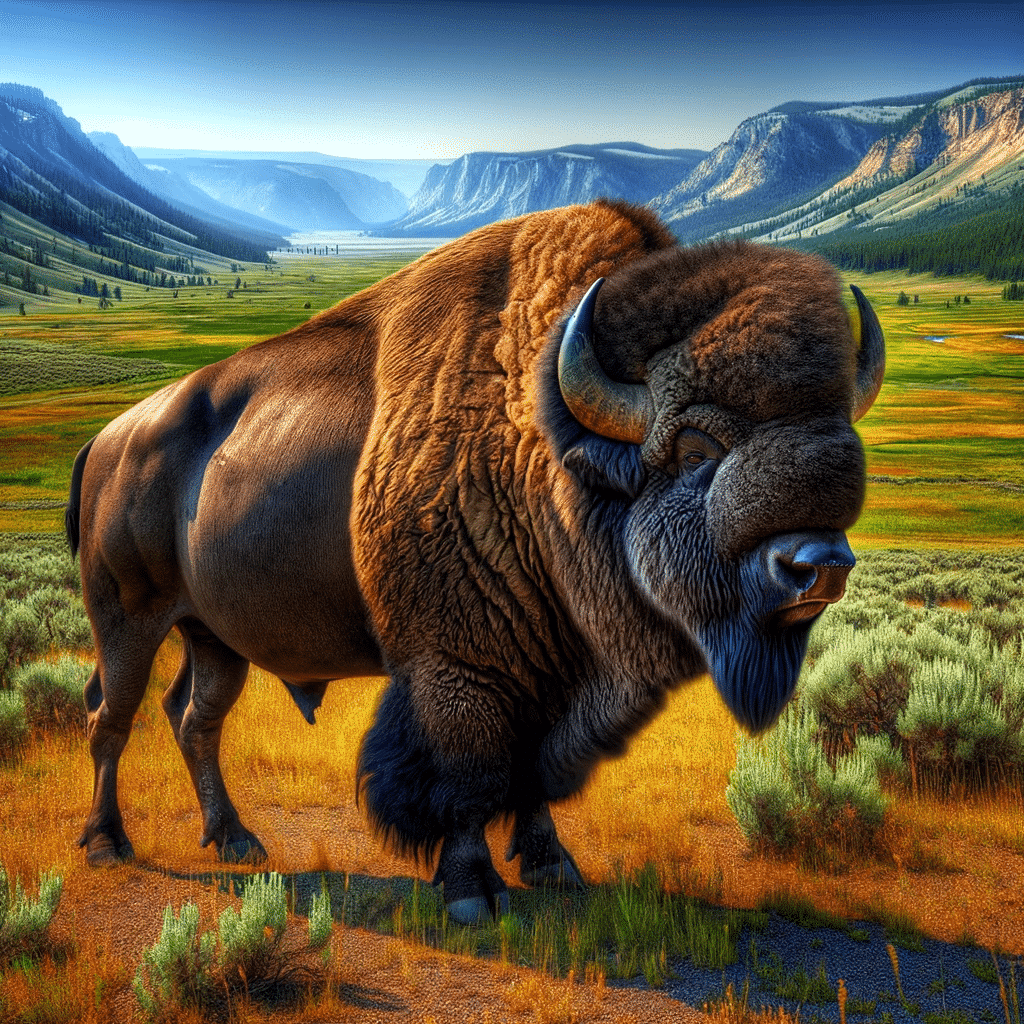
The Great Plains ecosystems were significantly impacted by Big Bull’s size. His movements and grazing patterns impacted plant species distribution, which in turn shaped many other animals’ habitats. Generally, due to the buffalo’s wallowing habits, little depressions were formed that gathered water and benefited a variety of plant and animal species.
Impact of Climate Change on Buffalo Populations
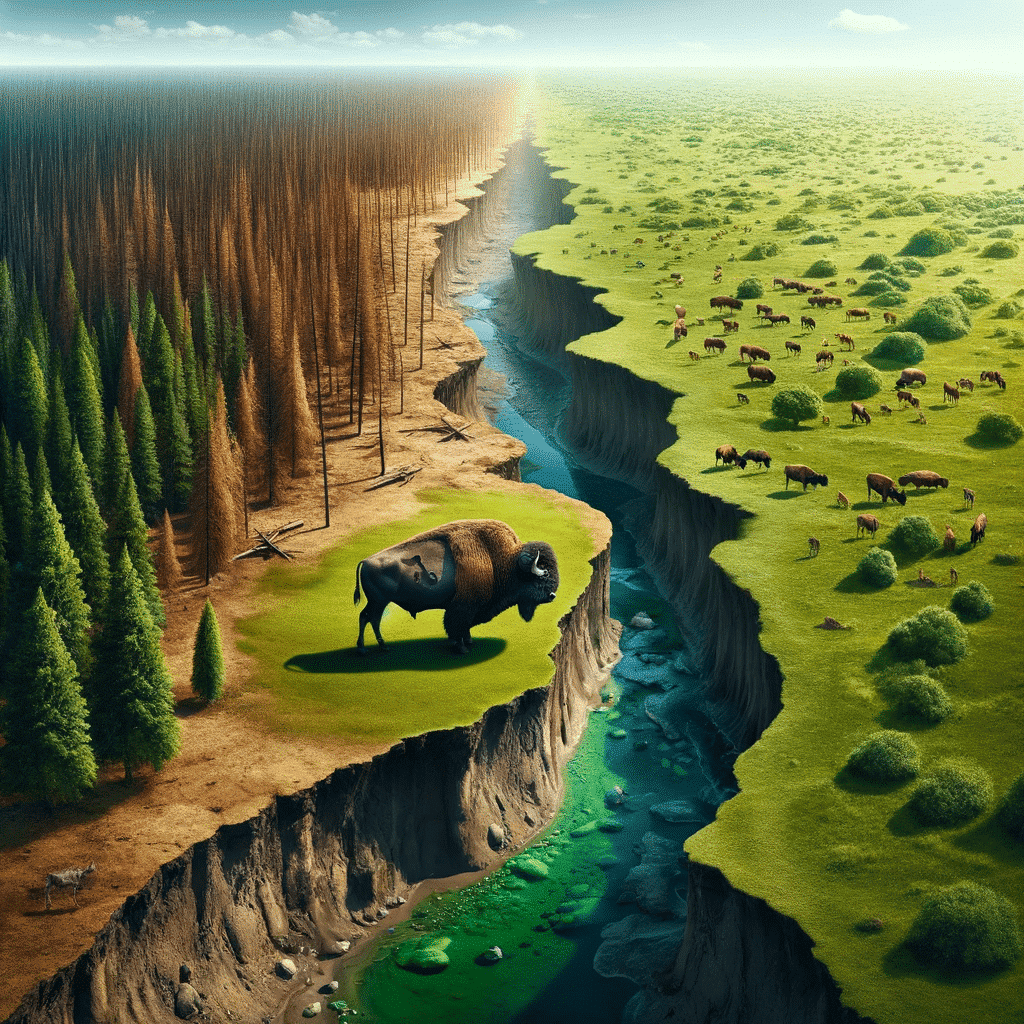
Without taking into account the impending threat posed by climate change, the sotry of Big Bull and the buffalo populations would fall short. Increasing temperatures and changing weather patterns are making grass, the main food source for buffalo, less accessible. Buffalo must adapt and migrate in search of food as grasslands shrink and dry out as a result of climate change. Their populations may suffer greatly as a result of this interruption to their regular grazing patterns.
Wrapping Up with the Biggest Buffalo Ever Recorded
The story of nature is told through Big Bull, the largest buffalo ever documented. Evidently his enormous stature, power, and importance to the buffalo population underscore the complex relationships that exist. But the future of buffalo populations is threatened by climate change, so it is important to preserve their habitats.
Thank you for following along with this article –

For any feedback please message Feedback@animalsaroundtheglobe.com
- WATCH The Largest Cane Corso Ever Recorded - July 20, 2026
- Top 10 States With The Most Black Bear - July 20, 2026
- Largest Rhino Ever Recorded - July 20, 2026