

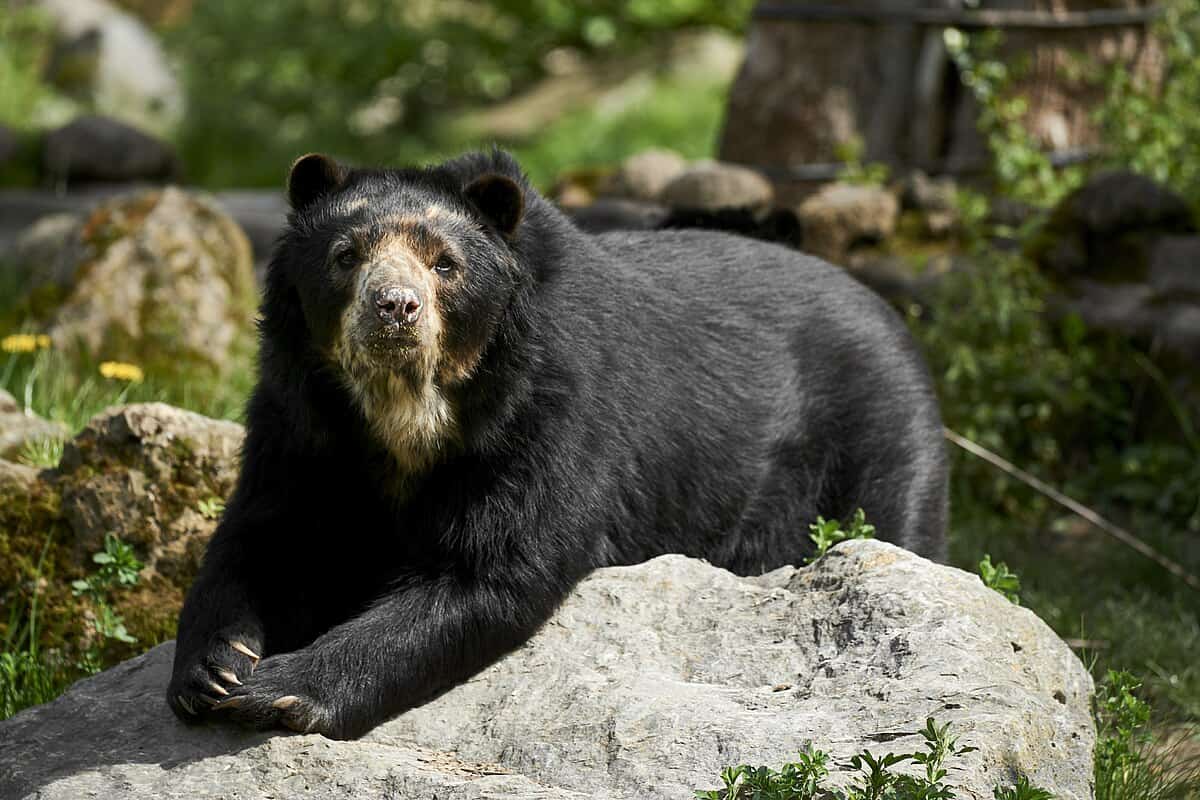
With over 5,500 species of mammals on the planet, they are worth exploring! From the massive blue whale to a tiny mouse, mammals are found in all habitats and play vital roles in the ecosystems they find themselves in. So, let’s get into more about these vertebrates and their intriguing diversity.
Introducing Mammals
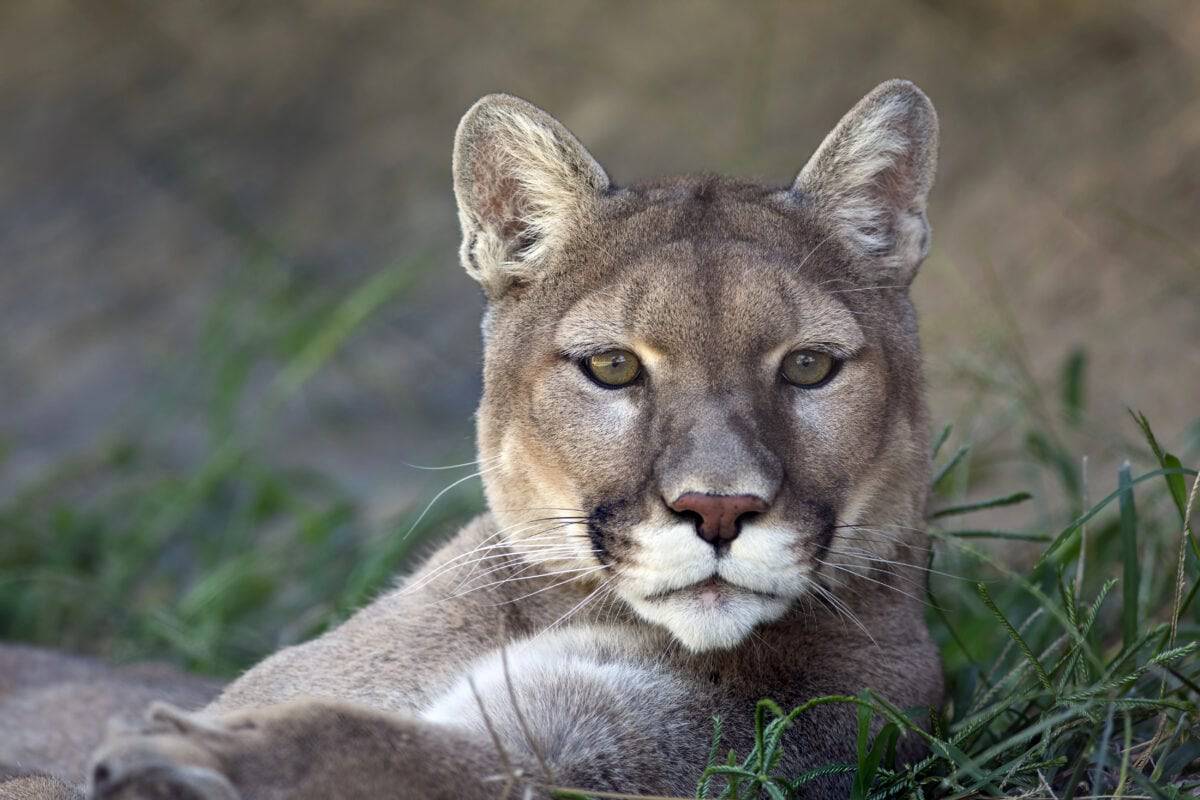
Even though most of us can identify a mammal when we see it (it might be instinct, I don’t know!), I thought it might be a good idea to mention some of their identifying characteristics.
All mammal species are warm-blooded and have spines and four limbs. Female mammals have mammary glands that produce milk to feed their young, who are born alive. Except for platypus and echidnas. Mammals are also characterized by their coats comprised of fur or hair and four-chambered hearts. You might be able to identify some interesting mammals with this information!
How do mammals reproduce?
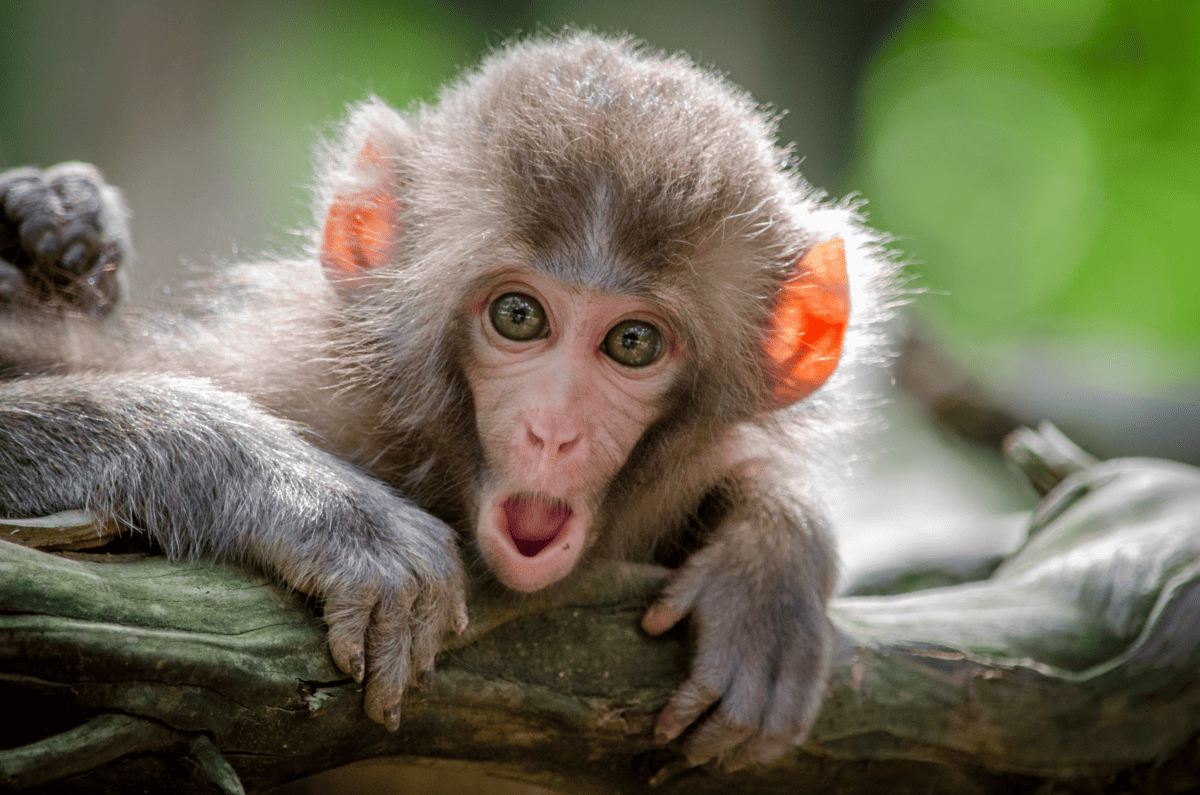
Mammals reproduce sexually, meaning that the female in heat gets fertilized by the male. Once the sperm reaches the eggs and fertilization occurs, the gestation period starts. Gestation lasts various lengths between species – for hamsters about 2 weeks and for elephants about 22 months! After which the live offspring is born, and cared for by the mother and her milk. These animals are classified as viviparous.
But as always, there are some exceptions. Marsupials give birth to immature young that are carried in their mother’s pouch to develop further. And some mammals even lay eggs! Like the platypus. Yet, they still care for their young and provide them with milk and nutrients.
Where do mammals live?
With over 5000 mammal species, it is no surprise that they live all over the planet in many different habitats! The majority of mammal species live on land, where they inhabit forests, open plains, grasslands, savannahs, icy regions, mountains, and almost every other habitat you can think of! Other land mammals are arboreal, meaning that they spend most of their time and perform most of their activities in trees.
Of course, you also get the mammals that live in freshwater habitats, such as otters. And the ones that live in the ocean like dolphins and whales. In other words, mammals can be found everywhere!
Types of Mammals
Primates
The mammals considered as primates are distinguished by their ability to grasp with their hands and feet – some species even have opposable thumbs. These human lookalikes have larger brains than other mammals and many species even use tools in their day-to-day activities! Click on any of the article links below to learn more about primates.
-
This Monkey Has a Mustache
-

Tarsiers: The Tiny Primates with Giant Eyes
-
10 Animals That Researchers Confirmed Can Recognize Themselves in a Mirror – and the One Near the Bottom of the List That Rewrote the Criteria Entirely.
-
Discover The World Of Gibbons
-
Why Japanese Macaques Love Hot Springs
-
8 US States With the Most Wolverines
Bears
These shaggy-haired robust mammals can be found around the world in various habitats. Considering their strong bodies, sharp teeth, and apt hunting abilities, it is no wonder bears are considered apex predators. Have a look at some of the articles below to learn more about bears, or head over to our category page for more information.
-

14 Mistakes People Make When Camping in Bear Country
-
7 Reasons Black Bears Are Returning to Missouri
-
What to Do If You Encounter a Bear (And What NOT to Do)
-

How Koalas Survive on a Diet of Toxic (To Humans) Eucalyptus Leaves
-

15 Bear Survival Skills You Need to Know
-

Baby Koalas Hug Their Moms for Safety and Comfort
Rodents
Rodents are small to medium-sized mammals characterized by their hairy bodies and quick movements. From the loved pet hamster to the pesky street rat, all these mammals have sharp teeth and the ability to gnaw relentlessly. Have a look at our rodents category page or any of the articles below if you would like to learn more.
-
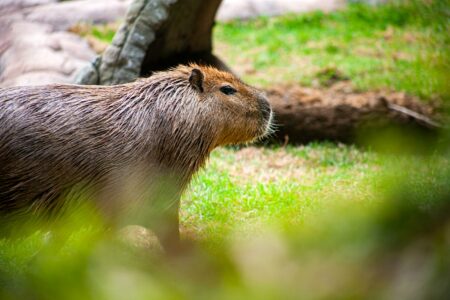
Why Capybaras Are Known as the “Ultimate Peacekeepers” in the Animal World
-
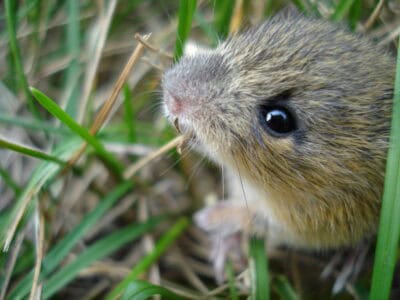
This Tiny Mammal Can Slow Its Heartbeat to One Beat Per Minute
-

Top Places to See Beavers at Work in the Wild
-
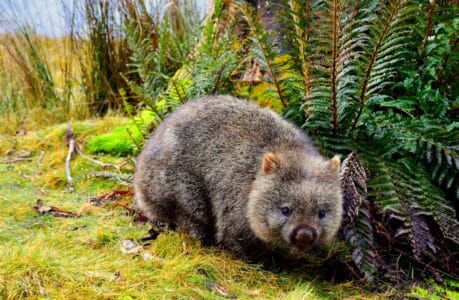
How Wombats Defend Their Burrows With Rock-Hard Backsides
-

What Makes Capybaras So Social—and So Relaxed
-

A New Rodent Species Found in Appalachian Mountains
Big Cats
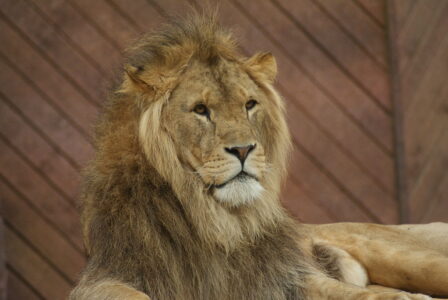
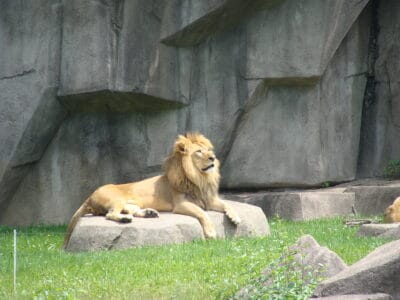
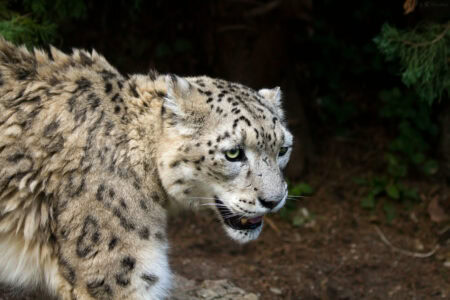
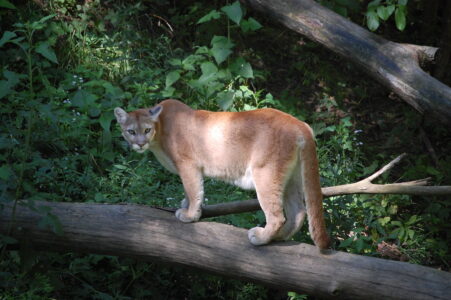
The strong, agile apex predators belonging to this group share many physical and behavioral characteristics. However, did you know that not all of the big cat species can roar? Only the Lion, Tiger, Jaguar, and Leopard can. Learn more about these majestic creatures on our category page or click on any of the articles below!


American Bison
These large, surprisingly fast mammals are Native to the United States. But did you know that they are also the National Mammal of the US? Learn more about these animals and their significance to American culture on our dedicated Bison page!
-
Friends Show Very Different Reactions to Approaching Bison Herd
-
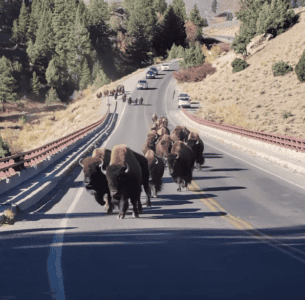
Watch Couple Stampeded by Herd Of Bison
-
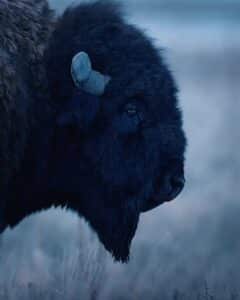
Photographer Captures Rare Moment of Bison Crying on Video
-

Bison Runs Tourists Off Road In Yellowstone
-

3 Bison on the Loose from Connecticut Ranch – Found
-

How Bison Could Be the Natural Solution to Wildfire Management
Mammal Comparison
| Common Name | Scientific Name | Size | Reproduction |
| Blue Whale | Balaenoptera musculus | 90 – 110 feet 45 – 150 tonnes | 10 – 12 month gestation and live birth |
| Platypus | Ornithorhynchus anatinus | 17 – 20 inches2 – 5.5 pounds | They lay eggs which are incubated for 10 days |
| Bumblebee Bat | Craseonycteris thonglongyai | 1.1 – 1.3 inches0.071 ounces | Births one live young per year |
| Pangolin | Pholidota spp. | 12 inches – 4 feet4.4 – 40 pounds | 70 – 140 day gestation and live birth |
| Kangaroo | Macropodidae spp. | 3 – 8 feet40 – 200 pounds | 28 – 36 days gestation, immature young born alive and develop further in the mother’s pouch |
Mammal FAQs
Mammals’ diets vary depending on the species. Many mammals, like lions, tigers, and bears are carnivorous predators that feed on other animals. Some mammals are omnivores that eat both meat and plants. While others, like elephants and kangaroos, are herbivores, eating a plant-based diet.
Humans have a longstanding relationship with mammals. Their meat serves as a source of protein to humans, and their skin is reworked into clothing and other products. Domesticated mammals also help humans with farm work and transportation, all while providing loving companionship.
Although there are many mammal species, most share the same characteristics. Such as being warm-blooded, having a more complex brain than other animals, (mostly) giving birth to live young, nursing newborns with their mother’s milk, and having hair or fur coats.
Many mammal species walk, gallop, and run on all fours, others mostly move by swinging from tree to tree. Some mammals, like kangaroos, hop, and others, like bats, fly. There are squirrels that can glide and of course, whales and dolphins that move by swimming.
This would be the Etruscan shrew, also known as the white-toothed pygmy shrew or the Etruscan pygmy shrew. These tiny, slender-bodied mammals grow between 1.2 and 2 inches long, and only weigh 0.063 ounces!
Newest Category: Mammals

Please send any feedback to feedback@animalsaroundtheglobe.com
- These Are The Most Endangered Animals on our Planet - August 10, 2026
- Interesting & Unusual Animal Defense Mechanisms - August 10, 2026
- The Stray Dog Who Became The Most Decorated Animal in US Military History - August 10, 2026